-
Environmental Defenders Under Attack: Second Goldman Prize Winner Killed in Less Than a Year
›
Despite recent press coverage about the violence against international environmental defenders, another prominent figure has been murdered in cold blood.
-
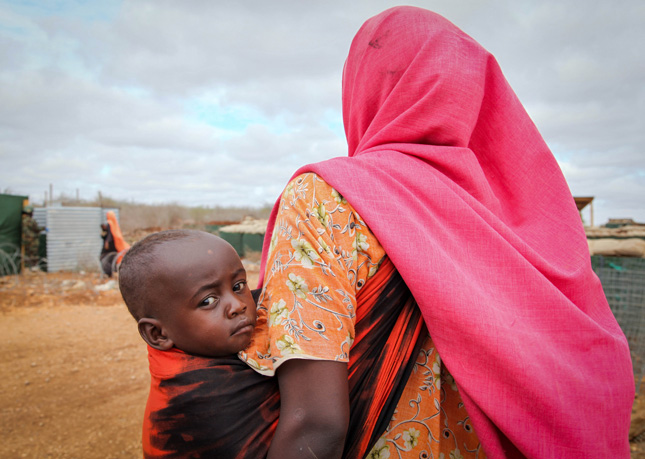
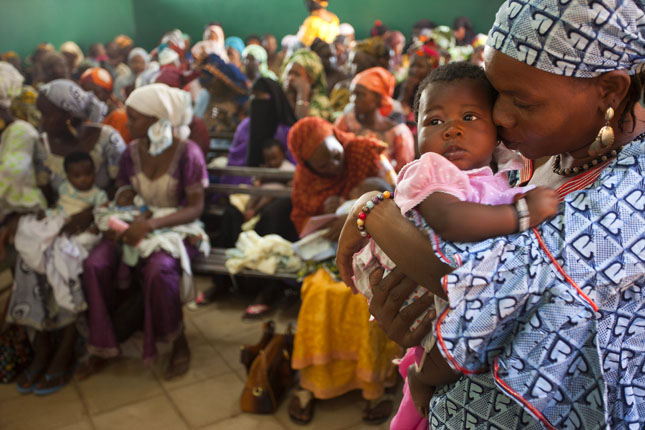
No Mother Left Behind: How Conflict Exacerbates the Global Maternal Health Challenge
›
Since the end of World War II, the number of wars between states has declined significantly, but the number of intrastate civil conflicts – as seen in Syria and Afghanistan – has increased.
-
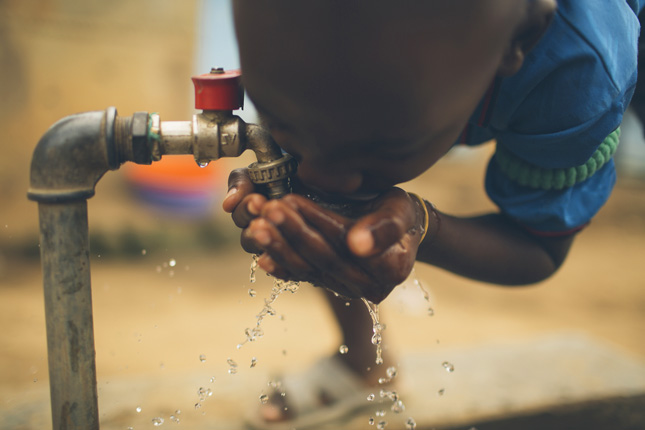
5 Focal Points for U.S. Global Water Strategy (And Submit Your Own Too)
›November 3, 2016 // By Ken ConcaHave something to say about the U.S. government’s approach to water around the world? Here’s your chance. The Department of State has issued a public call for comment on its global water strategy. An open session was held in Washington last Friday, but written comments can be submitted until November 12.
For inspiration, here are points made by our own (and American University’s own) Ken Conca, edited for space:
-
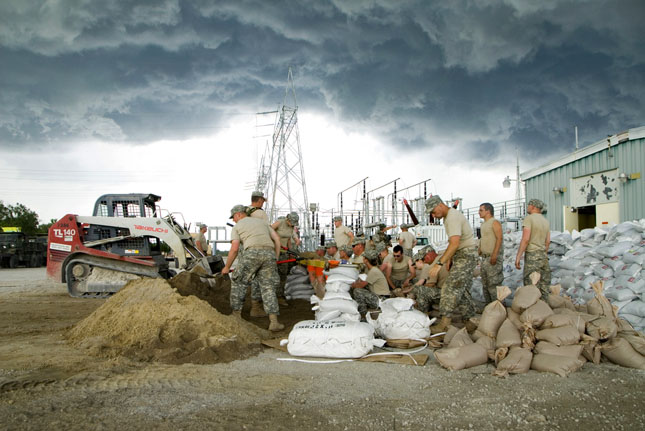
White House Announces Steps to Address Climate and National Security Alongside New Intelligence Assessment
›Yesterday afternoon President Obama announced a new Presidential Memorandum on climate change and national security. The policy directs 20 federal agencies to consider the national security implications of climate change and establish a working group that will develop a Climate Change and National Security Action Plan for the federal government.
-
What Next? Climate Mitigation After Paris
›The Paris Climate Agreement sets forth a bold goal to reduce greenhouse gas emissions, keep global temperature rise below 2.0 degrees Celsius, and employ best efforts toward no more than 1.5 degrees of warming. It also sets forth a new set of rules to achieve these goals. [Video Below]
-
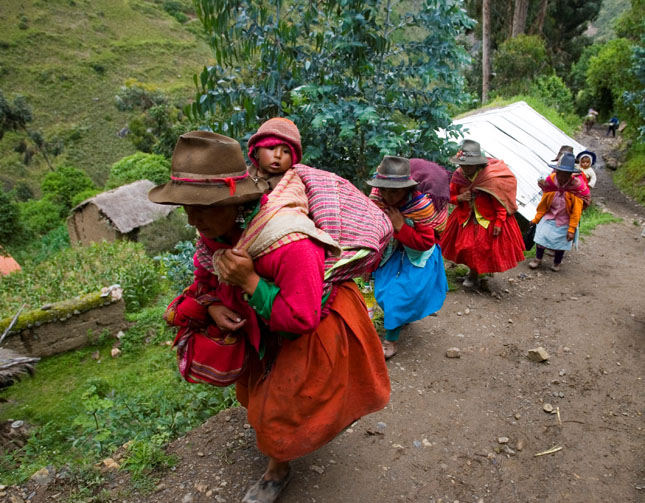
Hunger in Shangri-La: Causes and Consequences of Food Insecurity in the World’s Mountains
›Over the past decade, the number of undernourished people around the world has declined by around 167 million, to just under 800 million people. However, this positive trend glosses over a stark reality: Food insecurity is increasing in the world’s mountains. This pattern has been under-recognized by development experts and governments, a dangerous oversight with far-reaching social and environmental repercussions.
-
The Case for a Caribbean Carbon Market
›In an effort to scale-up climate change mitigation, the largest private sector engagement in the history of the United Nations was drafted to fund clean technology projects in developing countries. Carbon credits were to offset pollution in developed nations and pay for clean energy projects in developing countries. But many developed countries, including the United States, spurned the agreement, preferring to manage greenhouse gas emissions internally and build or retrofit infrastructure in ways that directly benefited their economies. The ambitions of the Kyoto Protocol, which went into effect in 2005, were subsequently stranded and then scrapped.
-
After Mexico City and Before Copenhagen: Keeping Our Promise to Mothers and Newborns
›Last October, on the heels of the UN General Assembly agreeing to the Sustainable Development Goals, the global health community met in Mexico City to discuss strategy for achieving the “grand convergence”: finally bridging the gap between maternal and newborn health in rich and poor countries. [Video Below]
Showing posts from category Mexico.