-
Reaching the Farthest Behind: Maternal Health Innovations at the Facility Level
›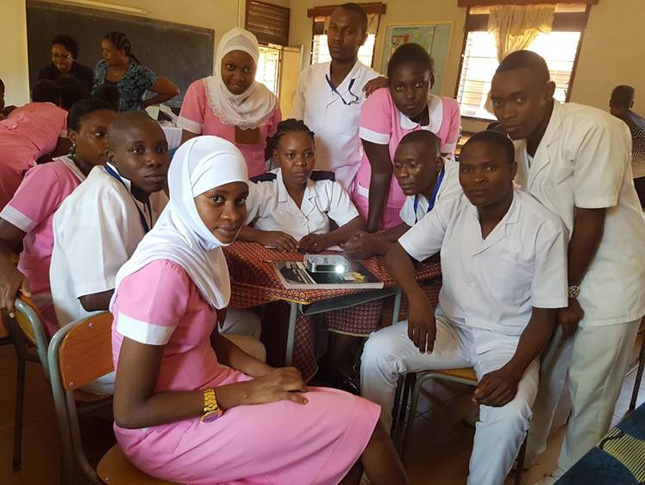
“Innovation happens when there are pioneers that stick with it,” said Monica Kerrigan, vice president of innovations at Jhpiego. “How can we—each one of us—be part of the change process?” Innovations will be essential to meeting Sustainable Development Goal #3, which is to reduce the global maternal mortality ratio to below 70 deaths per 100,000 live births. Experts from the United Nations Population Fund (UNFPA), Jhpiego, Jacaranda Health, and Total Impact Capital came together at the Wilson Center on September 14th to discuss how maternal health clinics and other facilities can be drivers of innovation.
-
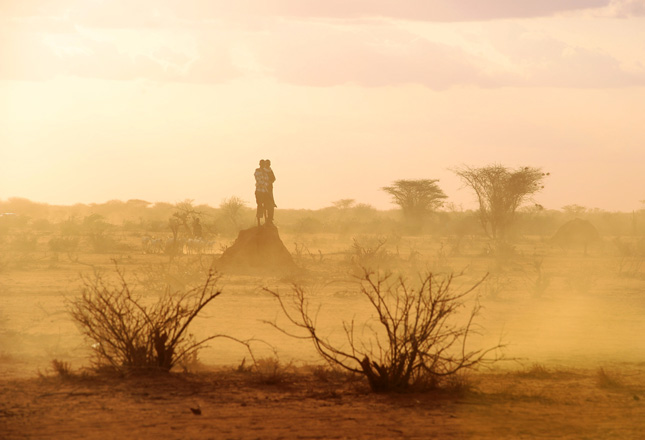
Food Violence Shows Need for Both Development and Climate Resilience
›
In March, the Trump Administration released a new budget proposal that would cut funding to the Department of State and U.S. Agency for International Development by 28 percent. The proposal also reduces funding to the United Nations for ongoing climate change efforts. At the same time, the White House is publicly considered withdrawing from the Paris Climate Accords, with a final decision anticipated any day. Critics both outside the administration and within have pointed to the drawbacks of these moves, but the sum of the policy changes could have an even greater impact than the individual parts.
-
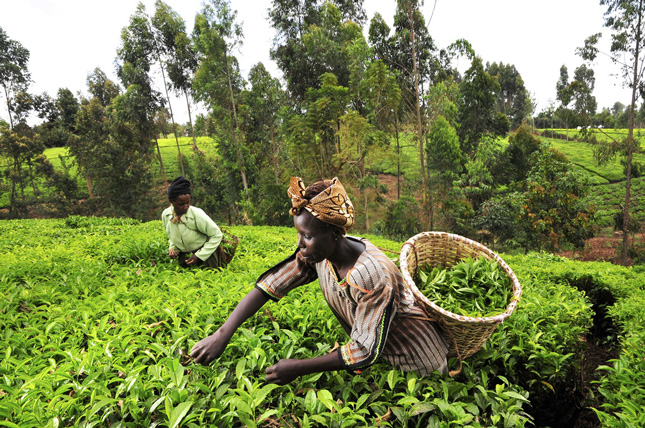
Backdraft #7: Janani Vivekananda on What Renewable Energy Projects Can Learn From Oil, and Future-Proofing Humanitarian Responses
›As more and more development and humanitarian programs contend with climate-related problems, there are important lessons learned from past experience that should not be forgotten, says Janani Vivekananda, formerly of International Alert and now with adelphi, in this week’s episode of “Backdraft.” -
A Better Model for Future Society, and Analyzing Communal Climate Conflict
›Forecasts of future climate conditions are fairly good, but forecasts of future socioeconomic conditions are another story. To get a sense of how climate change will impact society, many resort to simply layering future climate conditions on top of current socioeconomic conditions. That’s a mistake, write Wolfgang Lutz and Raya Muttarak in Nature Climate Change. “We see little value in the purely hypothetical exercise of assessing potential impacts of the future climate on a society that will not exist in the future.” -
Richard Choularton on 3 Steps to Avert the Famines We See Coming
›There has been great progress in anticipating famines in recent years, with most predicted six or more months ahead of time, says Richard Choularton, senior associate for food security and climate change at Tetra Tech, in this week’s podcast. But action to address their humanitarian impacts has lagged. Responses need to be more consistent and faster, he says, happening “almost without human intervention.” -
Insights on Ending Famine and Creating Food Security in a Changing World
›The effects of climate change combined with breakdowns in governance are leading to food insecurity “on a scale that we’ve rarely seen,” said Alex de Sherbinin, associate director of Columbia University’s Center for International Earth Science Information Network, at the Wilson Center on January 26.
-
Backdraft Revisited: The Conflict Potential of Climate Change Adaptation and Mitigation
›Whether or not we respond to climate change – and the security implications of that decision – is a major public policy question. But increasingly experts are paying closer attention to how we respond.
-
State of the World Population 2016, and Fostering Development Through Family Planning
›The United Nations Population Fund’s 2016 State of the World Population report calls for investment in a very specific demographic: 10-year-old girls. At age 10, young girls are at a “pivotal” stage in their lives, the report says. They face a world of limitless possibilities, yet far too many end up thwarted in their ambitions by sexual violence, forced marriage, female genital mutilation, child labor, and other “systematic disadvantages.”
Showing posts from category Kenya.
 As more and more development and humanitarian programs contend with climate-related problems, there are important lessons learned from past experience that should not be forgotten, says Janani Vivekananda, formerly of International Alert and now with adelphi, in this week’s episode of “
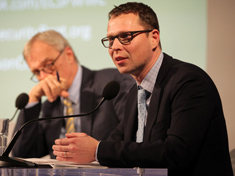 There has been great progress in anticipating famines in recent years, with most predicted six or more months ahead of time, says Richard Choularton, senior associate for food security and climate change at Tetra Tech, in this week’s podcast. But action to address their humanitarian impacts has lagged. Responses need to be more consistent and faster, he says, happening “almost without human intervention.”