-
India’s Thirst for Palm Oil, New South-South Trade Patterns Cast Doubt on Sustainability Initiatives
›
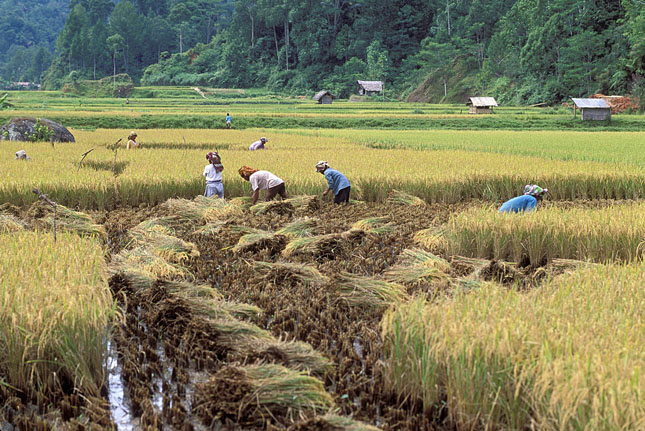
Patterns of trade and consumption in the global food system are shifting. In the past, most trade in agricultural commodities occurred between developed and developing countries. But, in recent years, the volume of South-to-South trade has increased significantly. Today, some of the most problematic crops in terms of their effect on the environment, such as soy and palm oil, are predominantly traded amongst developing and fast-rising countries.
-
Adapting to Climate Change in Cities May Require a Major Rethink
›
Around the world, urbanization and climate change are transforming societies and environments, and the stakes could not be higher for the poor and marginalized. The 2015 UN climate conference in Paris (COP-21) highlighted the need for coordinated action to address the profound injustice of the world’s most disadvantaged people bearing the greatest costs of climate impacts. Among those at the COP were mayors from around the world advocating for the important role of cities in these efforts.
-
New Research Reveals Climate-Food-Conflict Connection Via Nighttime Temperatures
›The effect of climate change on the emergence of violent conflict has become one of the more lively academic debates and is even bleeding over into the mainstream. Despite a substantial number of studies, results are contradictory and somewhat inconclusive.
-
Lisa Palmer, Yale Environment 360
Will Indonesian Fires Spark Reform of Rogue Forest Sector?
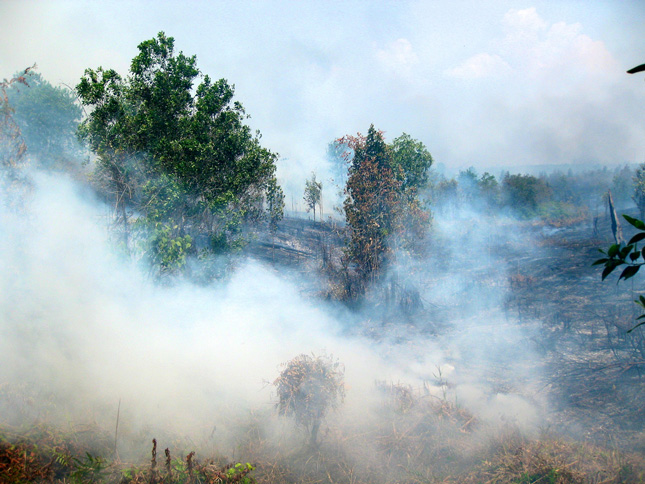
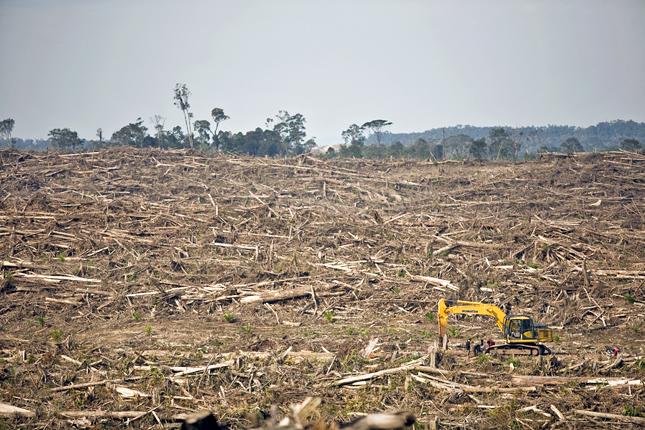
›November 11, 2015 // By Wilson Center StaffThe fires that blazed in Indonesia’s rainforests in 1982 and 1983 came as a shock. The logging industry had embarked on a decades-long pillaging of the country’s woodlands, opening up the canopy and drying out the carbon-rich peat soils. Preceded by an unusually long El Niño-related dry season, the forest fires lasted for months, sending vast clouds of smoke across Southeast Asia.
-
Migratory Labor for Extractive Industries Creating “Sons of Soil” Conflict in China
›In May 2011, two weeks before I was scheduled to start research in the region, a Mongol herder named Mergen was hit by a mining truck while protecting his pastureland in Xilingol, Inner Mongolia. He was dragged 140 feet and killed. His death sparked a month of protests.
-
Jim Jarvie, SciDevNet
Urban Resilience to Climate Change in Asia Critical as Strong El Niño Looms
›September 7, 2015 // By Wilson Center StaffAn advisory released this August by the U.S. National Weather Service warned this year’s El Niño could be among the strongest ever recorded, lasting well into the first few months of 2016.
-
Crossing Borders and Defying Policing, Abuses of Thailand’s Fishing Industry Challenge International System
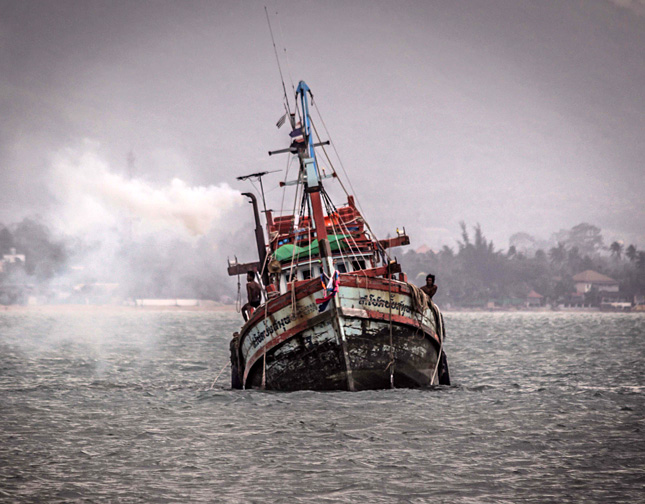
›August 18, 2015 // By Linnea BennettSomewhere off the coast of Thailand, “ghost ships” bump and crash along the choppy waves scrapping the sea floor with nets that spare nothing. Pulling up these illegal hauls in shifts that sometimes last 20 hours are thousands of migrant fishermen, many of whom have been forced into indentured servitude or kidnapped. Far from shore on unregistered boats, they have little hope of escape and face daily abuse and squalid conditions. More recently, some captains have turned to trafficking Rohingya fleeing persecution in Myanmar, pressing some into service, extorting others, and taking sex slaves.
-
“People Need Nature to Thrive”: Recovering From Conflict Through Conservation in Timor-Leste
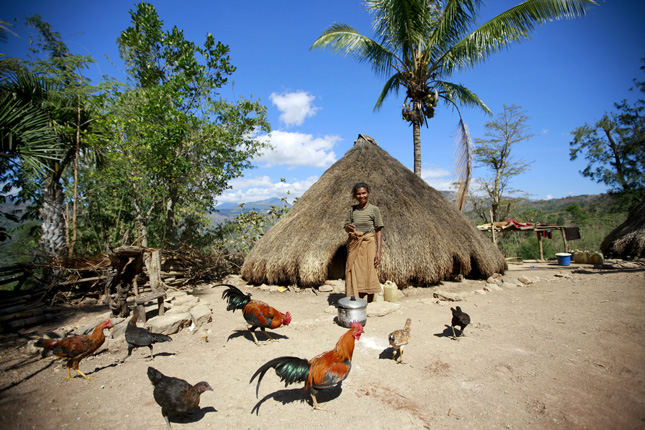
›In my tiny, half-an-island country of Timor-Leste, cemeteries smell of jasmine and come to life on All Saints’ Day. Families have picnics and kids roam wild over the tombstones. Here, stepping on somebody else’s family tombstones is not seen as an offense but as the norm; after all, since there isn’t enough land to hold so many graves, not stepping on one is impossible unless you have mastered levitation.
Showing posts from category Indonesia.