-
First Responders of Last Resort: South Asian Militaries Should Strengthen Climate Security Preparedness and Cooperation
›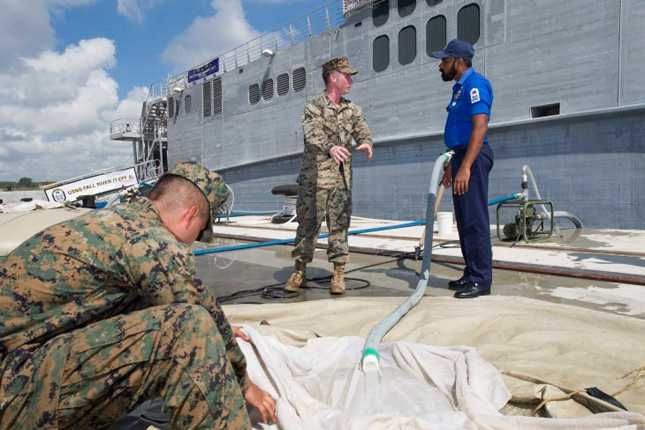
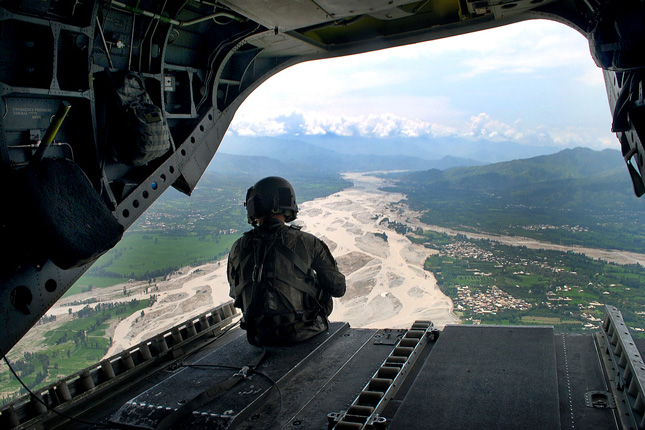
Last month, a major multinational military exercise launched in South and Southeast Asia. The Pacific Partnership is the largest annual multilateral humanitarian assistance and disaster relief preparedness mission conducted in the Indo-Asia-Pacific and aims to enhance regional coordination in areas such as medical readiness and preparedness for manmade and natural disasters. At its center is the hospital ship USNS Mercy, with an international team of civilian and military specialists seeking to build response capacity in one of the most disaster-prone regions of the world.
-
Indian Military Recognizes Environment as “Critical” Security Issue, But Response Is Still Fragmented
›
For the first time, the Joint Doctrine of the Indian Armed Forces acknowledges that the “environment has emerged as a critical area of the security paradigm,” and warns that if environmental degradation and related issues increase security risks, the military will need to respond. Released in 2017, the doctrine lists a series of non-traditional security challenges linked to the environment that could influence conflict and war, including “climate change, ecosystem disruption, energy issues, population issues, food-related problems, economic issues of unsustainable modes of production, and civil strife related to environment.” While the military has taken steps to address its impacts on the environment, it can do much more to support the nation’s environmental goals and mitigate environment-related security risks.
-
Dealing with Disasters: Invest in Communities to Realize Resilience Dividends
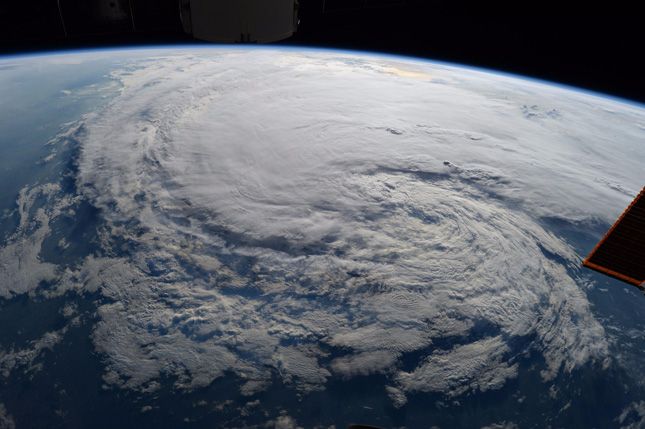
›September 27, 2017 // By Roger-Mark De SouzaThe 1-2-3 punch of hurricanes Irma, Harvey, and Maria has made it devastatingly clear that extreme weather events can and will destroy families, interrupt livelihoods, and tear apart communities, particularly in coastal and low-lying areas of vulnerable regions like the Caribbean and the United States.
-
Water-Energy Nexus in the Himalayas
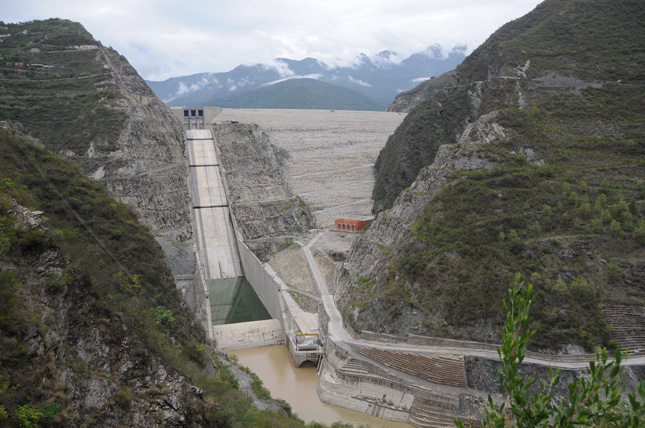
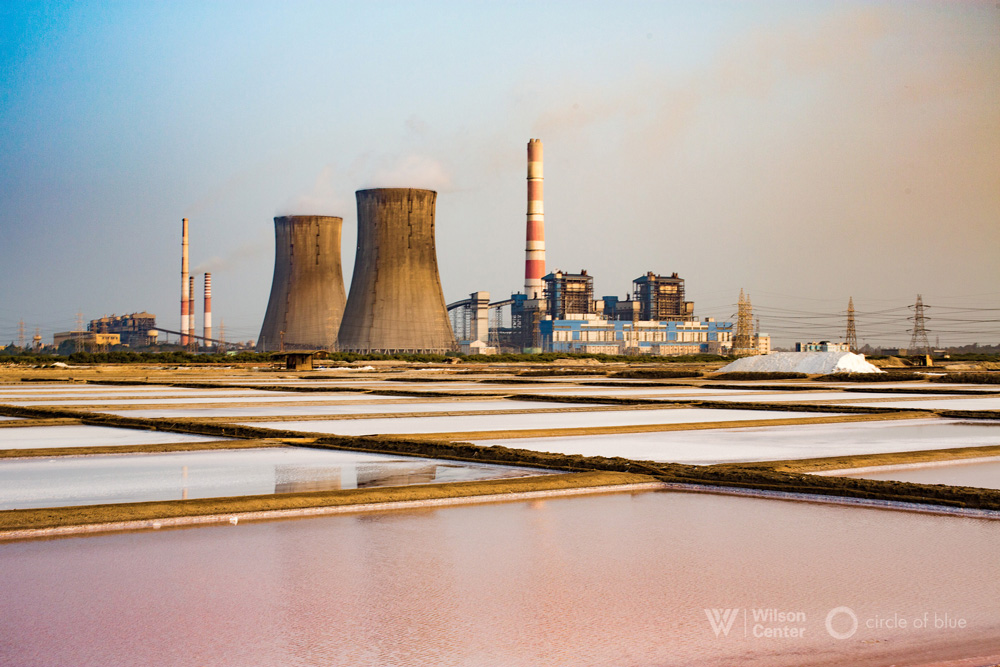
›The region at the base of the Himalayas faces difficult tradeoffs when allocating freshwater resources for energy production versus agricultural, industrial, and domestic uses. This is one of the most ecologically unstable areas on Earth, and weather patterns are becoming increasingly irregular. On one end of the spectrum, water shortages frequently disrupt energy production, which depends largely on water-intensive coal and hydropower plants. The opposite extreme is also a factor: Dozens of hydropower plants in the Himalayas have been damaged or destroyed by severe floods caused by unusually heavy rainfall in recent years. Construction of new power plants faces increasing resistance from local communities, resulting in social disruptions and instability. In order to ensure both energy security and water security for their countries, governments must look beyond hydropower and coal.
-
Top 5 Posts for June 2017
›Water, water everywhere but not a drop to drink: All five of the most popular posts last month focused on water scarcity.
The final two parts of our “Choke Point: Tamil Nadu” series, which explores the conflicting demands for water, food, and energy in the South Indian state, took the top spots. In June’s most popular post, Circle of Blue’s Keith Schneider reports on Tamil Nadu’s leadership in India’s transition to solar and wind energy, which use far less of the country’s scarce water resources than coal and nuclear power plants. Schneider also wrote “New Media Helps Galvanize Tamil Nadu to Fight a Toxic Legacy,” which describes an environmental activist’s fight against industrial water contamination.
-
Water Security and U.S. Foreign Policy in India, Pakistan, and the Philippines
›In 2012, the U.S. National Intelligence Council judged that within the next 10 years, water problems would be a major contributor to instability in “many” countries that are of interest to the United States. South and Southeast Asia, with its many transboundary river basins, large populations, and geopolitical flashpoints, is one among a number of hotspots where such instability could occur.
-
Top 5 Posts for May 2017
›Our nine-part “Choke Point: Tamil Nadu” series with Circle of Blue has been a must-read on the conflicting demands for water, food, and energy in the South Indian state. In May’s most popular post, S. Gopikrishna Warrier introduces us to Chennai’s tech-savvy social entrepreneurs, who are providing the city’s residents with real-time information on the risk of flooding. (The ninth and final post in the series was published yesterday; catch up on all of them at “Choke Point: Tamil Nadu”).
-
Tamil Nadu Leads India’s Historic Turn to the Sun and Wind
›MADURAI, India – Before he agreed to serve as minister of state and take command of his country’s mammoth energy production and distribution sector, Piyush Goyal developed one of India’s most spirited political careers. “A man of ideas and competence,” according to First Post, a prominent news organization, Goyal is an accountant and lawyer who rose to the peak of Indian economic and political culture as an investment banker, member of parliament, and treasurer of the ruling Bharatiya Janata Party.
Showing posts from category India.