-
The Blockchain Revolution: Q&A with Kaikai Yang
›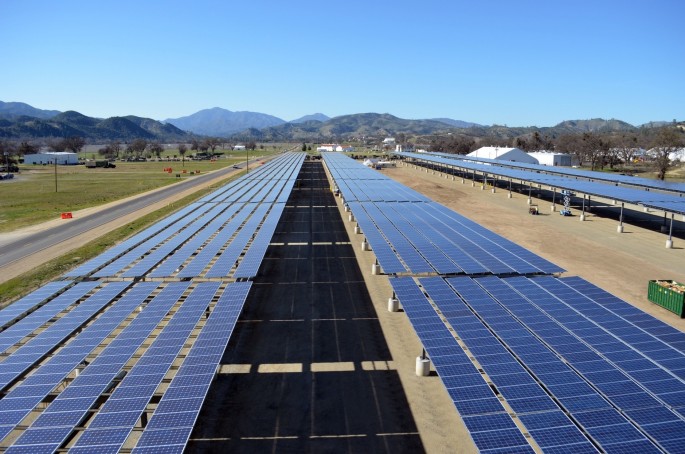
Blockchain, the newest technology poised to revolutionize numerous industries, could help decentralize electricity systems across Asia, Europe, Australia and the United States. In Brooklyn, peer-to-peer microgrids allow prosumers—energy consumers who generate small amounts of electricity from renewable sources—to trade energy with other users. Blockchain technology provides distributed ledgers that validate, record, and share each transaction, using smart contracts that automatically execute energy trades when the price and volume of the electricity transaction meet the contracted requirements.
-
Every Day is Earth Day: Plastic Waste Q&A with Mao Da
›
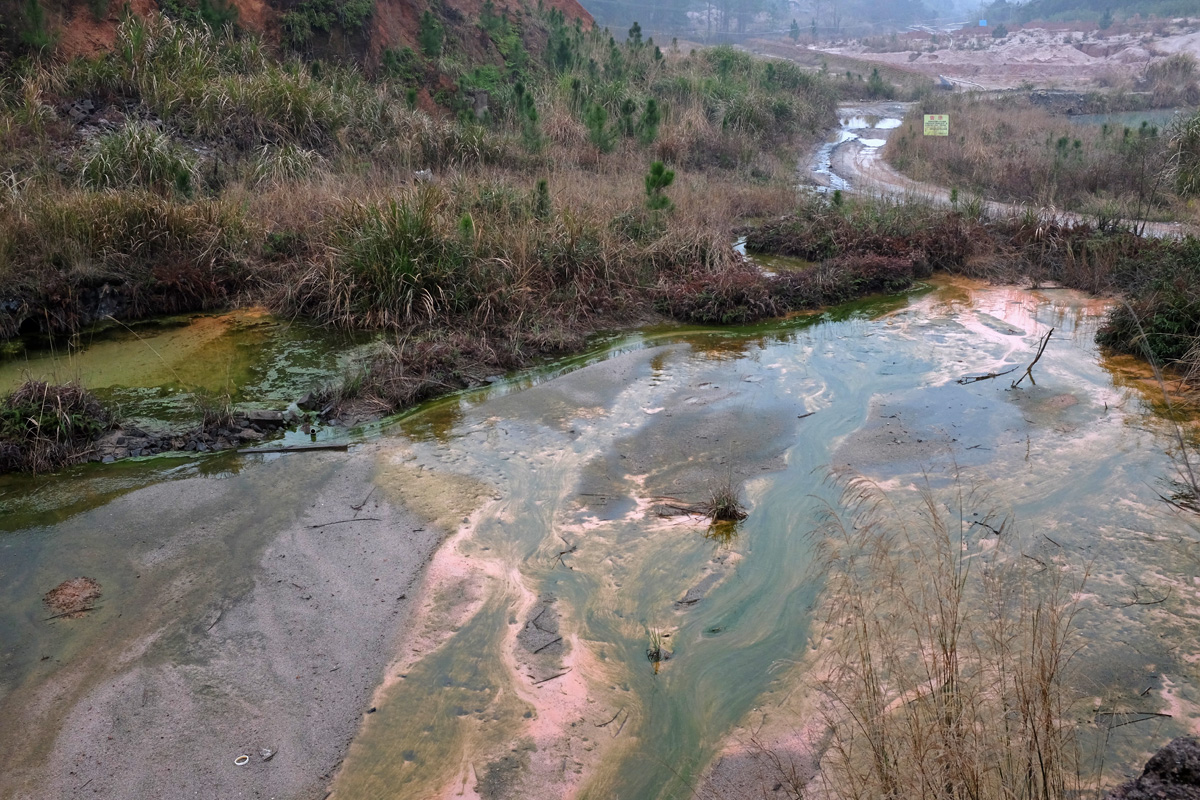
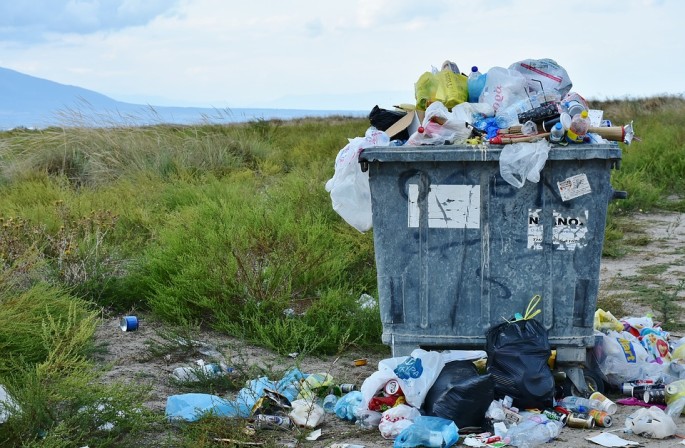
Plastics. From the devastating effects of plastic pollution on our oceans, to the news that plastic bottles likely pollute the drinking water they contain, plastic pollution—the theme of this year’s Earth Day—has been a highly visible issue, and we’ve seen some notable progress on fighting the plastic battle.
-
8 Rules of Political Demography That Help Forecast Tomorrow’s World
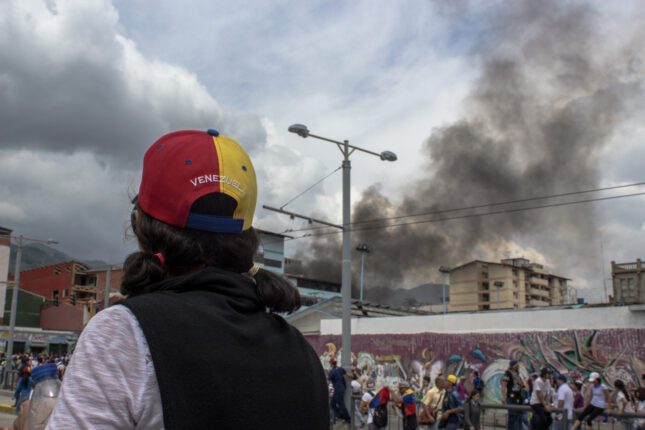
›In a world rapidly churning out unpredictable political shocks, intelligence analysts occasionally need to clear their heads of the daily barrage of newsworthy events and instead work with simple theories that discern the direction and speed of trends and help predict their outcomes. Political demography, the study of population age structures and their relationships to political trends and events, has helped some analysts predict geopolitical changes in a world that, from time to time, appears utterly chaotic. -
The Deadly “Humanitarian Ping-Pong” of Refugee Rescue at Sea
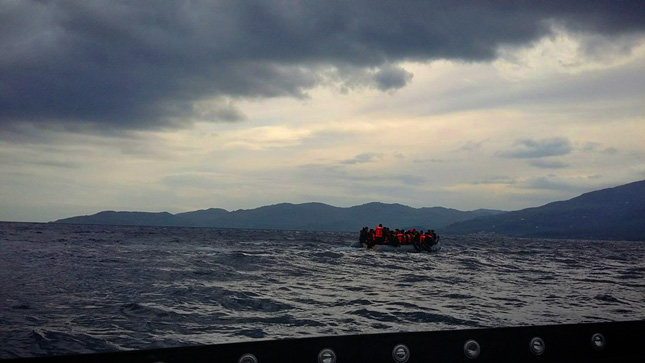
›In 2013, a boat capsized 61 miles from the Italian island of Lampedusa killing 268 refugees including 60 children. It was another horrific example of the risks taken by so many families fleeing violence in the Middle East and Africa. But recently released tapes of conversations with coast guard authorities reveal a deeper tragedy.
-
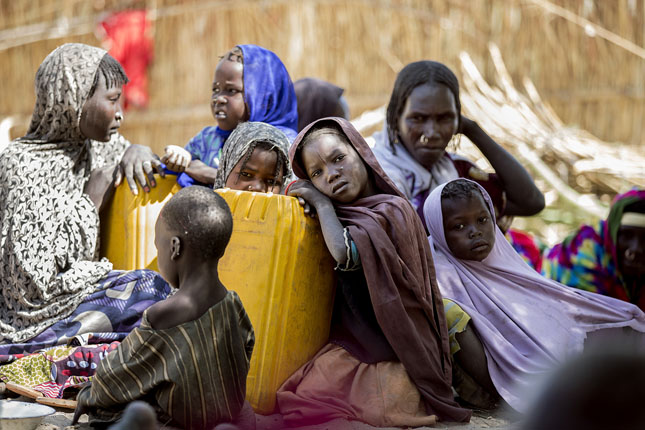
Christophe Angely on Overcoming Pessimism for the Sahel
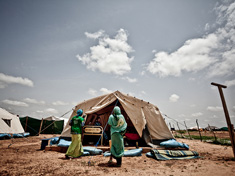
›The Sahel region of Africa is a wide band that marks the transition from the Sahara Desert in the north to the wetter, sub-tropical regions in the south. The Sahelian countries have some of the most rapidly growing populations in the world and have faced significant environmental change over the past century. In recent years, insurgencies have surged in several countries, new terrorist groups have become active, there have been several droughts, and migration has increased. -
Water and the Rise of Insurgencies in the “Arc of Instability”
›Water scarcity has contributed to an “arc of instability” characterized by conflict and displacement that stretches from West Africa to the Middle East, said a panel of experts at the Wilson Center on March 1. Two authors from an upcoming compilation of case studies on water security and violent conflict by World Wildlife Fund gave overviews of challenges in Nigeria and Iran and recommendations for U.S. engagement.
-
As China Adjusts for “True Cost” of Rare Earths, What Does It Mean for Decarbonization?
›Known as the “vitamins of industry,” rare earths refer to a cluster of minerals widely used in green technologies such as wind turbines, rechargeable batteries, and electric vehicles. Rare earth elements embedded in these products keep them light, efficient, and affordable. They’re essential to the decarbonization of the global economy envisioned in the Paris Climate Agreement, agreed to by 192 countries in 2015. And we may soon face a significant shortage, due in no small part to changes in China.
-
As More Aid Flows to Fragile States, a Call for a Better Approach
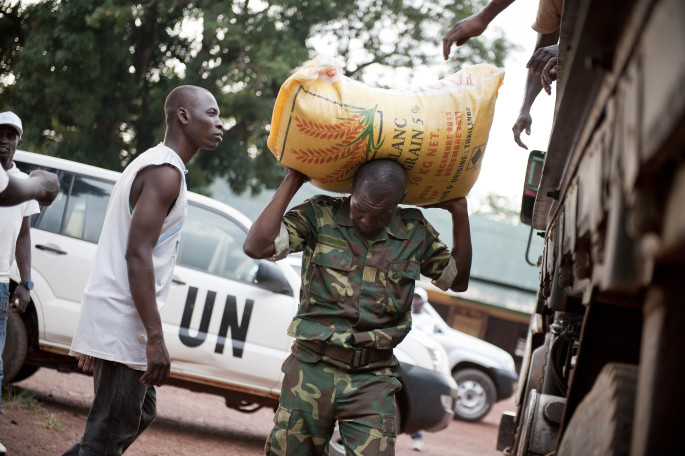
›March 7, 2017 // By Sreya PanugantiGlobal poverty has been reduced dramatically over the past two decades. Less than 11 percent of the world’s population were living in extreme poverty in 2013 compared to 35 percent in 1990. But improvements have largely come in stable countries. Many of the remaining pockets of extreme poverty are in “fragile states,” countries that are vulnerable to internal and external shocks and can easily tip into crisis when faced with an environmental, economic, social, or political change.
Showing posts from category Europe.
 The Sahel region of Africa is a wide band that marks the transition from the Sahara Desert in the north to the wetter, sub-tropical regions in the south. The Sahelian countries have some of the most rapidly growing populations in the world and have faced