-
Hydro-Diplomacy Can Build Peace Over Shared Waters, But Needs More Support
›
From Ukraine and the Middle East to sub-Saharan Africa and East Asia, the world is engulfed in a series of significant international crises. But despite such urgent issues, it would be a grave mistake to forget about the structural foreign policy challenges – such as access to water – that could become the crises of the future.
-
Opportunity Costs: Evidence Suggests Variability, Not Scarcity, Primary Driver of Water Conflict
›
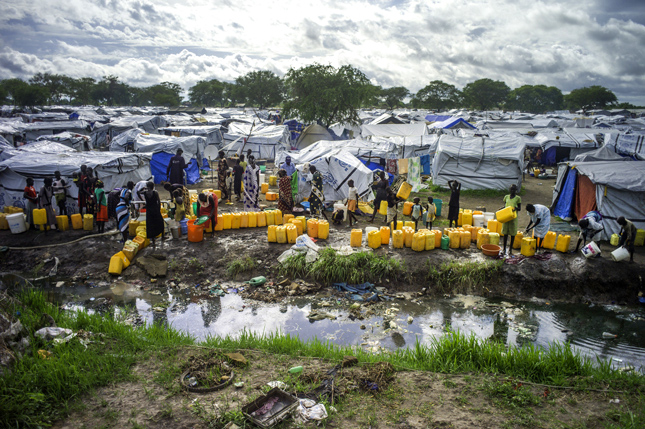
Nearly 1 billion people lack reliable access to clean drinking water today. A report by the Water Resources Group projects that by 2030 annual global freshwater needs will reach 6.9 trillion cubic meters – 64 percent more than the existing accessible, reliable, and sustainable supply. This forecast, while alarming, likely understates the magnitude of tomorrow’s water challenge, as it does not account for the impacts of climate change.
-
Accelerating a Cycle of Violence: Tallying the Damage to Gaza’s Youth
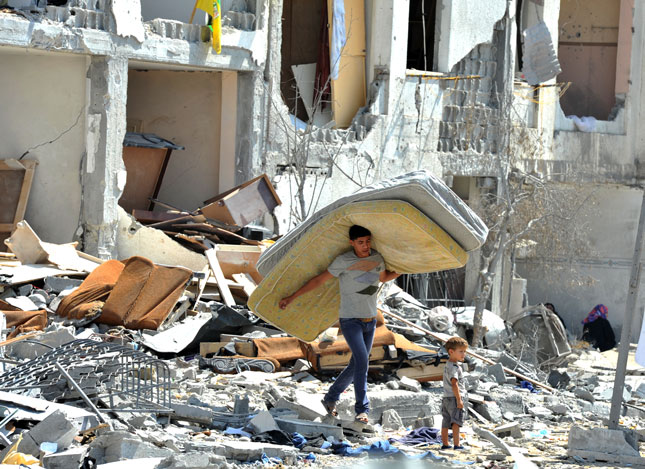
›August 25, 2014 // By Sarah MeyerhoffAmid stop-and-start ceasefires, the tally of death and destruction from the recent conflict in the Gaza Strip has begun. Whatever the final losses incurred – casualties and damage are considerable with estimates varying significantly depending on the source – Gaza’s youngest residents are likely to be most profoundly affected.
-
Richard Cincotta on Demography, Stability, and Democratization in Africa
›“You can look into the future a couple decades and get a very good idea about where countries are going,” said Richard Cincotta during a presentation at the National Defense University last summer – at least when it comes to demography.
-
What Can Demography Tell Us About the Advent of Democracy?
›April 28, 2014 // By Elizabeth Leahy MadsenDemocracy is fickle. Many of the competing theories on the best ways to foment and consolidate plural, inclusive governance or predict its rise and fall focus on political and economic forces. Yet a small group of demographers have explored population age structure as a catalyst for and reflection of a host of changes in societies that can affect governance. -
Water Wars? Think Again: Conflict Over Freshwater Structural Rather Than Strategic
›The global water wars are almost upon us!
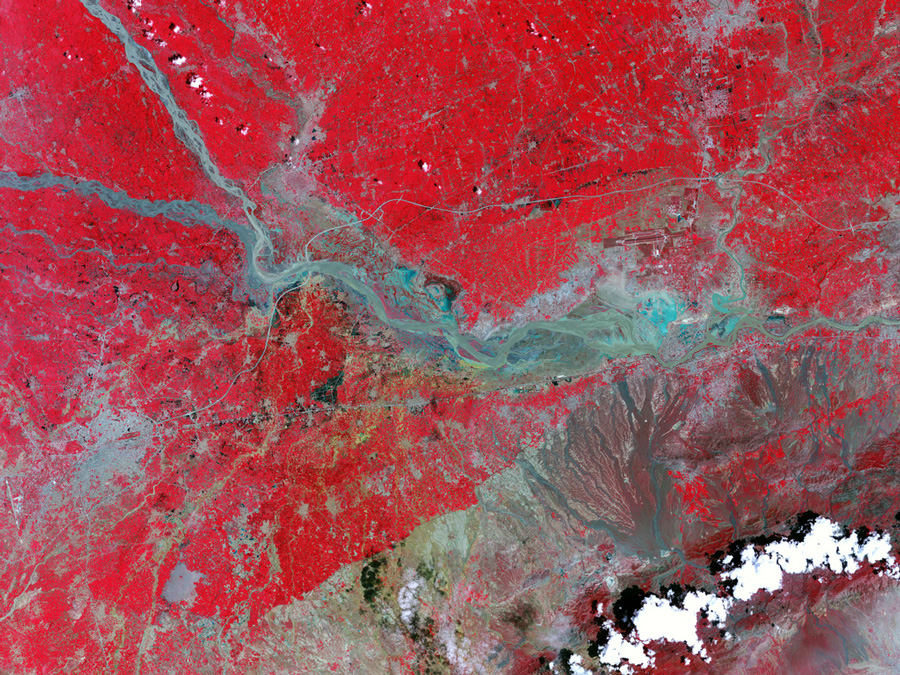
At least that’s how it seems to many. The signs are troubling: Egypt and Ethiopia have recently increased their aggressive posture and rhetoric over the construction of the Great Ethiopian Renaissance Dam in the headwaters of the Blue Nile, Egypt’s major artery since antiquity. India continues to build new dams that are seen by its rival Pakistan as a threat to its “water interests” and thus its national security. Turkey, from its dominant position upstream, has been diverting the Tigris and Euphrates rivers and increasing water stress in the already-volatile states of Iraq and Syria.
-
High Food Prices an Unlikely Cause for the Start of the Arab Spring
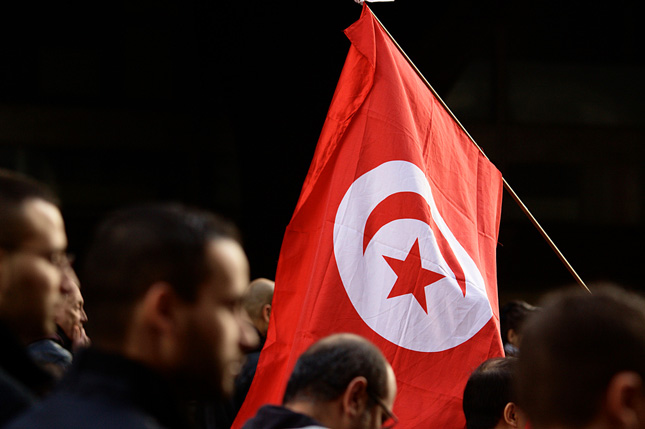
›April 7, 2014 // By Richard CincottaJust months after popular uprisings toppled Tunisia and Egypt’s authoritarian regimes, a trio of complex-system researchers published a brief article linking these demonstrations with high levels of the UN Food and Agriculture Organization’s international Food Price Index. Marco Lagi, Karla Bertrand, and Yaneer Bar-Yam’s model, which predicts outbreaks of deadly social conflict when the index tops 210, has since become a popular explanation wielded by many for bouts of popular unrest, including the Arab Spring and overthrow of Ukraine’s government. But were food prices really an underlying “hidden” cause for the start of a wave of instability that is still being felt today?
-
Food Security and Sociopolitical Stability (Book Launch)
›Following a surge in global food prices in 2008 and again in 2011, policymakers and scholars have paid increased attention to the intersection of food security and political volatility. [Video Below]
Showing posts from category Egypt.