-
Destruction of Habitat and Loss of Biodiversity are Creating the Perfect Conditions for Diseases like COVID-19 to Emerge
›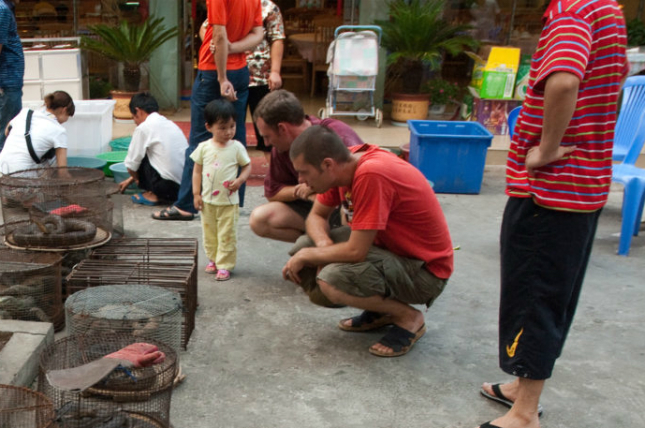
Mayibout 2 is not a healthy place. The 150 or so people who live in the village, which sits on the south bank of the Ivindo River, deep in the great Minkebe forest in northern Gabon, are used to occasional bouts of diseases such as malaria, dengue, yellow fever and sleeping sickness. Mostly they shrug them off.
-
Missing Peace: Why Transboundary Conservation Areas Are Not Resolving Conflicts
›
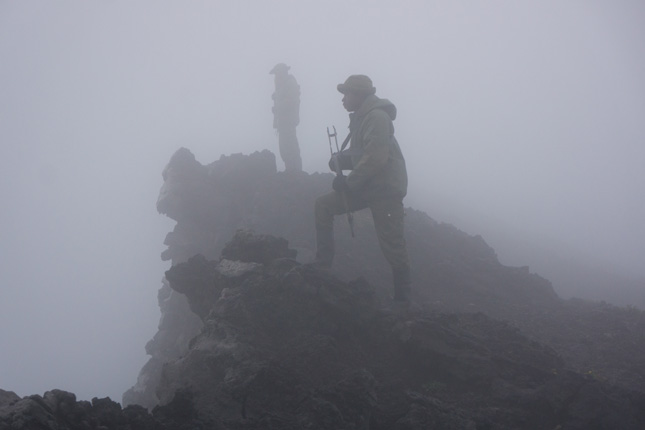
Transboundary Conservation Areas, such as Parks for Peace, have been heralded for their potential to simultaneously contribute to biodiversity conservation and peace, but evidence to this effect has been elusive. In fact, more indications suggest that transboundary conservation areas, including Parks for Peace, rely on pre-existing international peace between countries for formalization and on-going non-violent relations for continuity. Although they are primarily designed for ecological peace (based largely on arguments of ecological connectivity), they are not immune to environmental harms. Perhaps even more challenging is how “fortress conservation” and “green securitization” compromise social peace.
-
Environmental Cooperation Can Facilitate Peace Between States
›Environmental stress and climate change can accelerate instability and conflict—but shared environmental problems can also be a source of cooperation and facilitate peacemaking between states. Transnational environmental problems are common threats and often cross national boundaries, requiring international cooperation to address. In turn, this cooperation can provide a good entry point for building trust and cooperation.
Showing posts from category Democratic Republic of Congo.