-
Equitable, Effective Climate Resilience Requires Cultural Intelligence
›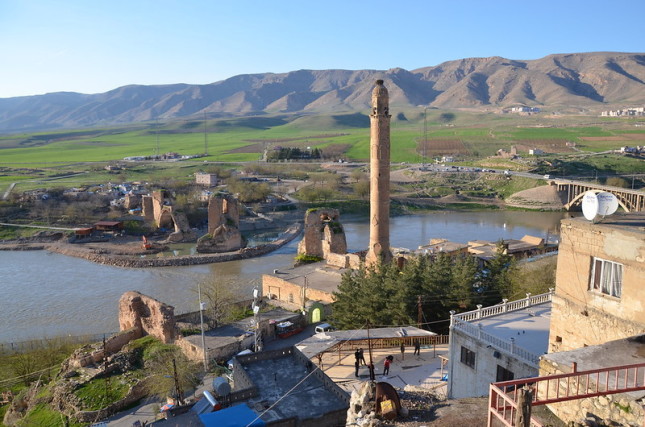
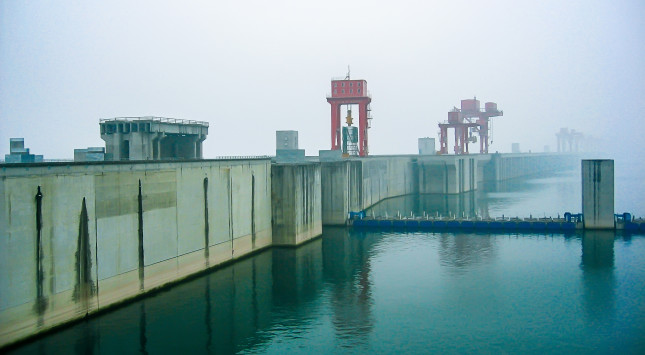
By the end of 2020, Turkey’s long awaited Ilisu dam project will be complete. Turkey argues this new dam will bring power independence and shore up economic stability. As an added bonus, it ensures water resiliency in a water-scarce region. Meanwhile, environmentalists bemoan habitat destruction, and Iraqis worry about water shortages they will experience down river. For the Kurds, the Ilisu dam project wipes out thousands of years of culture. For them, it’s the latest in a methodical cultural extermination which has been their plight since the founding of the Republic of Turkey.
-
The Top 5 Posts of August 2020
›
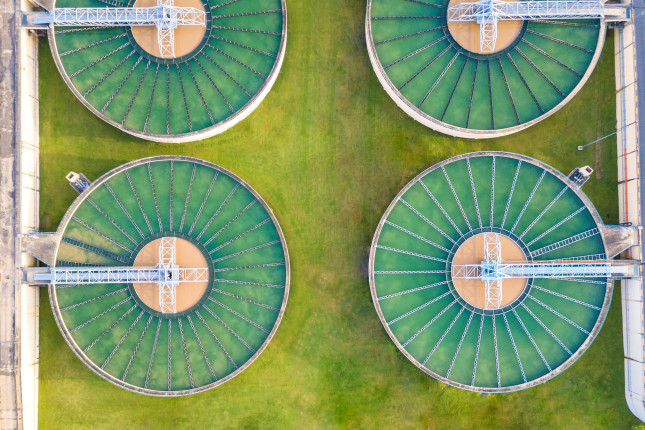
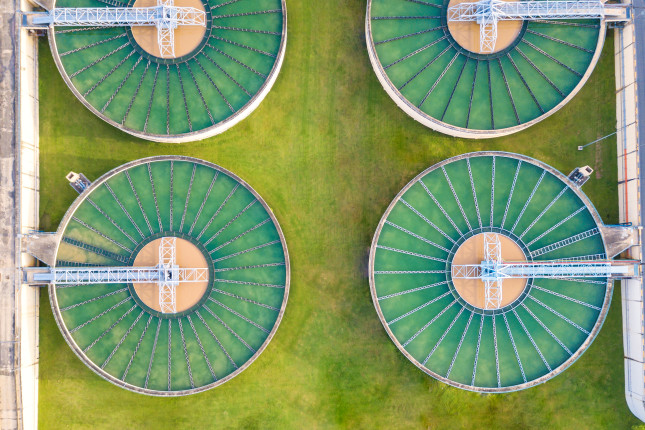
As Beijing prepares to host the 2022 Winter Olympics, China’s environmental activities are once again on center stage. The Wilson Center’s China Environment Forum took the top spot this month with Karen Mancl and Richard Liu’s coverage of the new program report, “Closing the Loop on China’s Water Pollution,” which details what China can learn from New York, Washington, D.C., and Singapore, to advance its wastewater and carbon reduction targets.
-
Nine Dragons Rule the Waters: Closing the Loop on China’s Water Pollution (Report Launch)
›The Chinese government is fighting a war on pollution on multiple fronts to protect its air, water, and soil. Despite passage of the stringent Water Ten Plan in 2015, water quality still has not met anticipated targets in one-third of the country. But one Chinese pollution control success story was Beijing’s investments in municipal wastewater treatment plants in the run up to the 2008 Olympics.
-
China’s Post-Pandemic Water Woes
›Few places have suffered more from the COVID-19 pandemic than southern China, the region where the novel coronavirus was first detected in the city of Wuhan. But it turned out that the pandemic is not the only calamity to befall south China this year. The region has been inundated by heavy rainfall since late May, creating a risk of catastrophic flooding. While southern China typically sees heavy rainfall in the summer months, state media reported that this year’s precipitation has been roughly 20 percent higher than normal. Other outlets report that flooding has affected over 30 million people across dozens of provinces and resulted in over 120 deaths.
-
China Increasing Agricultural Production on a Sea of Plastic
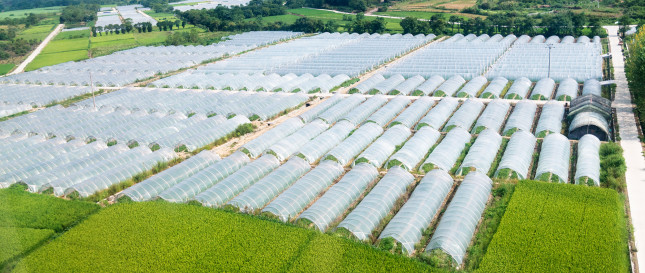
›I saw plastic greenhouses as far as the eye can see from the train as I traveled across Shandong Province to visit the Shandong Academy of Agricultural Sciences. Ninety percent of the world’s plastic greenhouses are in China, covering 3.3 million hectares, about the area of Maryland, with the majority in Shandong.
-
Destruction of Habitat and Loss of Biodiversity are Creating the Perfect Conditions for Diseases like COVID-19 to Emerge
›Mayibout 2 is not a healthy place. The 150 or so people who live in the village, which sits on the south bank of the Ivindo River, deep in the great Minkebe forest in northern Gabon, are used to occasional bouts of diseases such as malaria, dengue, yellow fever and sleeping sickness. Mostly they shrug them off.
-
Can Singapore’s NEWater Spark a Wastewater Revolution in China?
›China is one of the “thirstiest” countries in the world with a per capita water availability a quarter of the United States. With population, pollution, and water shortages growing unabatedly, reclaimed water (e.g., treating wastewater to drinking water standards) could be the answer to China’s water insecurity. In China, extensive research in the 1980s into water reclamation and urban investments supporting infrastructure in the 2000s sparked production capacity in the country to rise from 63 billion gallons a day to 236 billion gallons per day between 2009 to 2015. Today, however, reclaimed water is a mere drop in the bucket meeting less than 1 percent of total urban water use. China could look to the tiny Southeast Asian city-state of Singapore to learn how it tapped reclaimed water to turn its water-scarce tiny island into a high-tech hydrohub.
-
Delivering a Solution to the World’s Ocean Plastic Problem
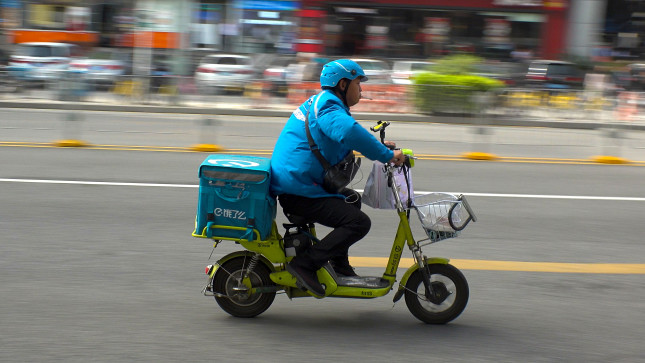
›In 2017, the Green Volunteer League of Chongqing, an environmental NGO, filed a suit against China’s three biggest food delivery companies—Meituan, Baidu, and Ele.me—for damaging the environment by generating excessive waste. Specifically, these three e-commerce platforms provided consumers with single-use chopsticks that consumed 6,700 trees every day as well as massive amounts of plastic containers, bags, and utensils. Today, over 400 million Chinese are regular users of food delivery. Since summer 2019, daily app use for Meituan was over 30 million orders, generating 100 million plastic containers every day—enough to carpet 360 football fields.
Showing posts from category China.