-
Cooperation Is Not Enough: Why We Need to Think Differently About Water
›
In 2003, the United Nations General Assembly declared 2005 to 2015 to be the decade of “water for life” as a way to encourage countries to reach their water-related targets under the Millennium Development Goals. In summing up the last 10 years, it was noted that water cooperation had been promoted widely, featuring at international fora and in government initiatives and development agendas. Water cooperation is described as having the potential to enable peace and sustainable development. However, just as focusing on “water wars” might undermine the everyday challenges of securing safe and adequate supplies of water, focusing only on “more cooperation” may well simplify the problem at hand.
-
Reporting on the Spaces Between: How to Cover Climate, Population, and Health Connections
›
In his 2007 best-seller, The World Without Us, Alan Weisman explored what would happen to the planet if the human race suddenly vanished – the gradual deterioration of the built environment, the geologic fossilization of our everyday stuff, and the ecological processes that would rebound and thrive without continual and growing human pressure. [Video Below]
-
Paola Adriázola and Stephan Wolters, ECC Platform
Investing in Collaboration to Manage Natural Resource Conflict
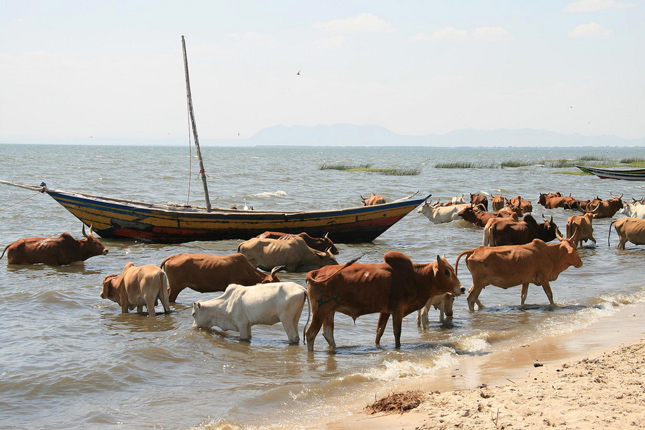
›September 25, 2014 // By Wilson Center StaffConflict over environmental resources endangers rural people’s livelihoods and can increase the risk of broader social conflict. Yet joint action to sustain shared resources can also be a powerful means for community building. The Strengthening Aquatic Resource Governance (STARGO) project demonstrated this in three ecoregions: Lake Victoria, with a focus on Uganda; Lake Kariba, with a focus on Zambia; and Tonle Sap Lake in Cambodia. The results of the project were released at an event in Berlin in early July 2014.
-
Chris Berdnik, Pulitzer Center on Crisis Reporting
Density Breeds Scarcity on Cambodia’s Lake Tonle Sap
›March 10, 2014 // By Wilson Center StaffThe original version of this article, by Chris Berdnik, appeared on the Pulitzer Center on Crisis Reporting.
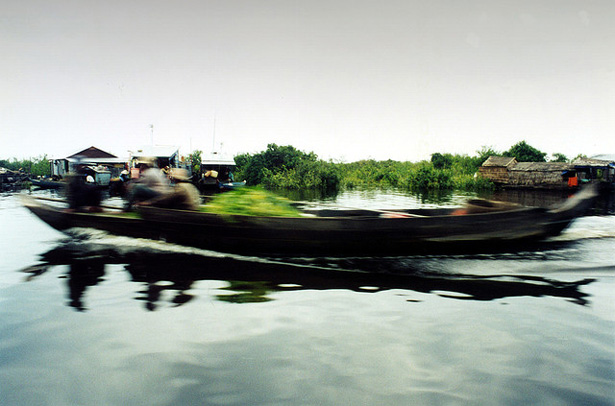
I meet Keo Mao, 42, in the floating fishing village of Akol on Cambodia’s Lake Tonle Sap. The houses here move seasonally with the lake, which expands by a factor of five during the monsoon rains and recedes again in the dry months. Fish supply about 80 percent of the animal protein eaten by Cambodians, and about 60 percent of the inland catch comes from the Tonle Sap.
-
Joshua Zaffos, Yale Environment 360
Life on Mekong Faces Threats As Major Dams Begin to Rise
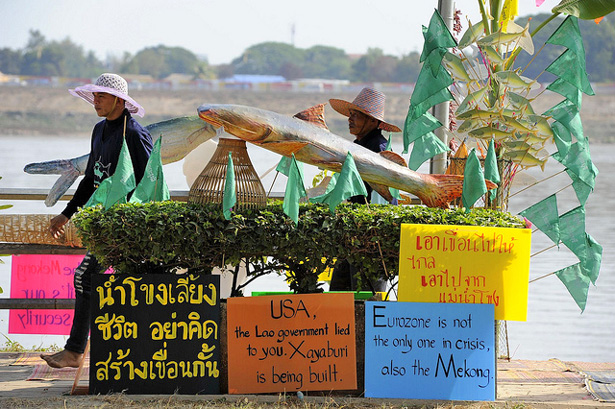
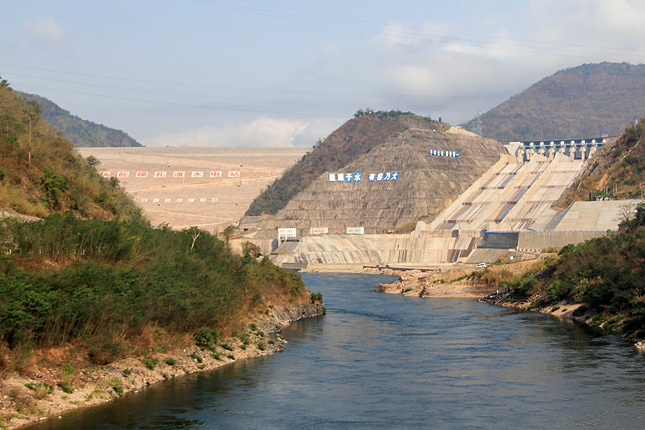
›February 20, 2014 // By Wilson Center StaffIn the sleepy northern Thai border town of Huay Luk, a community leader, Pornsawan Boontun, still remembers the day when villagers netted a Mekong giant catfish more than a decade ago. The fish weighed 615 pounds, and it surprised everyone since the elusive species has never been common in this stretch of river.
-
Geoff Dabelko, Ensia
The Periphery Isn’t Peripheral: Barriers to Cross-Sectoral Collaboration in Development
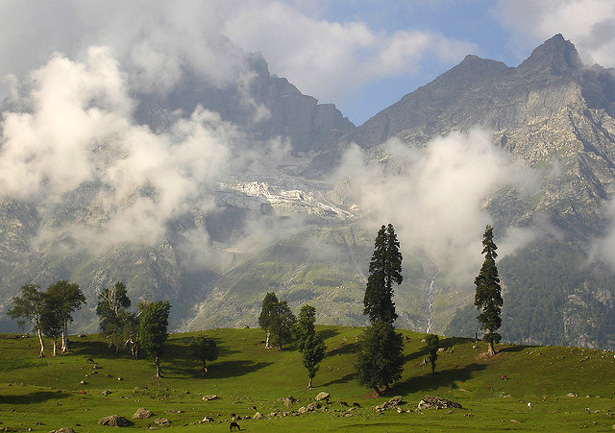
›February 14, 2014 // By Wilson Center StaffWhat do melting Himalayan glaciers have to do with food security in Cambodia? Not much, thought an aid practitioner trying to boost food security along the lower reaches of the Mekong River – until she heard a colleague working on the Tibetan Plateau describe the downstream implications of climate change in the Himalayas. Everything she was working on, she suddenly realized, could be literally washed away.
-
Geoff Dabelko: Face Down the “Four Tyrannies” to Improve Cross-Sectoral Collaboration
›
What does Himalayan ice melt have to do with food security in Cambodia? A lot, when they both significantly affect the flow of the Mekong River. But when it comes to long-term planning across topical and regional lines, development agencies aren’t always as collaborative as they could be – both externally and internally.
-
Critical Mass? How the Mobile Revolution Could Help End Gender-Based Violence
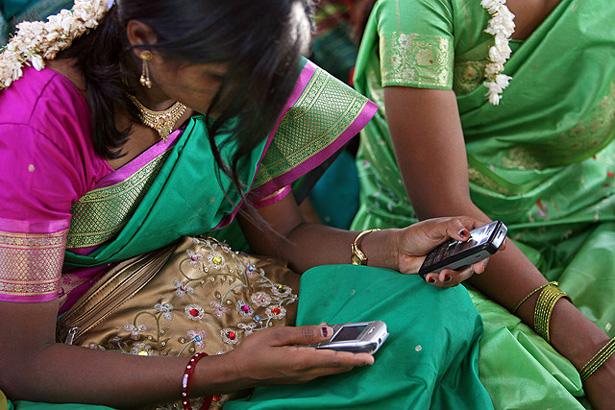
›The past three years – and more pointedly the past 12 months – have laid witness to monumental, if not heartbreaking, incidents of gender-based violence. The gang rape of a 23-year-old woman in New Delhi last December; the gang rape of a 16-year-old girl left for dead in a pit latrine in Western Kenya last June; the mass sexual assault of women in Tahrir Square during the 2011 revolution in Egypt and since; all were high profile atrocities that ignited outrage around the world.
Showing posts from category Cambodia.