-
Priyali Sur, Foreign Policy
South Asian Environmental Migrants Pushed to Back of Line in Refugee Flood
›November 26, 2015 // By Wilson Center Staff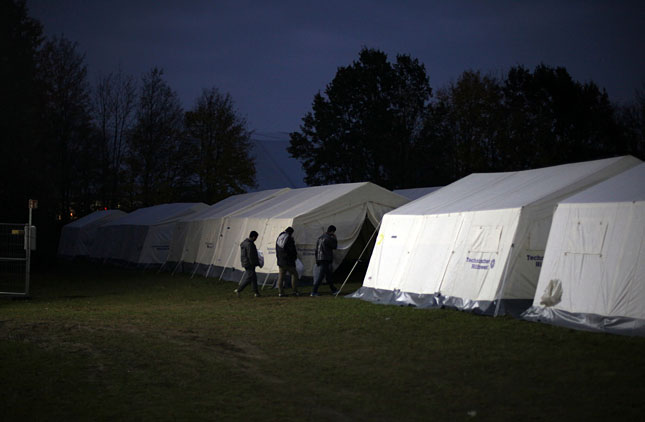
The dark eyes and hair of the Pakistanis, Bangladeshis, and Afghans almost blend with the other migrants’. The brown skin tones are also not giveaways, but ask them where they come from, and you notice the hesitation – trying hard to blend into the crowd of Syrian migrants at Europe’s border crossings, afraid of being spotted and sent back.
-
Falling Costs, Rising Opportunities: Scaling Up Renewable Energy in the Developing World [Part Two]
›
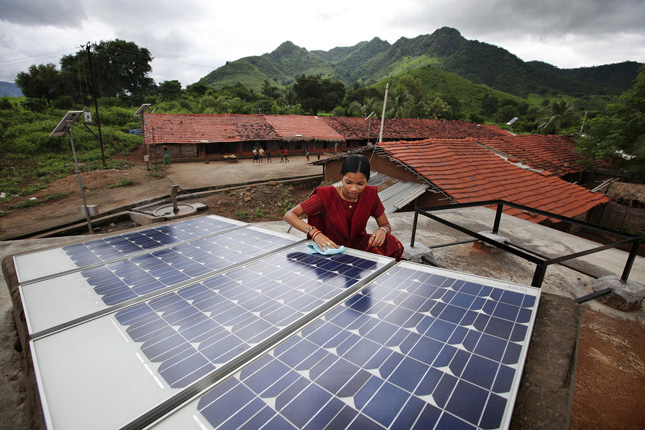
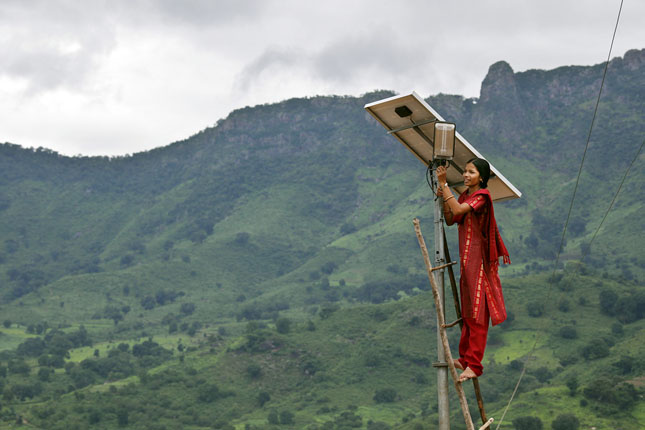
“Clean energy has gone from being the ‘right thing to do’ in combating climate change, to being the most cost-effective option for many energy-insecure countries,” said Carrie Thompson, deputy director of the U.S. Agency for International Development’s Regional Development Mission for Asia, during a day-long conference on renewable energy at the Wilson Center on October 27 (read part one of our coverage here).
-
The Renewable Energy Era Has Already Started
›The world has entered a new energy era. Last year, for the first time in four decades, the global economy grew without an increase in CO2 emissions, according to the Renewable Energy Policy Network for the 21st Century.
-
Iatrogenic Fistula on the Rise as More Women Gain Access to Surgery
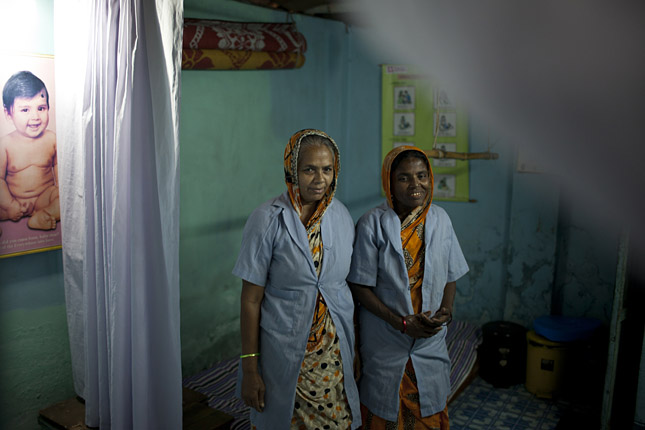
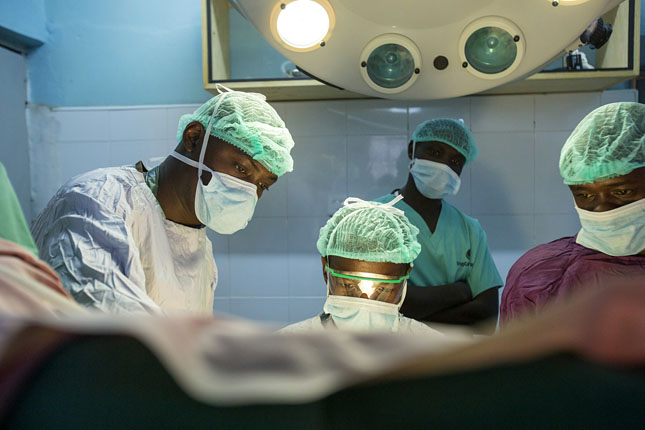
›Obstetric fistula is a devastating childbirth injury caused by prolonged obstructed labor. It can lead to incontinence and infection, social stigmatization as others recoil in horror, and even mental illness. Between 50,000 to 100,000 women each year are affected by it – and it’s entirely preventable with proper medical attention.
-
Turning the Climate-Security Problem on Its Head: Geoff Dabelko Talks G7 ‘Climate for Peace’ Report
›Conversations around climate change often take place at the “30,000-foot level,” said Ohio University Professor and ECSP Senior Advisor Geoff Dabelko in a recent radio interview with WOUB Public Media, based out of Athens, Ohio. Emission reductions, carbon concentrations, global temperatures. But a certain amount of change is already baked into the system and impacts are playing at in different ways around the world already. -
Accounting for 1 in 3 Maternal Deaths, Health Disparities Persist in South Asia
›The state of maternal health in South Asia is difficult to assess. Although rates of maternal mortality are declining between 2 and 2.5 percent a year overall, the region’s massive population – one fifth of the world and over 1 billion people in India alone – means it still accounts for one out of three maternal deaths. [Video Below]
-
Simulating Transboundary Water Conflict in South Asia, and the Effect of Drought on Civil Conflict in Africa
› Natural resource management is a trust issue. There’s no better illustration of this than a scenario exercise. A new CNA Corporation report, Bone Dry and Flooding, details a simulation they ran for transboundary water management in the Indian sub-continent. Players of the game – nationals of China, Pakistan, India, and Bangladesh who had all previously worked in politics, policy, or development – were given a hypothetical five-year time span to manage shared water resources. -
Conflict and Climate Change Collide in Assam as Trafficking Thrives
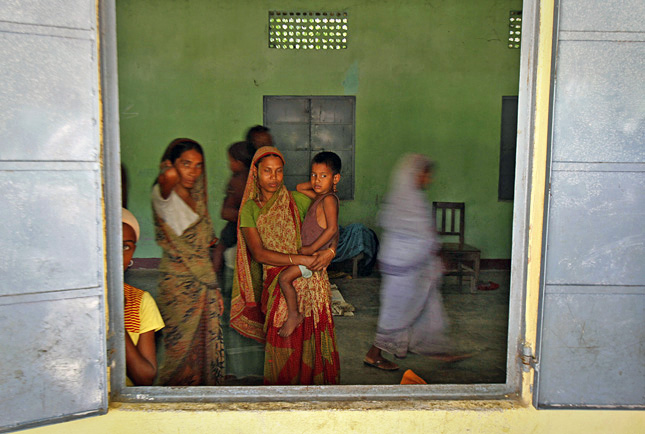
›The story of Uma Tudu captures the endless cycle of poverty, violence, and suffering faced by too many girls in the northeastern Indian state of Assam.* At 16, following floods that destroyed her village, she traveled more than 1,600 kilometers to Delhi, lured by the promise of a good job and a good life. Instead she was sold as bonded labor.
Showing posts from category Bangladesh.
 Conversations around climate change often take place at the “30,000-foot level,” said Ohio University Professor and ECSP Senior Advisor Geoff Dabelko in a recent