Showing posts from category Asia.
-
Rural Poverty: The Bottom One Billion
›March 10, 2011 // By Hannah MarquseeThere are currently 1.4 billion people in the world living in extreme poverty, and 70 percent of them – about one billion people – live in rural areas, according to the Rural Poverty Report 2011, published recently by the International Fund for Agricultural Development (IFAD). The two regions most affected by rural poverty are South Asia, home to half of the world’s rural poor, and sub-Saharan Africa, where, team leader Ted Heinemann points in the accompanying trailer, “the number of rural people living in extreme poverty is actually increasing and the proportion is a very high 62 percent.”
The State of Rural Poverty
While the number of rural poor in the world has actually declined sharply since the late 1980s, the decline is due almost entirely to gains made in East and Southeast Asia, particularly China. Despite these gains, rural poverty remains a stubborn challenge in South Asia, Southeast Asia, and sub-Saharan Africa: three-quarters of the poor in these areas are rural, and “the proportion is barely declining, despite urbanization,” says the report. In the Middle East, North Africa, Latin America, and the Caribbean, the majority of the extremely poor live in urban areas.
The number of undernourished people in the world has also declined slightly from its historic high of 2009, after a doubling of international food prices between 2006 and 2008 left a staggering one billion hungry. (However, food prices recently passed 2008’s historic high point, and some have argued they may have been a factor in the recent uprisings in the Middle East and North Africa.) From a high of one billion, the world’s hungry have since decreased to 925 million, a figure that the UN Food and Agriculture Organization nonetheless calls “unacceptably high.” The current rate of decline is far from meeting the MDG target of halving the number of people who suffer from hunger by 2015, says the IFAD report, and with continuing population growth and resource and energy scarcities, they predict little change in the number of hungry worldwide.
Meeting Rising Demand, Sustainably
“Feeding a global population of just over 9 billion in 2050 will require a 70 percent increase in global food production,” says the report. To do this, the report calls for more sustainable agricultural intensification driven by small-holder farmers. “Small-holder agriculture…can offer rural people a route out of poverty just as they can offer the world a solution to meeting its future food needs,” says IFAD President Kanayo Nwanze, in the trailer.
Increasing global agricultural production must be done “in the context of a weakened natural resource base, energy scarcities, and climate change,” says the report. This will require more efficient use of water, less waste, and a shift towards more resilient crops. It will also require linking scientific knowledge with local farmer knowledge in order to create a sustainable, context-specific approach. The report recommends a sustainable small-holder agriculture system that gives rural people incentives to protect their environment, while helping them adapt to climate change.
Providing Economic Opportunities
Since 80 percent of rural households “farm to some extent,” agricultural intensification will be “a primary engine of rural growth and poverty reduction,” says IFAD, especially in the poorest countries. In a statement to announce the launch of the report, Nwanze said, “rather than romanticizing the concept of lifting poor rural women, men, and children above the poverty line, like a plague that can be eradicated by charity and humanitarian gestures, we are advocating the proactive creation of vibrant rural economies.”
But lifting the one billion rural people out of poverty is not just about stimulating rural farm economies, says the report; it also means creating opportunities in the rural non-farm economy to minimize the risk of economic shocks that drive people into poverty in the first place. While agriculture remains central to rural economies, urbanization, globalization, improved information systems, and growing investments in renewable energy all offer opportunities for growth in rural, non-farm economies. Helping rural people take advantage of these opportunities will require multiple investments, says the report: in education to improve the capabilities of rural youth; in infrastructure and social services to make rural areas better places to live; and in governance mechanisms and collective organizing so that rural people can better represent their own interests.
“Robust action is required now to address the many factors that perpetuate the marginalization of rural economies,” says IFAD. “Above all, this action needs to turn rural areas from backwaters into places where the youth of today will want to live and will be able to fulfill their aspirations.”
Sources: AFP, FAO, IFAD, United Nations, The Washington Post.
Video Credit: “Rural Poverty Report 2011,” courtesy of YouTube user IFADTV. -
Mapping Demographics in WWF Priority Conservation Areas
›February 25, 2011 // By Hannah Marqusee“The developing world is urbanizing at a dizzying pace,” yet rural populations living in developing countries are also rapidly increasing, threatening many of the planet’s most biodiverse regions, says a new study, Mapping Population onto Priority Conservation Areas, by David López-Carr, Matthew Erdman, and Alex Zvoleff.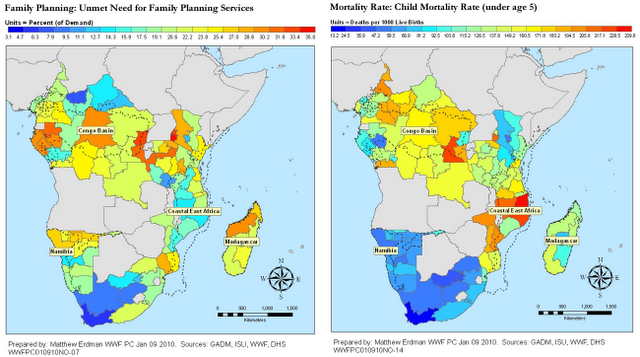
Using comprehensive data from the USAID-sponsored Demographic Health Surveys (DHS), the researchers analyzed population, mortality, and fertility indicators for 10 of the 19 priority places for conservation identified by the World Wildlife Foundation (WWF). These biological hotspots represent parts of 25 countries throughout South Asia, sub-Saharan Africa, and South America, including the Democratic Republic of the Congo, Colombia, Guatemala, Indonesia, Kenya, Nepal, Madagascar, and Thailand.
Urban vs. Rural
The findings confirmed the researchers’ hypothesis that rural areas within WWF priority regions are at a lower state of demographic transition than their urban counterparts, meaning they have higher fertility and infant mortality rates and a younger age structure due to poor access to primary health care, including family planning. Furthermore, women in these regions desire more children than those in urban, non-priority areas, but experience a greater difference between ideal and actual number of children.
For many of the indicators, the differences between urban and rural, and priority and non-priority, regions of the developing world are striking. In urban Asia, the mean predicted population doubling time is 86.1 years; in rural Africa it is only 24.6 years. Urban Asia and South America also have total fertility rates of 1.8 children per woman, while rural Africa’s is 5.2. Infant mortality also ranged from a low of 20 deaths per every 1,000 births in some developing urban areas, to over 100 in rural parts of Coastal East Africa. In the developed world it is less than 10.
There is also consistently less desire among women in priority areas to limit their childbearing. Worldwide, 49.4 percent of women living within priority areas want to limit childbearing, compared to 56.2 percent outside priority areas.
Rural areas in all regions had the highest unmet need for family planning, with the exception of the Congo Basin, where high infant mortality has persisted and dampened women’s desire to limit childbearing. “If much needed health services were provided in the Congo Basin, along with family planning services, child survival rates would increase, and couples would be more inclined to limit overall births,” the study says.
Lower demand for family planning in priority areas is consistent with Caldwell’s theory of intergenerational wealth flows, the paper noted, which explains how in rural agricultural societies, children are economic assets who move wealth to their parents. As countries develop and people gain access to education, healthcare and female empowerment, wealth flows reverse and children become financial burdens. This transition decreases fertility and increases demand for family planning.
Setting Priorities
As WWF plans to scale up its population, health and environment (PHE) programs, this study will help to prioritize places within priority areas that are most in need of PHE intervention and “are most likely to help alleviate negative environmental and social impacts of rapid population growth.” The results of this study show that many areas are ripe for such intervention:Nearly a quarter of households in Coastal East Africa and the Mesoamerican Reef wish to have access to contraception yet their desire remains unfulfilled. Similarly, households within priority places in Coastal East Africa, the Mesoamerican Reef, Amazon and the Guianas, and the Eastern Himalayas wish to have nearly one child fewer than they currently have.
The findings of this study have already informed the planning of several of WWF’s projects in Madagascar and Namibia.
The limited availability and detail of the DHS data was the primary limitation of the study, the researchers noted. The 25 countries examined did not fully cover all WWF’s priority areas – 17 other countries within the priority areas lacked sufficiently comprehensive data for the study. Furthermore, the district or municipality was the smallest unit of analysis possible with DHS data, making it difficult to exactly pinpoint priority communities.
“Geography matters,” write the authors. “Only with further refined data accompanied by qualitative on-the-ground field research can we credibly answer remaining questions.”
Image Credit:“Family Planning: Unmet Need for Family Planning Services” and “Mortality Rate: Child Mortality Rate (Under Age 5)” courtesy of World Wildlife Fund.
Sources: Population Council, World Wildlife Fund. -
Health, Demographics, and the Environment in Southeast Asia
›“Health and Health-Care Systems in Southeast Asia: Diversity and Transitions,” launches a series in The Lancet on health in Southeast Asia. While social, political, and economic development have paved the way for substantial health improvements in some countries, demographic transitions are taking place at among the fastest rates in the world, including reductions in fertility, population aging, and rural-to-urban migration. An epidemiological shift is occurring as well, from infectious to chronic diseases. Rapid urbanization and population movement can not only affect the emergence and spread of new infectious diseases directly, but can also exacerbate environmental changes that indirectly contribute to the burden of waterborne and vector-borne diseases. The series, available early online, addresses these concerns in more detail. Moving forward, the authors advocate for “enhanced regional cooperation in the health sector to share knowledge and rationalize health systems operations, leading to further public health gains for the region’s diverse populations.” In “A Stormy Future for Population Health in Southeast Asia,” author Colin D. Butler responds to the series, stressing that the health of the future generation is dependent on actions today. Environmental change will likely bring sea-level rise that threatens urban centers and food bowls, causing regional food scarcity, exacerbating diseases like dengue fever, increasing the number of extreme weather events, and contributing to resource scarcity throughout the region. With increasing need for sustainable development in the region, Butler concludes that “stronger human factors will be essential to counter the increased physical stresses that seem to be the inevitable destiny of Southeast Asia, largely as a result of the actions of people who have never seen its shores.”
 -
Demographic Trends and Policy Implications in Northeast Asia
›Japan, the People’s Republic of China, Taiwan, and Korea are all aging societies. On February 26, the Wilson Center’s Asia Program hosted an event to consider issues related to demographic change in Northeast Asia. What will be the effect of aging on economic output in these countries? Can welfare states established for much younger populations in developed economies survive the stress of demographic change, or will governments in Northeast Asia need to radically rethink the provision of care to the elderly? Can immigration reform alleviate many of the problems associated with more elderly populations in Northeast Asia? And will current demographic shifts foster more benign or more belligerent interstate relations in the region?
At the event, Harvard University School of Public Health research associate Jocelyn Finlay noted that demographic trends are often overlooked in explaining economic growth in Japan, South Korea, and Taiwan between 1960 and 2000. Demographers estimate that decreases in infant mortality and adult fertility levels, which resulted in an increase of workers relative to dependents, accounted for up to a third of economic growth in these countries during this period. As the age cohort born after 1945 enters into retirement, however, the increase in dependents relative to new workers will be a contributing factor to sluggish growth. Finlay mentioned that pro-natalism and pro-immigration policies, and policies that encourage women and the elderly to participate in the workplace, could help to mitigate the effects of an aging society on economic growth but noted that such policies were all difficult to implement.
These difficulties were examined in further detail by Ito Peng, professor of sociology at the University of Toronto. Peng noted that East Asian democracies have traditionally maintained very lean welfare states, relying instead on private institutions such as extended families to carry much of the burden of, for example, care for the elderly. However, public provision of care for the aged is increasing in these countries, where the nuclear family has become the norm. Governments must actively pursue strategies to increase the number of workers and therefore income tax revenues to pay for the resulting increases in public spending.
However, policies intended to expand the tax base often have unintended consequences. For example, encouraging people to have larger families often has the effect of forcing mothers to stay at home to care for their children, depriving the labor force of a productive worker in the short term. To address this problem, Japan and South Korea have increased the level of public childcare provision. However Peng believes that there needs to be greater integration between the private and public spheres to make Northeast Asian workplaces, still a sphere of male dominance, friendlier to working mothers. Companies that insist on significant overtime duties could, for example, find ways to let working parents maintain a work-life balance that allows them to personally care for their children. Northeast Asian countries can also institute pro-immigration policies to bring more young workers from abroad. However, sustained immigration policies are also difficult in nations, like Japan and South Korea, without a history of accepting newcomers.
For Richard Cincotta, demographer-in-residence at the Stimson Center and consultant for the Wilson Center’s Environmental Change and Security Program, demographic change will be a major factor in determining the way states in Northeast Asia approach security. To illustrate the relationship between demography and security, Cincotta noted that Japan’s militarist period in the 1930s and 1940s occurred when its population was younger, more ambitious, and more energetic. With older societies, countries in Northeast Asia will be able to recruit fewer males for the military, meaning their foreign policies may shift more towards caution.
The exception, however, is China, where the number of potential male recruits far outnumbers those of its neighbors. This means that Japan, South Korea, and Taiwan will come under more pressure to intensify the use of human capital by promoting more professionalized and better equipped militaries. They will also have incentives to resolve any differences with their key ally, the United States, as well as among each other. Cincotta suggested that we may be seeing the start of a new type of Cold War, where Pacific Northeast Asian states cooperate to check a potential Chinese regional hegemon.
Bryce Wakefield is a program associate with the Asia Program at the Woodrow Wilson Center.
Photo Credit: “Mouth wide open,” courtesy of flickr user Azzazello. -
Carl Haub, Behind the Numbers
Taiwan’s Birth Rate Lowest Recorded in History
›January 27, 2011 // By Wilson Center StaffExcerpted from the original article, by Carl Haub, on the Population Reference Bureau’s Behind the Numbers blog:
Taiwan’s government has just announced that the country’s total fertility rate (or TFR, the average number of children a woman would bear in her lifetime if the birth rate of a particular year were to remain unchanged) in 2010 was the lowest in its history at 0.91 children per woman. It’s the lowest rate any country has ever reported in history. The announcement itself is a bit of a projection since births have been officially reported only through November 2010. The country’s TFR had declined to 1.1 in 2005 and had remained there through 2009.
The rather spectacular drop in 2010 was due to an additional reason: 2010 is the Year of the Tiger on the Chinese calendar, beginning on February 14. The Tiger year is particularly inauspicious for births since Tigers, while seen as brave, are also seen as headstrong and possibly difficult to work with. It is quite common for employers to consider the zodiac of job applicants and Tigers may be avoided so that parents have some concrete reasons to avoid having a child in Tiger years. While there has been a lot of concern over the demographic situation for some time, Taiwan’s President Ma Ying-jeou has now called for measures to increase the birth rate to be raised to the “national security level.”
Continue reading on Behind the Numbers.
Sources: Asia Times, USA Today.
Photo Credit: Adapted from “070923 sleeping baby,” courtesy of flickr user Wowo and her families. -
Elizabeth Malone on Climate Change and Glacial Melt in High Asia
›“There’s nothing more iconic, I think, about the climate change issue than glaciers,” says Elizabeth Malone, senior research scientist at the Joint Global Change Research Institute and Pacific Northwest National Laboratory. Malone served as the technical lead on “Changing Glaciers and Hydrology in Asia: Addressing Vulnerability to Glacier Melt Impacts,” a USAID report released in late 2010 that explores the linkages between climate change, demographic change, and glacier melt in the Himalayas and other nearby mountain systems.
Describing glaciers as “transboundary in the largest sense,” Malone points out that meltwater from High Asian glaciers feeds many of the region’s largest rivers, including the Indus, Ganges, Tsangpo-Brahmaputra, and Mekong. While glacial melt does not necessarily constitute a large percentage of those rivers’ downstream flow volume, concern persists that continued rapid glacial melt induced by climate change could eventually impact water availability and food security in densely populated areas of South and East Asia.
Rapid demographic change has potentially factored into accelerated glacial melt, even though the connection may not be a direct one, Malone adds.
Atmospheric pollution generated by growing populations contributes to global warming, while black carbon emissions from cooking and home heating can eventually settle on glacial ice fields, accelerating melt rates. Given such cause-and-effect relationships, Malone says that rapid population growth and the continued retreat of High Asian glaciers are “two problems that seem distant,” yet “are indeed very related.”
The “Pop Audio” series is also available as podcasts on iTunes. -
The Role of Population Dynamics in Climate Adaptation
›December 21, 2010 // By Wilson Center StaffThis post is a synthesis of a panel discussion at the UNFPA Population Dynamics and Climate Change conference in Mexico City with Marcia Castro, of the Harvard School of Public Health; Heather D’Agnes, of USAID; and Lori Hunter, of the University of Colorado at Boulder.
It is well-known that environmental change — including climate change — has important impacts on human health. However, it is less well understood how health systems shape the responses of individuals and households to environmental change. Population dynamics — such as fertility, migration, and mortality and morbidity — influence community health and greatly affect community resilience in the face of environmental changes, including the capacity to adapt to climate change.
Mortality and Morbidity
Morbidity and mortality dramatically shape a household’s ability to adapt its livelihood strategies to a changing climate. For example, in areas of high HIV prevalence, such as sub-Saharan Africa, adult mortality seriously undermines livelihood options. In the face of such loss, the household’s reliance on local natural resources intensifies. If environmental change reduces the amount of available resources, the household has fewer options for energy and sustenance.
Morbidity also affects adaptive capacity, and morbidity itself can be shaped by environmental change. For example, environmental scarcity can increase poverty, which can lead to an increase in risky transactional sex, further fueling the HIV pandemic. Malnutrition resulting from drought and environmental shocks can suppress the immune systems of HIV-positive people, making them more vulnerable to illness and less able to adapt to other external changes.
Fertility and Family Planning
Healthier households are more resilient households, so increasing access to health services, including reproductive health services, is essential for building adaptive capacity. High fertility poses challenges to a family’s livelihood and has negative health effects on women and children. Providing reproductive health services is an effective way to improve the capacity of these vulnerable groups to adapt to climate change. For example, a recent study argues that lowering fertility rates in the Himalayan region could increase community resilience to the predicted fluctuations in water quantity.
However, there is a high level of unmet demand for contraception across the globe. How can community adaptation programs help meet this need? Importantly, research from the Philippines suggests that integrating population, health, and environment programs in a package approach to community development is more effective than single-sector interventions. Including family planning and reproductive health services in community-based climate adaptation programs could not only more effectively meet the community’s needs, but could also improve its adaptive capacity better than health or climate programs alone.
Migration
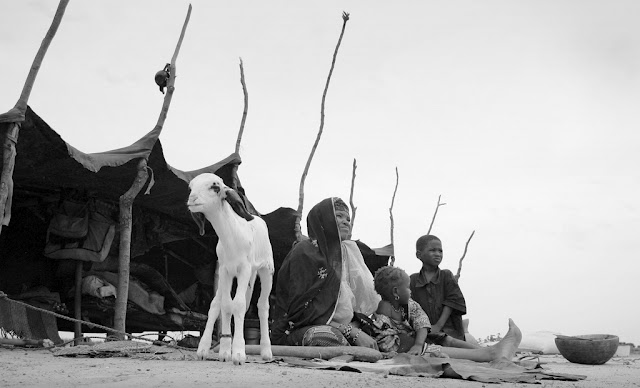
Another population process, migration, can both impact health and affect the capacity for adaptation. For example, internal migration in the Brazilian Amazon appears associated with the spread of malaria, which negatively impacts the adaptive capacity of households. To mitigate climate change’s health impacts, states should more effectively plan settlements and health systems, including health impact assessments for infrastructure and development projects. (Editor’s Note – northern Nigeria and Niger present another example of similar climate-related migratory patterns that significantly impact health and economic resilience.)
In summary, the scientific evidence is clear that population dynamics — such as mortality, fertility, and migration — and environmental trends are linked. Projects intended to improve a community’s ability to adapt to a changing climate should consider and address these linkages in their design and implementation.
Sources: Foundation for Environmental Conservation, UNFPA, USAID.
Photo Credit: “Toureg family in Niger,” courtesy of flickr user ILRI. -
Managing the Mekong: Conflict or Compromise?
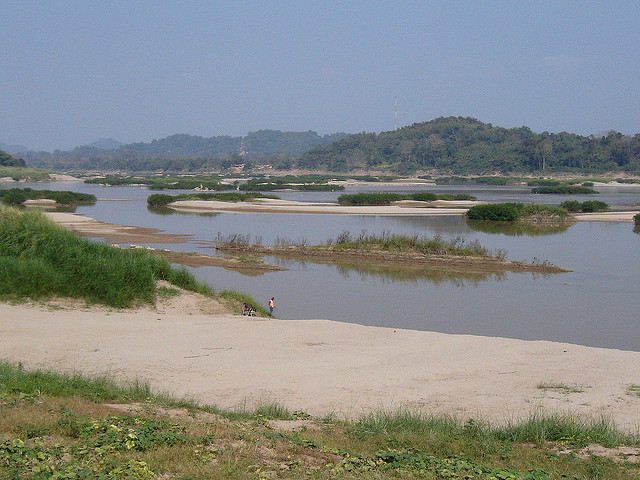
›December 1, 2010 // By Russell SticklorAt nearly 5,000 kilometers long, the Mekong River is one of Asia’s most strategically important transboundary waterways. In addition to providing water for populations in the highlands of southern China, the Mekong helps support some 60 million people downstream in Southeast Asia, where the river is a key component of agricultural production and economic development.
In recent years, however, the Mekong has emerged as a flashpoint for controversy, pitting China against a coalition of downstream nations that includes Thailand, Laos, Cambodia, and Vietnam. The countries of the Lower Mekong argue that Beijing’s construction of multiple dams on the Upper Mekong is robbing them of critical water resources, by decreasing both the quality and quantity of water that makes it through Chinese floodgates and spillways. China, however, mindful of soaring energy demand at home, has continued its campaign to harness the hydroelectric potential of the Upper Mekong and its tributaries – but at what cost to the environment and Beijing’s relationships with Southeast Asia?
China’s Hand on the FaucetChina’s total energy demand just recently passed the United States and is expected to continue to increase in the near-term – by 75 percent over the next 25 years, according to the International Energy Agency.
As a result, Beijing has been looking to bolster its energy security by reaching out to develop energy resources in Africa, Latin America, and the Middle East, as well as along the Mekong and in the East and South China Seas.
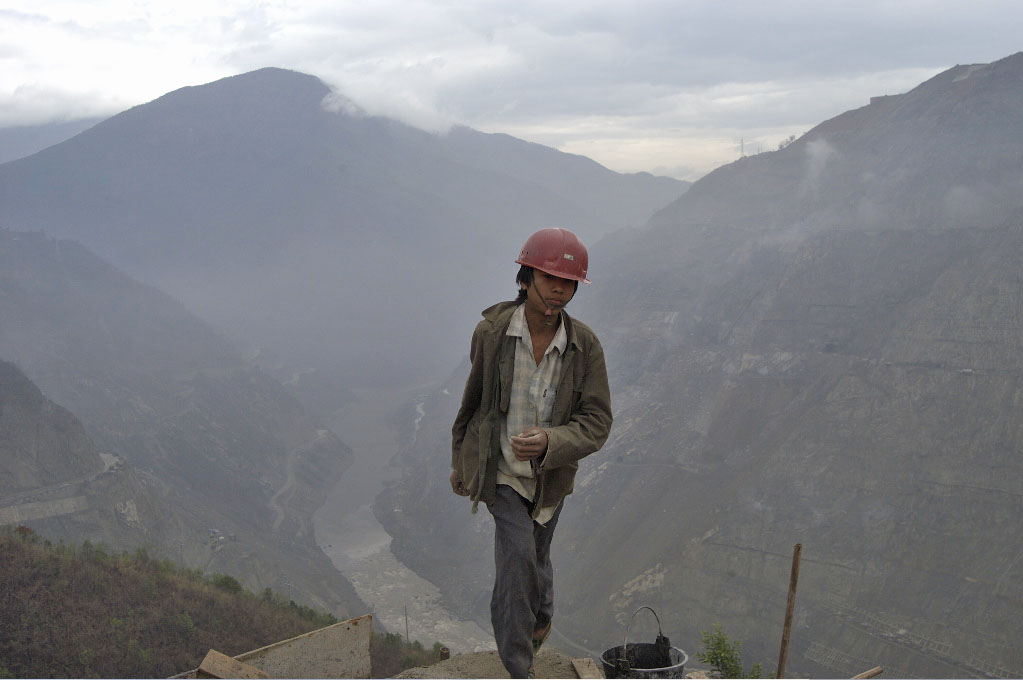
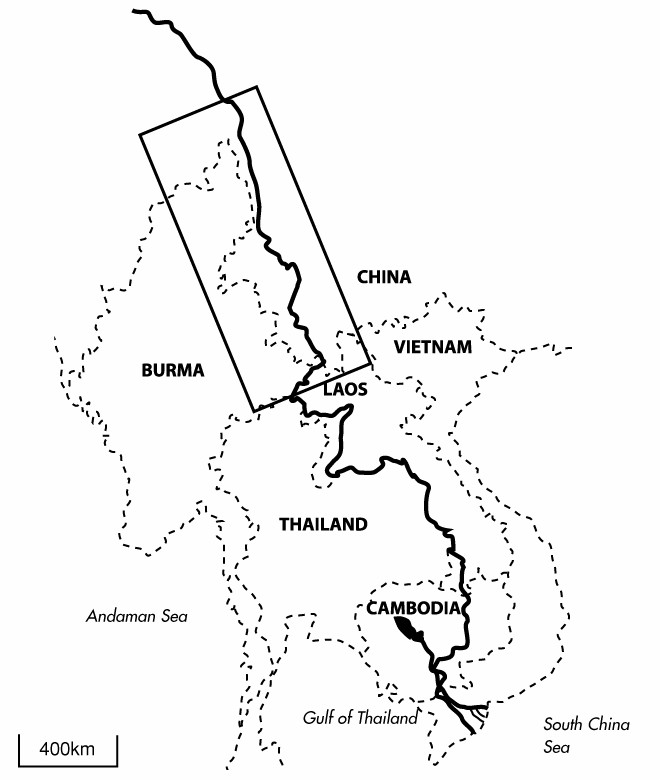
In that context, China’s aggressive hydroelectric development of the Upper Mekong — known in China as the Láncang Jiang (shown in the boxed area of the map at right) — makes perfect sense. The river’s sizeable elevation drops make it a rich source of energy; already, 15 large-scale dams have either been completed or are under construction on the Upper Mekong in Tibet and Yunnan.
Those dams also provide China with enormous geopolitical leverage over downstream nations. With little more than the flick of a switch, the Chinese government could substantially curtail the volume of flow entering the Lower Mekong basin. Doing so would of course be tantamount to an act of war, since depleted flow volumes in the Lower Mekong would hinder crop irrigation, jeopardize food security, and endanger the health of the region’s economically critical freshwater fisheries, which are among the world’s most productive. Chinese floodgates and spillways essentially give Beijing de facto control over Southeast Asia’s water security.
The View Downstream
To date, China has never threatened to deliberately reduce the flow of the Mekong to its downstream neighbors. Nevertheless, the perception of threat in Southeast Asian capitals remains high.
Already, a number of the region’s governments — represented formally through the Mekong River Commission, a 15-year-old organization that China still has not joined as a full-fledged member — have complained that completed or in-progress Chinese dams are resulting in less water entering their countries, a phenomenon that becomes particularly pronounced during periods of drought, as observed this summer. Further, there is also the issue of water quality. Since Chinese dams trap silt being flushed out of the Himalayas, that nutrient-rich material cannot be carried downstream, where it historically has helped create fertile soils in the floodplains of the Lower Mekong basin.Quality and quantity concerns aside, there are also structural issues concerning how Beijing goes about its business on the Upper Mekong. Since it is only a “Dialogue Partner” to members of the Mekong River Commission, China is not required to seek approval from downstream nations on hydroelectric development of the river’s Chinese stretch, even though that development has both direct and indirect implications for water security in the Lower Mekong basin. China has even shown a penchant for deliberate secrecy as it develops its stretch of the river, choosing to share a minimal amount of hydrological data with downstream neighbors and typically refraining from even announcing new dam projects.
“The Security Implications Could Hardly Be Greater”
Given its geographic position, Cambodia is particularly vulnerable to China’s stewardship decisions. With one of the poorest populations in Southeast Asia and also one of the highest fertility rates, at 3.3 births per woman, the potential for water scarcity issues is real. By mid-century, its population is projected to jump from its current 15 million to nearly 24 million.
“The government of Cambodia will be entirely at the mercy of Beijing,” said Wilson Center Scholar and Southeast Asian security expert Marvin Ott. “For Cambodia, the question becomes how they can curry China’s favor so as to avoid coercive use of the Mekong — or find some way of exerting counter-pressure on Beijing.”
Overall, population for mainland Southeast Asia is projected to rise from its current 232 million to 292 million by 2050. This growth will require increased agricultural output across the region and thus increased reliance on the waters of the Lower Mekong. The Lower Mekong nations’ shared dependency on the river and China’s continued unilateralism in the Upper Mekong could have serious repercussions for the region, said Ott:The security implications could hardly be greater for the downstream states. With the dams, China will have literal control over the river system that is the lifeblood of Laos, Cambodia, and Vietnam. The power this gives China is equivalent to an invasion and occupation of a country by the Chinese army.
For its part, the PRC maintains that water woes in the Lower Mekong are not its doing. In response to the chorus of Southeast Asian claims that China diverts or stores more than its fair share of water, Beijing’s typical refrain has been that blame for low water levels downstream lies not with Chinese water resource management but with heightened precipitation variability associated with climate change. Chinese water officials also contend that the Lower Mekong countries’ complaints are misdirected because water from the Chinese-controlled sections of the Upper Mekong basin accounts for less than 20 percent of the Mekong’s total flow volume by the time the river reaches its natural outlet in the South China Sea.
There are some indications, however, that China may be experimenting with a more open approach to engaging downstream nations. Earlier this year, China overturned precedent by offering top Southeast Asian government officials a tour of what had once been a top-secret hydro project, the mammoth Xiaowan dam. Some critics insisted Beijing’s fear of growing U.S. influence in the Lower Mekong helped motivate the rare show of transparency, while others said it was a means to curry favor with Southeast Asian nations so that they would support China’s controversial resource-development strategies in the South China Sea. Yet regardless of motive, Beijing’s move away from secrecy – if sustained – could do a great deal to smooth over regional tensions.
Dammed If You Do, Damned If You Don’t
Beyond some limited transparency, Beijing also hopes to mitigate concerns about development of the Upper Mekong by offering funding or logistical support for similar large-scale hydroelectric facilities on the Lower Mekong. The move has been largely welcomed by the Mekong River Commission countries, which envision dams of their own generating much-needed energy input for national grids, accelerating continued economic modernization, and enhancing flood control. As of 2009, there were 12 dam projects for stretches of the Mekong south of the Chinese border and many more planned for key tributaries.
The danger in such deal-making is that the environmental costs will be lost in the shuffle. A series of major dams would fundamentally alter the Mekong’s hydrology, which could lead to the degradation of sensitive riverine ecosystems, the disruption of upstream migratory routes for fish that serve as local dietary staples, and the decline of fresh water fisheries that form the backbone of many local economies.
Given the long-term effects on the food, environmental, and economic security of the Lower Mekong heartland, Beijing’s attempt to ease water tensions with a new round of dam construction may end up doing far more harm than good. Unfortunately, with both China and the Mekong River Commission countries currently viewing the dam proposals as something of a win-win, planning and construction are likely to move forward over the coming years.
Sources: Financial Times, Foreign Policy, International Institute for Strategic Studies, Los Angeles Times, Mekong River Commission, National Geographic, New Asia Republic, Phnom Penh Post, Population Reference Bureau, Stimson Center.
Photo Credits: “Xiaowan Dam Site (Yunnan Province, China, 2005),” (Top) courtesy of flickr user International Rivers; Map (Middle) courtesy of International Rivers; “Thailand – Isaan, Mekong River,” (Bottom) courtesy of flickr user vtveen.