-
Water Security and U.S. Foreign Policy in India, Pakistan, and the Philippines
›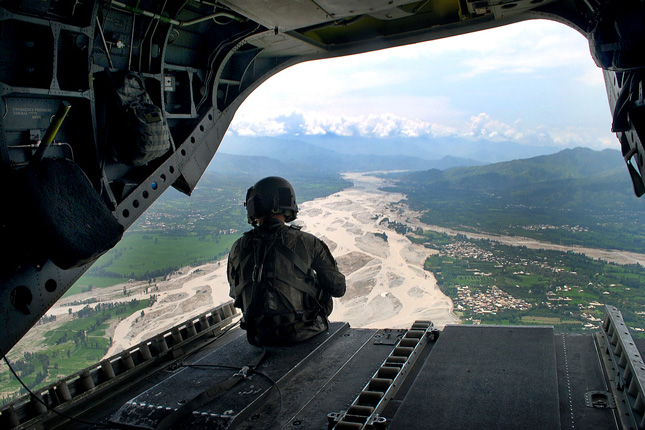
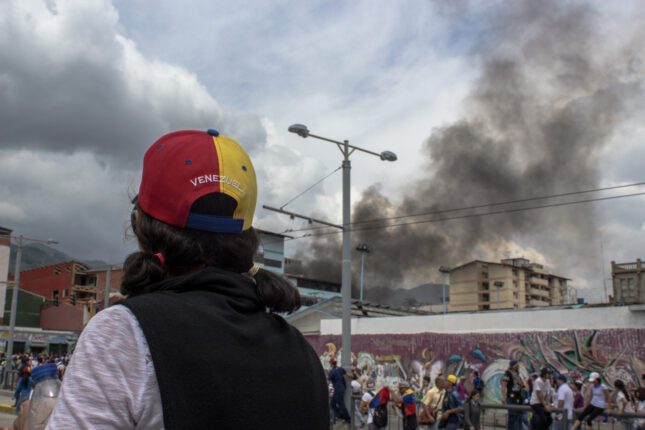
In 2012, the U.S. National Intelligence Council judged that within the next 10 years, water problems would be a major contributor to instability in “many” countries that are of interest to the United States. South and Southeast Asia, with its many transboundary river basins, large populations, and geopolitical flashpoints, is one among a number of hotspots where such instability could occur.
-
8 Rules of Political Demography That Help Forecast Tomorrow’s World
›In a world rapidly churning out unpredictable political shocks, intelligence analysts occasionally need to clear their heads of the daily barrage of newsworthy events and instead work with simple theories that discern the direction and speed of trends and help predict their outcomes. Political demography, the study of population age structures and their relationships to political trends and events, has helped some analysts predict geopolitical changes in a world that, from time to time, appears utterly chaotic.
-
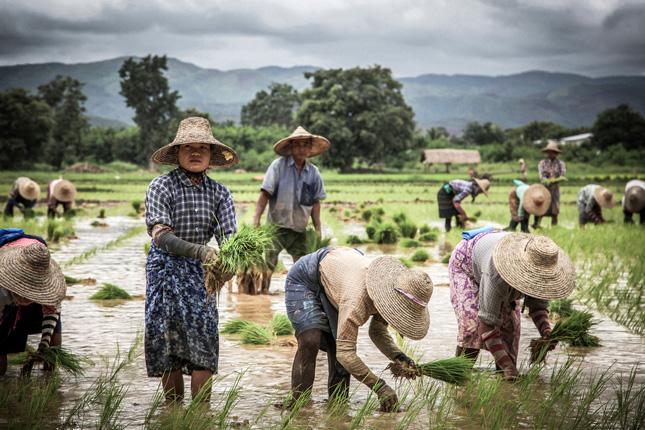
ND-GAIN Updates Climate Adaptation Index: Good News for Myanmar, Bad News for Brazil
›As climate change leads to more weather variability and natural disasters, the need for adaptation is more urgent than ever. The Notre Dame Global Adaptation Initiative (ND-GAIN) aims to enhance understanding of adaptation and inform the public and private sectors on actions and investments.
-
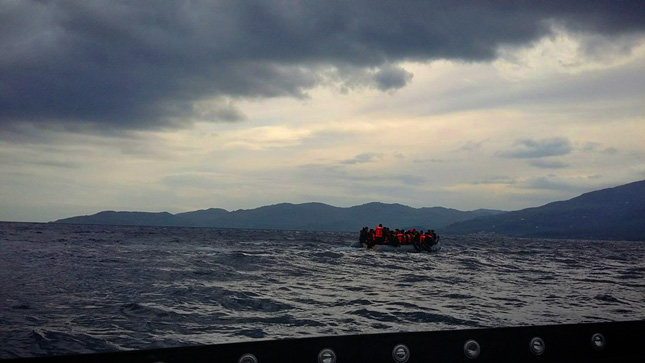
The Deadly “Humanitarian Ping-Pong” of Refugee Rescue at Sea
›In 2013, a boat capsized 61 miles from the Italian island of Lampedusa killing 268 refugees including 60 children. It was another horrific example of the risks taken by so many families fleeing violence in the Middle East and Africa. But recently released tapes of conversations with coast guard authorities reveal a deeper tragedy.
-
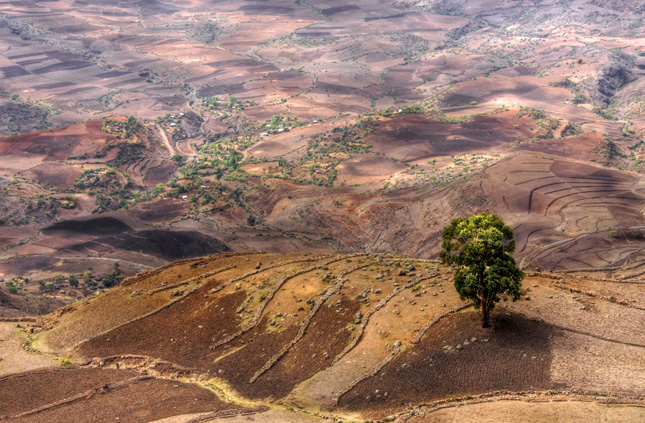
Wilson Center’s Lisa Palmer Launches ‘Hot, Hungry Planet’
›A steadily increasing global population, growing food demand, and changing climate necessitate new kinds of thinking in agriculture but also fields like public health and energy, concludes a new book, Hot, Hungry Planet, by former Wilson Center Public Policy Scholar and current Senior Fellow at the National Socio-Environmental Synthesis Center Lisa Palmer.
-
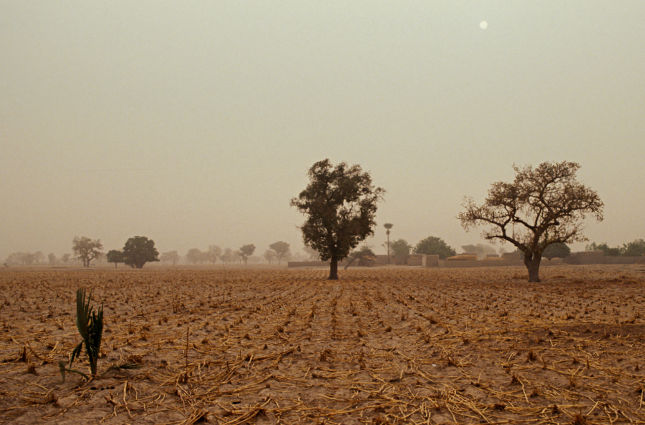
Risk, But Also Opportunity in Climate Fragility and Terror Link
›In a recent article for New Security Beat, Colin Walch made the case that the abandonment of some communities in Mali to deal with climate change on their own has created “fertile ground” for jihadist recruitment. In a similar argument, Katharina Nett and Lukas Rüttinger in a report for adelphi asserted last month that “large-scale environmental and climatic change contributes to creating an environment in which [non-state armed groups] can thrive and opens spaces that facilitate the pursuit of their strategies.”
-
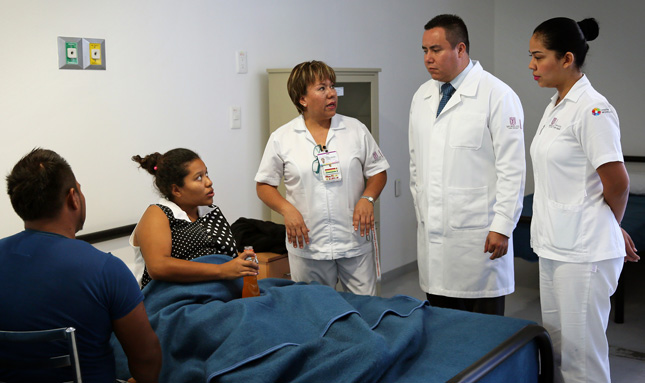
Too Much, Too Soon: Addressing Over-Intervention in Maternity Care
›For years, the primary approach to improving global maternal health was additive – to increase capacity to address shortfalls in clinics, doctors, supplies, information, and skilled care. Today, however, some women are experiencing issues related to the opposite problem: too much.
-
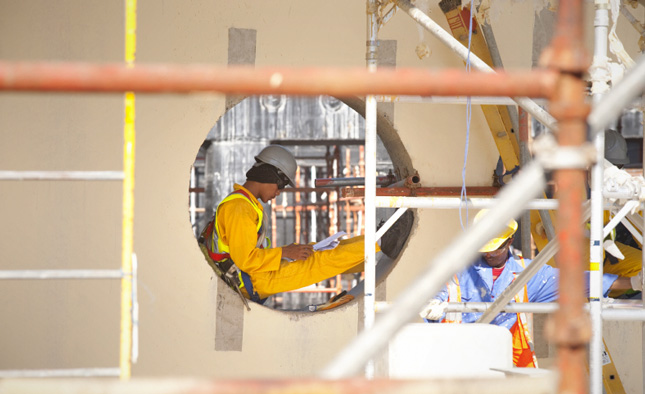
A Changing Environment Threatens Worker Safety and Productivity
›May 11, 2017 // By Sara MerkenThe implications for a warmer climate are many, but perhaps one of the most frequently overlooked is what it could mean for worker safety and productivity in certain sectors of the global economy.
Showing posts from category Asia.