-
The People vs. Pollution: Empowering NGOs to Combat Pollution with Environmental Law
›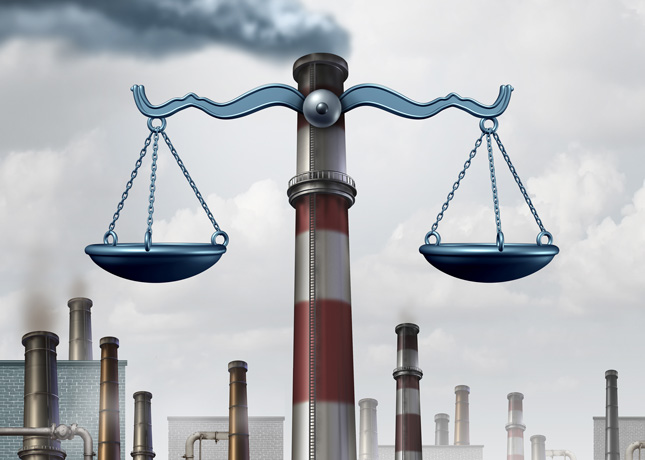
China is four years into its war on pollution, and while the skies over many of its cities are bluer and thousands of polluting industries have been closed, many challenges remain. According to China’s Ministry of Ecology and Environment, 16 percent of China’s soil is polluted, 239 of China’s 338 biggest cities failed to meet air quality standards in 2017, and 32 percent of China’s surface water is not clean enough to swim in. To confront these challenges, Chinese citizens and nongovernmental organizations (NGOs) are taking legal action to halt polluters, push local government to be more accountable, and strengthen enforcement of pollution laws—but most lack the legal experience and expertise needed to be successful. A series of workshops held by the Environmental Law Institute earlier this year sought to close this gap by training NGOs and legal professionals in China on best practices for environmental public interest litigation.
-
China’s Waste Import Ban: Dumpster Fire or Opportunity for Change?
›
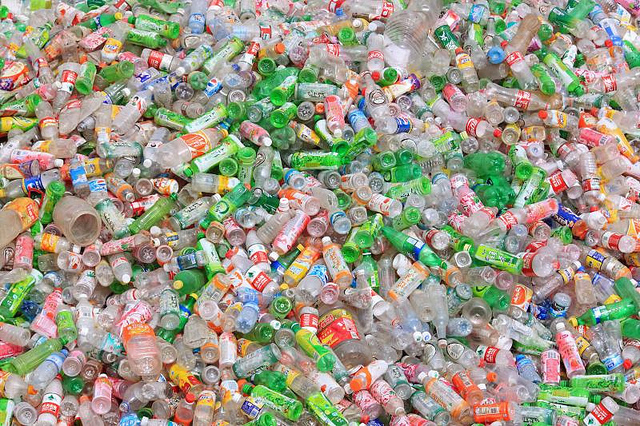
In early January of this year, China’s “National Sword” policy banned imports of non-industrial plastic waste. The ban forces exporting countries to find new dumping grounds for their waste, which is estimated to total nearly 111 million metric tons by 2030. China’s decision has exposed deep structural flaws and interdependencies in the global waste management system. Western countries that have long depended on China to take their garbage are now struggling to deal with mounds of plastic trash, while China lacks the low-priced labor needed to effectively sort and process waste.
-
Limited Water for Unlimited Development: Q&A With Shaofeng Jia
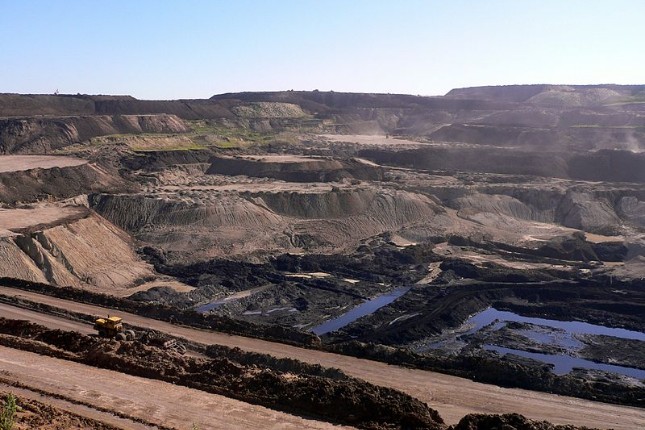
›A quarter of the coal that powers China’s economy is mined in Inner Mongolia, one of the country’s most water-scarce provinces with only slightly under two percent of China’s total water resources. The coal-rich city of Ordos, which produces nearly 70 percent of all the coal in Inner Mongolia, is bookended by expanding deserts—Kubuqi to the north and Maowushu to the south—and may one day run out of water and face a “Day Zero” like Cape Town in South Africa. Both the central and local governments are promoting a number of efforts to create new water supplies in Ordos, such as treating brackish waters and trading water rights. To learn more, the China Energy & Environment Forum recently interviewed Shaofeng Jia, the Deputy Director of Water Resources Research Center at the Chinese Academy of Sciences, who recently completed an extensive study on water-energy confrontations in Inner Mongolia.
-
Pangolins on the Brink as Africa-China Trafficking Persists Unabated
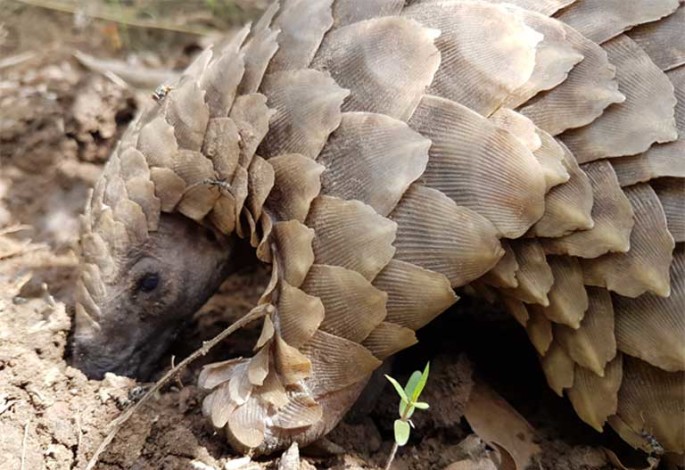
›Acting on a tip, Nigerian customs operatives raided an apartment in the southwest city of Ikeja in February. Inside, they found some 4,400 pounds of pangolin scales, and 218 ivory tusks—and arrested a Chinese suspect, Ko Sin Ying, who lived there.
A few months earlier, at the other end of a well-worn trade route, Chinese customs officials made the largest-ever seizure of pangolin scales in the port of Shenzhen. They discovered an “empty” shipping container that had come in from Africa—stuffed with 13 tons of scales. They were packaged in bags that camouflaged their true contents beneath a veneer of charcoal. That haul had killed an estimated 20,000 to 30,000 animals, each about as big as a medium-sized dog.
-
The Blockchain Revolution: Q&A with Kaikai Yang
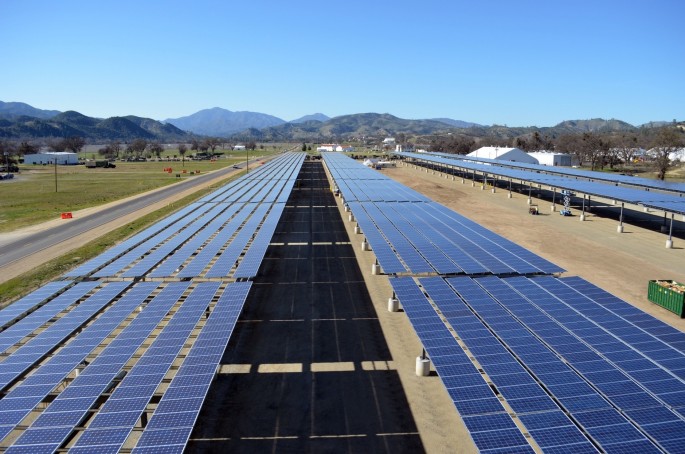
›Blockchain, the newest technology poised to revolutionize numerous industries, could help decentralize electricity systems across Asia, Europe, Australia and the United States. In Brooklyn, peer-to-peer microgrids allow prosumers—energy consumers who generate small amounts of electricity from renewable sources—to trade energy with other users. Blockchain technology provides distributed ledgers that validate, record, and share each transaction, using smart contracts that automatically execute energy trades when the price and volume of the electricity transaction meet the contracted requirements.
-
China Has Arrived in the Arctic: Q&A With Sherri Goodman
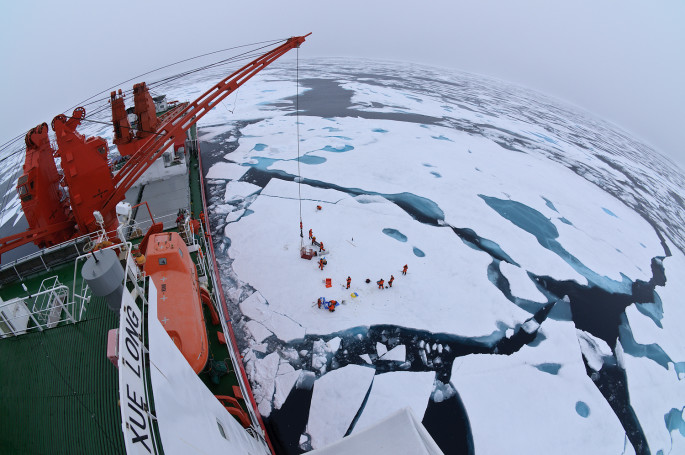
›To further its goals to strengthen the global economy, China has already invested $300 billion of its pledged $1 trillion towards its Belt and Road Initiative—a massive infrastructure investment plan that spans 60 countries across Southeast Asia, Central Asia, Africa, South Asia, the Middle East, and Eastern Europe. China’s initiative will shift the world’s political, environmental, and economic landscape.
-
Sponge City: Solutions for China’s Thirsty and Flooded Cities
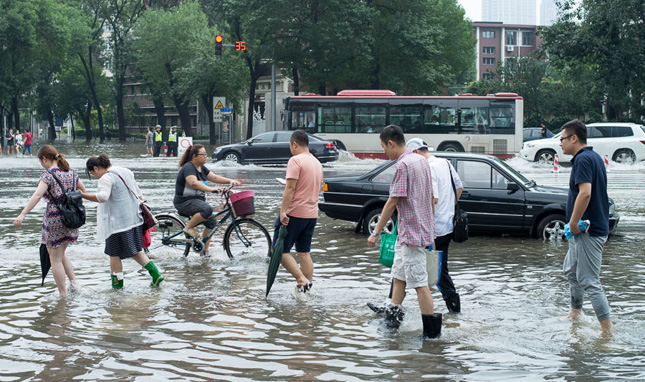
›On Wednesday, June 21, 2017, authorities in Beijing, Tianjin, and Hebei warned residents to prepare for a storm that could trigger flooding and possibly landslides. Flood warnings have become all too common in China: In 2013, more than 230 Chinese cities experienced floods. But Mother Nature is not entirely to blame; the cities’ outdated drainage systems are quickly overwhelmed and sprawling concrete gives stormwater runoff no place to go.
-
Citizen Science Is Making it Harder for China’s Biggest Polluters to Hide
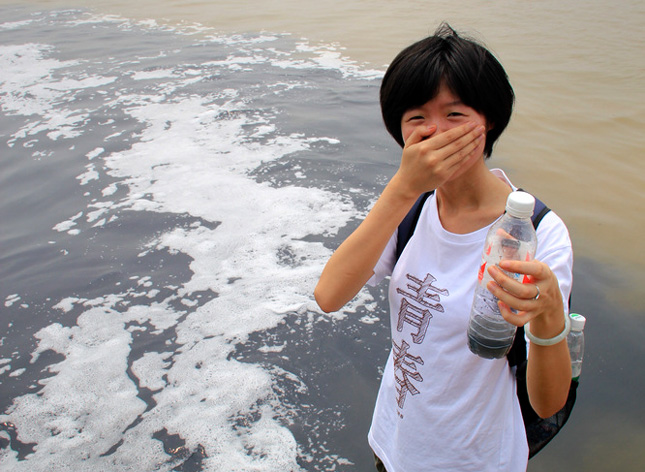
›In 2016, the Environmental Protection Agency charged its federal advisory committee with exploring how citizen science and crowdsourcing should be integrated into the agency’s mission. The resulting report eloquently describes how if the environment is to be protected then it’s the duty of all – the government, institutions, and citizens – to work together to achieve this.
Showing posts from category Asia.