-
Simmering Glacial Geopolitics: Upcoming Crises with Transboundary Water Cooperation on Asia’s Back Burner
›
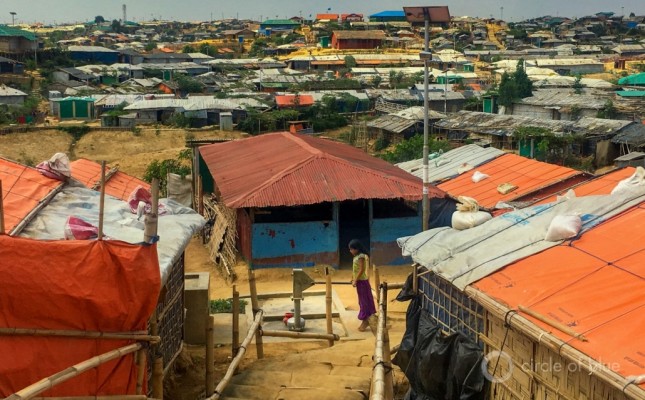
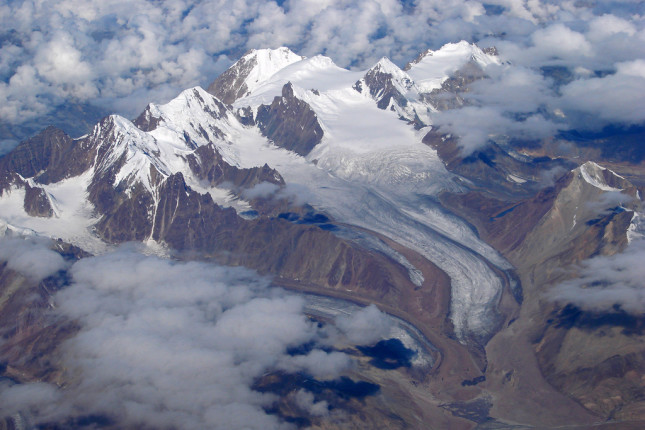
People’s lives and livelihoods are at stake if China does not cooperate with its regional neighbors over downstream effects of the Tibetan plateau’s glaciers. The Hindu Kush Himalayas’ (HKH) numerous glaciers are known as the “Water Towers of Asia” and the “Third Pole.” Over 1.9 billion people depend on water systems that stem from HKH glaciers. Climate change will fundamentally alter the hydrology of the water basins—killing or displacing thousands of people as the changes unfold. Asia cannot continue with national or bilateral plans being the primary climate change adaptation strategies: basin-wide cooperation is essential. Unfortunately, conflicts and simmering disputes in the region make this a staggering goal to achieve.
-
Universal WASH Gains Traction Even as Hand Pumps Lose Ground: Troubled Water Supply Systems in Africa Spur Demand for New Technology
›
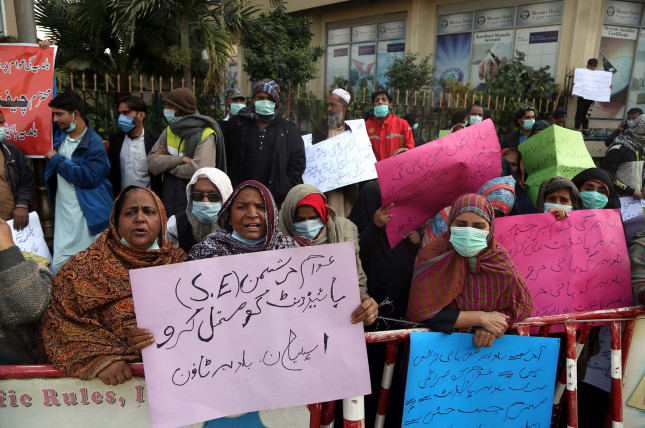
With their blocky stamped metal heads and long arms, the India Mark II and Afridev hand water pumps are hardly aesthetically appealing. What matters is their design. That is, how well do they work?
Introduced in the 1980s, manufactured by the millions, and installed in communities across Africa and Asia, the two hand pumps are the most popular tools for lifting water to the surface from rural underground reserves. In that capacity, the two pumps occupy prominent space in the WASH sector’s long-running and formative debate over whether the global campaign is succeeding or slipping in the effort to attain universal access to clean water, sanitation, and hygiene.
-
Why Water Conflict is Rising, Especially on the Local Level
›That future wars will be fought over water, rather than oil, has become something of a truism, particularly with regard to the Middle East. It’s also one that most water experts have refuted time and time and time again. But while this preference for cooperation over conflict may (and emphasis on may) remain true of interstate disputes, this blanket aversion to the ‘water wars’ narrative fails to account for the rash of other water-related hostilities that are erupting across many of the world’s drylands. As neither full-on warfare nor issues that necessarily resonate beyond specific, sometimes isolated areas, these ‘grey zone’ clashes don’t seem to be fully registering in the broader discussion of water conflicts. In failing to adequately account for the volume of localized violence, the world is probably chronically underestimating the extent to which water insecurity is already contributing to conflict.
-
We Must Address Exotic Wildlife Consumption to Avoid the Next Global Pandemic
›A suspect in the transmission of Covid-19 to humans, pangolins are the most trafficked animal in the world despite the ban on trade by the Convention on International Trade in Endangered Species of Wild Flora and Fauna (CITES). Currently on the Red List of the International Union for Conservation of Nature (IUCN), pangolins are armadillo-looking mammals found in Asia and Africa but are more closely related to cats and dogs. Humans hunt them for their scales used in traditional medicine and the fashion industry and for their meat, which is considered a delicacy. Asian pangolins have become critically endangered, and poachers have turned to trafficking African species, most destined for China and Vietnam. According to TRAFFIC, a leading non-governmental organization working on wildlife trade, twenty tons of pangolins are trafficked each year, putting them on the fast track to extinction.
-
Fisheries Management: A Possible Venue for Navigating Fisheries Conflicts in the Indian Ocean
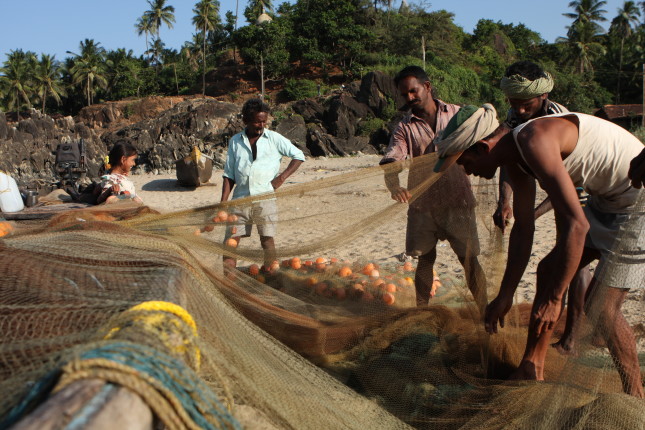
›A significant increase in fisheries-related conflicts in the Indian Ocean since 2000 is heightening regional tensions. These conflicts have ranged from purely verbal and diplomatic disputes to armed attacks on fishing vessels by coast guards and navies. These disputes are most often low-intensity, but constitute true “wild card” scenarios in which competing powers’ navies reach the brink of engagement due to the actions of third parties that they neither command nor control.
-
Where Do the Plastic Miners Go When the “Mine” Disappears?
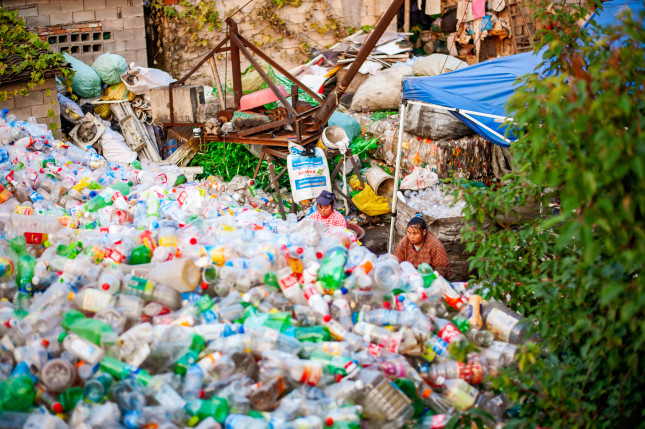
›Usually after dinner, Mr. Ma would take off his shirt, shut the door, and begin work making plastic pellets from scrap. But tonight, he sits in his darkened yard staring at two SUV-sized plastic processing machines and a bundle of colorful scrap plastic. No lights are on, no machines grind, and no familiar theme song of CCTV-1 plays in the background. Walking through other villages in Wen’an County, more men meander around their yards filled with the same idle processing machines and mini-mountains of scrap plastic. Most have never studied English, but they are fluent in the language of plastics, sprinkling words like ABS, PP, and PVC into their conversations. They are the owners of small plastic scrap recycling workshops that were once booming—but are now silent.
-
China’s Race to Develop Autonomous Vehicles
›Autonomous vehicles (AVs) are revving up in China. As part of the 2018 CCTV Spring Festival Gala, more than one hundred AVs swerved perfect 8’s on the Hong Kong-Zhuhai-Macao Bridge, showcasing Baidu Apollo’s latest AV technology. China is a latecomer to the automotive industry, but it is taking the wheel in autonomous driving technologies and electric and hydrogen cars, viewing the sector as an unprecedented opportunity to play catchup with the rest of the world (See China Environment Forum webinar on China’s new energy vehicle trends below). Companies in China and around the world want to tap into the lucrative autonomous technology market that could reach $2.3 trillion by 2030.
-
Snow and Ice Melt Patterns Help Predict Water Supply for Major Asian River Basins
›“For the longest time we thought that water was forever renewable and that it would always be there,” said Gloria Steele, Acting Assistant Administrator for Asia with USAID, at a recent Wilson Center event on water security in High Asia. “We now know that is not the case, and we need to protect it and manage it effectively.”
Showing posts from category Asia.