-
Reconsidering Arctic Resilience: Community Bonds and Coping with Change
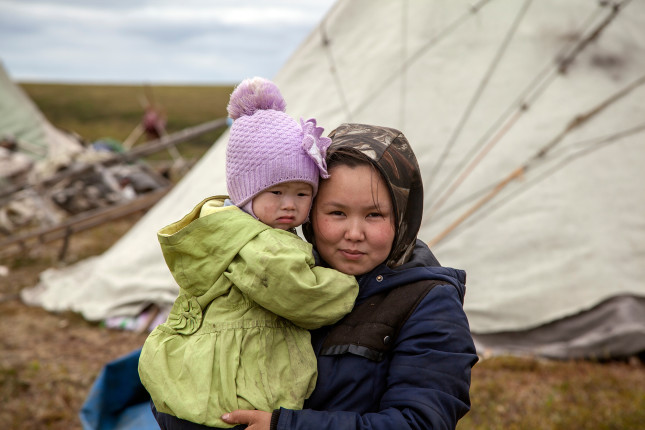
›Guest Contributor // February 11, 2026 // By Nadezhda Filimonova, Anngelica Kristoferqvist, Åsa Andersson, Francis Joy & Katariina Vuori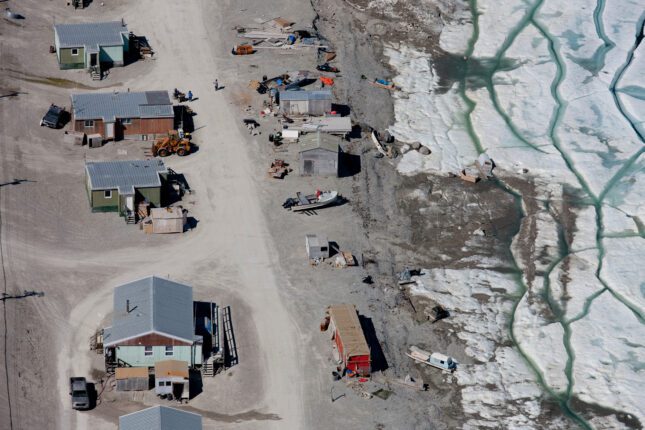
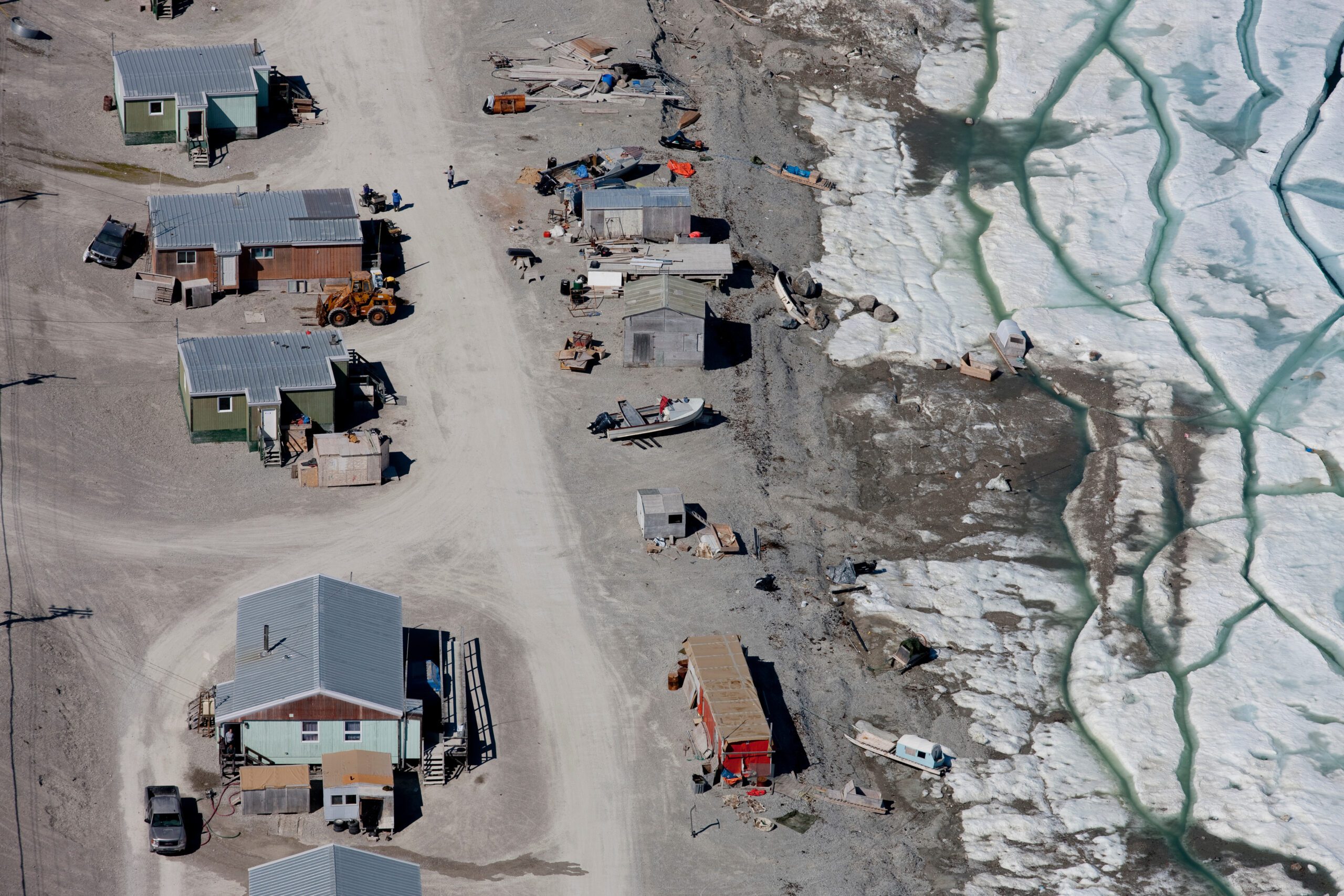
President Donald Trump’s revived interest in buying Greenland attracted worldwide attention to the Arctic and triggered renewed geopolitical discussions about the region. These policy and academic debates mainly focus on traditional military threats and protecting national interests linked to great power rivalries—specifically a broader global competition involving the USA, Russia, and China.
-
ECSP Weekly Watch | September 3 – 6
›
A window into what we’re reading at the Wilson Center’s Environmental Change and Security Program
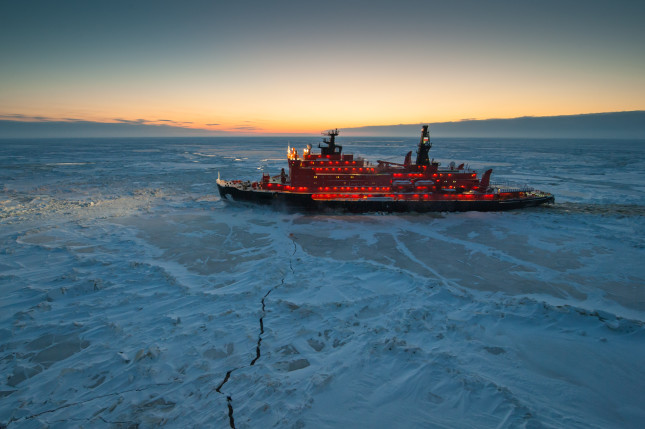
Proliferation of Icebreakers in the Arctic (Foreign Policy)
As climate change-induced melting of ice sheets clears new pathways, the fast-melting Arctic now has a new strategic race: icebreakers. Russia covers over half of what is defined as “Arctic” territory, and it has the largest number of icebreakers in the region. Russia’s attempt to consolidate and expand has led the US and its NATO allies to redefine their own Arctic security strategy.
-
Navigating the Arctic’s 7Cs
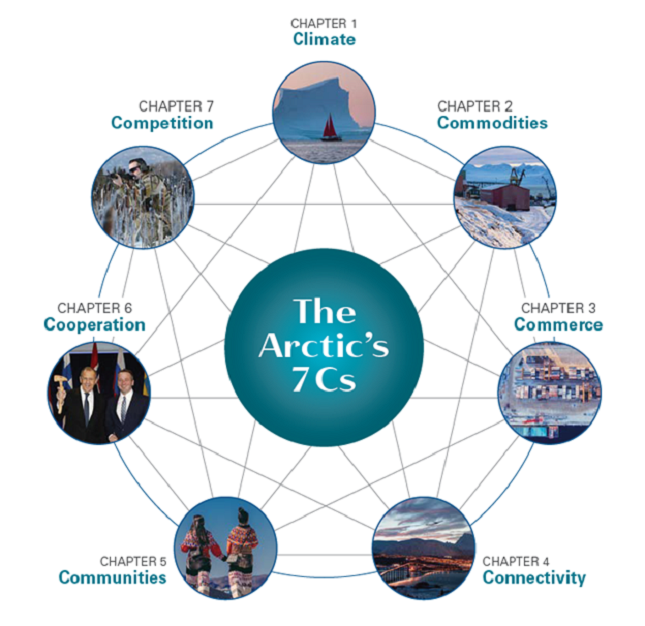
› “It seems incumbent upon the Arctic policy community to identify the most pressing issues to address in the region while simultaneously, effectively and creatively communicating their complexities and interrelated nature,” writes Mike Sfraga, founding director of the Wilson Center’s Polar Institute, in a new Wilson Center monograph, Navigating the Arctic’s 7Cs. Policy priorities in the Arctic boil down to climate, commodities, commerce, connectivity, communities, cooperation, and competition, writes Sfraga. The “7Cs” provides a framework that policymakers can use when engaging in Arctic affairs.
-
Arctic Security Redefined: Human Security Through an Arctic Urban Lens
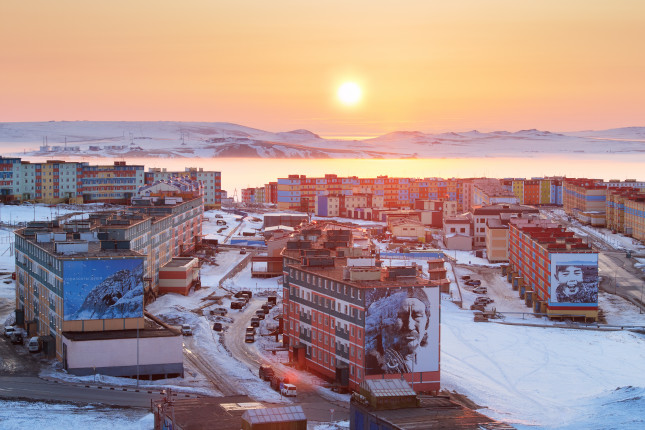
›“We are so few, we have no one to lose,” said Christina Henriksen, the president of Saami Council, during an interview on Coronavirus in the Arctic. The COVID-19 pandemic highlights the vulnerability of Arctic residents and the longstanding challenges related to the lack of sanitization, social infrastructure, and health service capacities. The impacts of the pandemic are coupled with the potential negative effects of climate change, including a 3-5 °C temperature increase projected over the Arctic Ocean by 2050.
-
How U.S. Arctic Policy and Posture Could Change Under President-elect Biden
›Truth, trust, and transparency are key aspects to sound and sustainable governance of the Arctic, said Ulf Sverdrup, Director of the Norwegian Institute of International Affairs. He was one of a panel of experts who spoke on Nov. 30 at “The Arctic in a Post-Election World,” the first event in a two-part series sponsored by the Wilson Center’s Polar Institute.
-
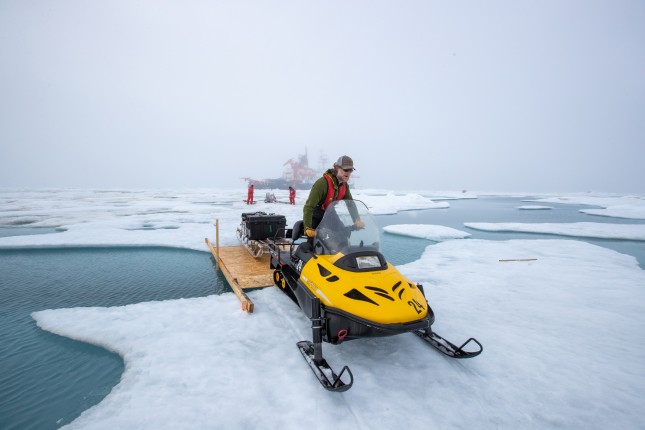
Largest Polar Expedition Ever Seeks to Explain Shrinking Arctic Sea Ice
›“If you’re a sea ice person, MOSAiC is the kind of experiment that you just live for,” said Don Perovich, a Dartmouth College researcher with the Multidisciplinary drifting Observatory for the Study of Arctic Climate. “It’s the kind of experiment you dream about. It’s an opportunity to spend a whole year on the ice, just watching how a floe evolves over time.” He spoke at a recent event sponsored by IARPC Collaborations, an Interagency Arctic Research Policy Committee (IARPC) member space where scientists and others involved in Arctic research share knowledge and resources. The researchers on the expedition, said Perovich, aimed to collect data that would shed light on the causes and consequences of the evolving and diminished Arctic sea ice cover. MOSAiC’s mission was to facilitate a breakthrough in understanding the Arctic climate system and improve the world’s climate and weather forecasting models.
-
Sharon Guynup, Mongabay
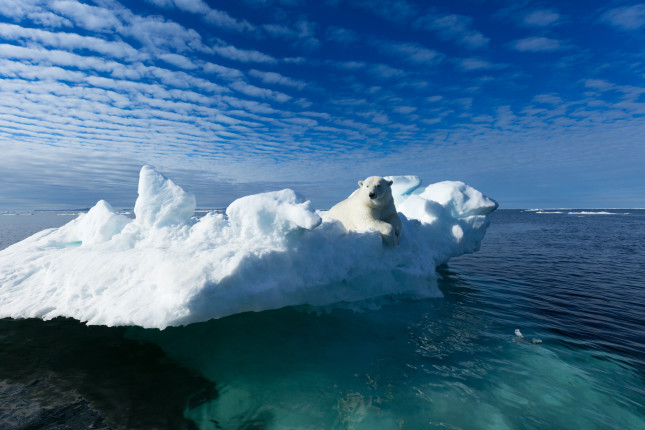
Brave New Arctic: Sea ice has yet to form off of Siberia, worrying scientists
›At this time of year, in Russia’s far north Laptev Sea, the sun hovers near the horizon during the day, generating little warmth, as the region heads towards months of polar night. By late September or early October, the sea’s shallow waters should be a vast, frozen expanse.
But not this year. For the first time since records have been kept, open water still laps this coastline in late October though snow is already falling there.
-
The Impacts of Climate Change on Alaska Native Maternal Health (Part 1 of 2)
›Dot-Mom // Navigating the Poles // October 14, 2020 // By Deekshita Ramanarayanan, Marisol Maddox, Bethany Johnson & Michaela StithEach year, 700 women in the United States die as a result of pregnancy-related complications. In fact, the United States has the highest maternal mortality ratio of all high-income countries—16.7 maternal deaths per 100,000 live births. For Indigenous/Alaskan Native women, that number is even higher: Indigenous/Alaska Natives are 2.3 times more likely to die from pregnancy-related complications than their white counterparts. While recent years have seen growing national attention to the U.S. maternal mortality crisis, research and advocacy for Indigenous peoples’ maternal health in the United States has been limited. This research gap includes the Alaskan Native peoples—Iñupiat, Yupik, Aleut, Eyak, Tlingit, Haida, Tsimshian, and multiple Diné tribes.
Showing posts from category Arctic.