-
Watch: Richard Cincotta on Political Demography and Unrest in the Middle East
›March 9, 2011 // By Schuyler Null“Countries that have a high proportion of young people are typically more prone to political violence,” said demographer-in-residence at the Stimson Center, Richard Cincotta, in this interview with ECSP. “That is, not necessarily international war [but] internal conflict, which may take different forms,” including civil and ethnic strife, domestic terrorism, and violent political demonstrations.
The role of unemployed and angry youths in the recent unrest that has swept the Middle East has received a great deal of coverage, but though the region in general is very young, some countries are more so than others.
Tunisia (median age of 29) is actually well into its demographic transition, where fertility declines towards replacement level. “Fertility – the number of children women have in their lifetime – is now lower than it is in the United States,” said Cincotta. As a result, Tunisia’s prospects for achieving a stable, liberal democracy – based on the historical relationship between age structure and political freedoms (see Cincotta’s full post on Tunisia and the two follow-ups for a more complete treatment of that relationship) – are about even.
In contrast, Egypt’s age structure remains young (median age of 24) and Yemen’s (median age of 17) is extremely young. “Those difference are very stark,” said Cincotta, and they play out in the risk of political violence: Tunisia is less likely to experience continuing political violence; Egypt, more so; and Yemen, even more likely.
The relationships between age structure and political violence and the emergence of democratic institutions can be useful in other conflict-prone regions as well. “Afghanistan, Pakistan, Iraq, the Palestinian Authority, most of the central band of sub-Saharan Africa – from Nigeria to the Congo, to Kenya and Ethiopia – we know that these countries are volatile, we’re not always sure why,” said Cincotta. But “age structure gives you a clue, because it tells you something about a lot of barriers that are important to development.”
Sources: UN Population Division. -
World Bank Pipeline Project in Chad Reveals Development Challenges
›
This scholar spotlight was originally featured in the Wilson Center’s Centerpoint, February 2011.
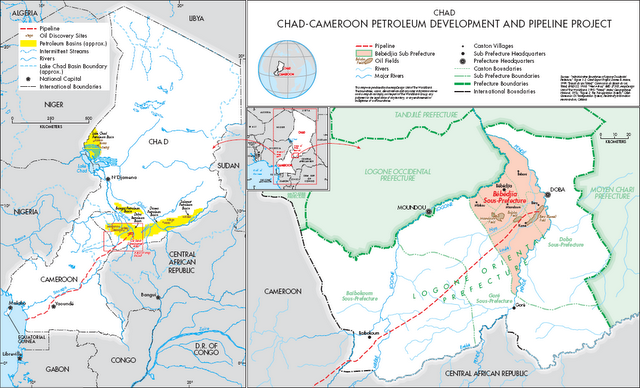
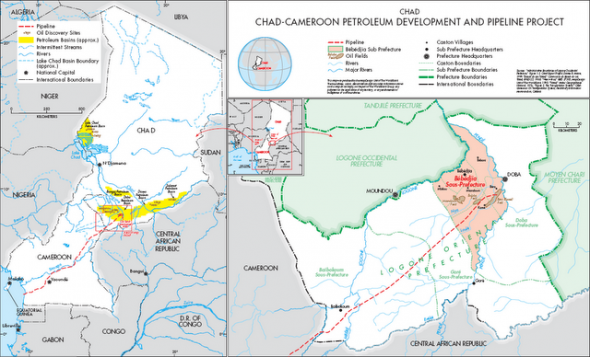
In 2000, the governments of Chad and Cameroon teamed up with a three-company oil consortium, with the help of a World Bank loan, to begin building an oil pipeline. By 2003, oil revenues were flowing. This multi-billion dollar pipeline project, which transports oil from Chad through a 640-mile underground pipeline in neighboring Cameroon, is one of Africa’s largest public-private development projects.“Unfortunately, the project fell short on its social and development-oriented objectives,” said Wilson Center Fellow Lori Leonard.
One of the World Bank’s conditions on granting the loan was compensation for the involuntary resettlement this project would cause. However, Leonard said, the World Bank failed to understand, or take into account, social norms around land use and property relations.
“The compensation plan introduced the idea of private property but there was no institutional or legal framework for it,” she said. “This led to a flood of disputes over land and created breaks in the social safety net and societal fabric in Chad.” Uprooting people led to unprecedented problems, from the loss of land and livelihoods to disputes over compensation payments.
The reality was that in Chad, one of the world’s poorest countries, about a quarter-million people were affected. “People in the oilfield region, like people everywhere, are deeply attached to the place where they live – tied to their land,” Leonard said. Suddenly, their property became monetized. “They were asked to think differently about crops, trees, kitchen gardens, everyday objects,” as everything was given a monetary value.
But all the land was populated so there was nowhere to move to and no other trade or skill to easily adopt. “The pipeline project did not create a local economy, that could absorb people who became land poor,” she said.
The World Bank, which withdrew from the project in 2008 when Chad paid off the loan, accused Chad of misspending oil revenues, but that is just part of the story, said Leonard. The problem is not purely economic. “The economy is not outside of society,” Leonard said. “[This project] put a market value on everyday objects and that reshapes societal relations. And it raises the ethical question: ‘How do I live now?’”
In Chad, a largely agrarian economy, large parcels of land became oil fields, wells, and pumping and collection stations.
“Fields were taken or divided up into small fragments and the people wonder what to do next,” said Leonard. “Fertility rates are high and each successive generation will have to divide up [smaller and smaller amounts of] land. And there is already incredible pressure on the land now. The soil is poor but there is not enough [viable land] to leave land fallow.”
Leonard, who teaches at the Bloomberg School of Public Health at Johns Hopkins University, first came to Chad as a Peace Corps volunteer during the post-civil war reconstruction period in the late 1980s.
“From the time of independence, oil was the promise of the future,” she said. “The lessons the World Bank learned do not inspire confidence that it would be different the next time around. We need a fundamental shift in this development model.”
Dana Steinberg is the editor of the Wilson Center’s Centerpoint.
Photo Credit: “Chad-Cameroon Petroleum Pipeline Development Project,” courtesy of the World Bank. -
Sam Rugaba, PHE Champion
Encouraging Childhood Education and Birth Spacing as an Approach to Conservation
›
This PHE Champion profile was produced by the BALANCED Project.
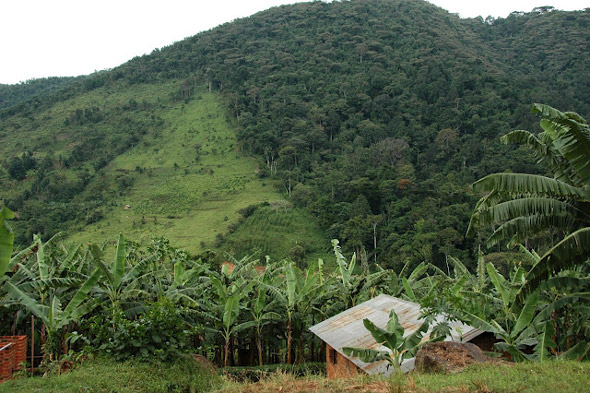
Fifty-one-year-old Sam Rugaba is a dedicated teacher who loves his job at the Bujengwe Community Primary School. The school is the result of a community-based project located in the Bujengwe Parish of the Kayonza subcounty in the Kanungu district of Uganda – just 18 kilometers from the Bwindi Impenetrable National Park (BINP). The biodiversity-rich BINP is home to many rare species including the endangered mountain gorilla. Sam is also a Conservation Through Public Health(CTPH) community volunteer and community conservation health worker. -
Mapping Demographics in WWF Priority Conservation Areas
›February 25, 2011 // By Hannah Marqusee“The developing world is urbanizing at a dizzying pace,” yet rural populations living in developing countries are also rapidly increasing, threatening many of the planet’s most biodiverse regions, says a new study, Mapping Population onto Priority Conservation Areas, by David López-Carr, Matthew Erdman, and Alex Zvoleff.
Using comprehensive data from the USAID-sponsored Demographic Health Surveys (DHS), the researchers analyzed population, mortality, and fertility indicators for 10 of the 19 priority places for conservation identified by the World Wildlife Foundation (WWF). These biological hotspots represent parts of 25 countries throughout South Asia, sub-Saharan Africa, and South America, including the Democratic Republic of the Congo, Colombia, Guatemala, Indonesia, Kenya, Nepal, Madagascar, and Thailand.
Urban vs. Rural
The findings confirmed the researchers’ hypothesis that rural areas within WWF priority regions are at a lower state of demographic transition than their urban counterparts, meaning they have higher fertility and infant mortality rates and a younger age structure due to poor access to primary health care, including family planning. Furthermore, women in these regions desire more children than those in urban, non-priority areas, but experience a greater difference between ideal and actual number of children.
For many of the indicators, the differences between urban and rural, and priority and non-priority, regions of the developing world are striking. In urban Asia, the mean predicted population doubling time is 86.1 years; in rural Africa it is only 24.6 years. Urban Asia and South America also have total fertility rates of 1.8 children per woman, while rural Africa’s is 5.2. Infant mortality also ranged from a low of 20 deaths per every 1,000 births in some developing urban areas, to over 100 in rural parts of Coastal East Africa. In the developed world it is less than 10.
There is also consistently less desire among women in priority areas to limit their childbearing. Worldwide, 49.4 percent of women living within priority areas want to limit childbearing, compared to 56.2 percent outside priority areas.
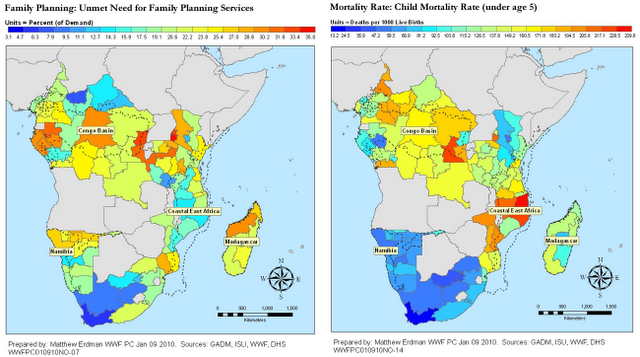
Rural areas in all regions had the highest unmet need for family planning, with the exception of the Congo Basin, where high infant mortality has persisted and dampened women’s desire to limit childbearing. “If much needed health services were provided in the Congo Basin, along with family planning services, child survival rates would increase, and couples would be more inclined to limit overall births,” the study says.
Lower demand for family planning in priority areas is consistent with Caldwell’s theory of intergenerational wealth flows, the paper noted, which explains how in rural agricultural societies, children are economic assets who move wealth to their parents. As countries develop and people gain access to education, healthcare and female empowerment, wealth flows reverse and children become financial burdens. This transition decreases fertility and increases demand for family planning.
Setting Priorities
As WWF plans to scale up its population, health and environment (PHE) programs, this study will help to prioritize places within priority areas that are most in need of PHE intervention and “are most likely to help alleviate negative environmental and social impacts of rapid population growth.” The results of this study show that many areas are ripe for such intervention:Nearly a quarter of households in Coastal East Africa and the Mesoamerican Reef wish to have access to contraception yet their desire remains unfulfilled. Similarly, households within priority places in Coastal East Africa, the Mesoamerican Reef, Amazon and the Guianas, and the Eastern Himalayas wish to have nearly one child fewer than they currently have.
The findings of this study have already informed the planning of several of WWF’s projects in Madagascar and Namibia.
The limited availability and detail of the DHS data was the primary limitation of the study, the researchers noted. The 25 countries examined did not fully cover all WWF’s priority areas – 17 other countries within the priority areas lacked sufficiently comprehensive data for the study. Furthermore, the district or municipality was the smallest unit of analysis possible with DHS data, making it difficult to exactly pinpoint priority communities.
“Geography matters,” write the authors. “Only with further refined data accompanied by qualitative on-the-ground field research can we credibly answer remaining questions.”
Image Credit:“Family Planning: Unmet Need for Family Planning Services” and “Mortality Rate: Child Mortality Rate (Under Age 5)” courtesy of World Wildlife Fund.
Sources: Population Council, World Wildlife Fund. -
Ruth Siyage, PHE Champion
Promoting Family Planning and Livelihoods for a Healthy Environment in Uganda
›This PHE Champion profile was produced by the BALANCED Project.
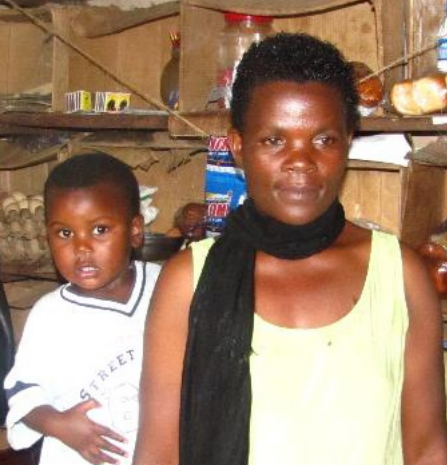
Meet 32 year old Ruth Siyage – a wife, mother, peasant farmer, shop owner, and population, health, and environment (PHE) champion. Ruth, her husband, Siyage Benon, and their three healthy daughters – ages 3, 6, and 11 – live about an hour from Bwindi Impenetrable National Park (BINP) in Uganda’s Kanungu District. The 33,000-hectare BINP is a World Heritage Site known for its exceptional biodiversity – with over 200 species of trees, 100 species of ferns, 350 species of birds, 200 species of butterflies, as well as many endangered species, including the mountain gorilla.
In addition to being a peasant farmer who grows potatoes, millet, beans, and groundnuts to feed her family, Ruth also has a small shop in the nearby trading center where she sells groceries and interacts with most of her friends. Ruth first learned of and embraced the PHE approach through a neighbor and local community volunteer, Mrs. Hope Matsiko – one of 29 PHE volunteers trained by the Conservation Through Public Health (CTPH) programs.
Ruth recalls:Hope used to approach us and tell us about family planning. Others refused to listen, but I took it up. Before, I used to refuse to go to Kajubwe Health Center for services and never got information because it was so far away. However, when Hope, the local volunteer, who is also my neighbor, visited me at home, I got more information about family planning. She also counseled me on the methods I could use, which was best for my health and how to use it. I now use family planning.
As a new champion, Ruth uses several ways to teach her community about family planning and PHE activities. One way is through face-to-face discussions with individuals attending village meetings. She focuses on women she sees often and who she knows have closely-spaced pregnancies. Recently, three of these women started using modern contraceptives.Ruth also spreads her PHE messages through her work with the local women’s association, Kishanda Bakyara Twebiseho (Kishanda Women Livelihoods Association), as an active member of a local church, and as a local village council member. In the council, she is in charge of teaching about agriculture and the environment – a perfect opportunity to share her PHE messages about the linkages between population, health, and the environment. Ruth is a great model of the benefits of taking a PHE approach, with her well-spaced pregnancies – which have helped ensure her own reproductive health and that of her three daughters – and her teaching of others, from what she now knows about the need to keep ourselves and our environment healthy to the impacts of each on the other.
Ruth says she believes that through a PHE approach much can be done and has been done:By teaching people about safe water use, I believe that we can stop diarrhea diseases. And by teaching about sanitation, we can help prevent diseases such as malaria, tuberculosis, and worms. Now my neighbors seldom get sick. We have a fairly healthy life. When we are not sick, we do not have to sell our goats and land to buy medicine. And when we plan our families, we are better able to care for and educate our children. Through our community sensitization, people now even understand the importance of gorilla conservation.
Ruth is especially appreciative of the CTPH program, which first taught her about and then turned her into an advocate for the integrated PHE approach.
This PHE Champion profile was produced by the BALANCED Project. A PDF version can be downloaded from the PHE Toolkit. PHE Champion profiles highlight people working on the ground to improve health and conservation in areas where biodiversity is critically endangered.
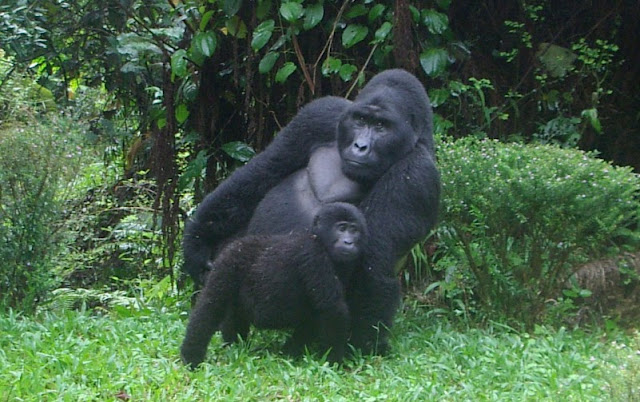
Photo Credit: Silverback mountain gorilla named Mwirima with a juvenille gorilla from the Rusguguar group near Bwindi Impenetrable National Park, and Ruth and her son in their shop in rural Uganda, courtesy of CTPH. -
Climate-Induced Migration: Catastrophe or Adaptation Strategy?
›February 11, 2011 // By Kayly OberThe claims on climate change-induced migration have often been hyperbolic: “one billion people will be displaced from now until 2050”, “200 million people overtaken by…monsoon systems…droughts…sea-level rise and coastal flooding”, “500 million people are at extreme risk” from sea-level rise. However, hard data is difficult to come by or underdeveloped. The International Institute of Environment and Development (IIED) have set out to fill this gap with their newest publication, “Not Only Climate Change: Mobility, Vulnerability and Socio-Economic Transformations in Environmentally Fragile Areas of Bolivia, Senegal and Tanzania.” As the title suggests, the author, Cecilia Tacoli, traveled to Bolivia, Senegal, and Tanzania in order to see how environmental change affects migration patterns in real world case studies. What she found was a bit more nuanced than the headlines.
Case Studies: Bolivia, Senegal, and Tanzania
Despite existing predictions of doom and gloom, the report found that there has been no dramatic change in mobilization in each community, even in the face of recurring droughts. Instead, those who rely heavily on agriculture for subsistence have turned to seasonal or temporary migration. While previously considered a last resort, moving locally from rural to urban areas has become more common. The motivation for following this option, however, seems to be couched more in socio-economic concerns and only marginally exacerbated by the environment.
“All the case study locations,” writes Tacoli, “are in areas affected by long-term environmental change (desertification, soil degradation, deforestation) rather than extreme weather events. However, in the majority of locations residents identify a precipitating event – a particularly severe drought, an epidemic of livestock disease, the unintended impact of infrastructure – as the tipping point that results in drastic changes in local livelihoods. In all cases, socio-economic factors are what make these precipitating environmental events so catastrophic.”
Practical Policy Prescriptions
Although the report finds that the environment wasn’t currently the main driver of migration in Bolivia, Senegal, or Tanzania, it acknowledges that it may play a larger role in the future: “Environmental change undoubtedly increases the number of people mobile,” Tacoli told BBC News. “But catastrophe like droughts and floods tend to overlap with social and structural upheaval, like the closure of other sources of local employment that might have protected people against total dependence on the land.”
As such, Tacoli suggests treating migration as a practical adaptation strategy rather than a problem. “The concentration of population in both large and small urban centers has the potential to reduce pressure on natural resources for domestic and productive uses,” she writes.
For example, Tacoli argues that the resulting remittances and investments from migrants in urban centers fuel “a crucial engine of economic growth” in smaller towns where land prices are cheaper. This, in turn, creates further employment opportunities.
The report also encourages policymakers to focus on local interventions, such as ensuring more equitable access to land, promoting the sustainable management of natural resources to reduce vulnerability, and investing in education, access to roads, and transportation to markets. These programs would help diversify and bolster non-agricultural livelihoods, thus reducing to the risks of climate variability.
“Local non-farm activities,” writes Tacoli, “can be an important part of adaptation to climate change for the poorer groups, and the nature of the activities can contribute to a relative reduction in local environmental change.”
Avoiding Backlash
Tacoli points out that “by downplaying political and socio-economic factors in favor of an emphasis on environmental ones, alarmist predictions of climate change-induced migration can result in inappropriate policies, for example forced resettlement programmes, that will do little to protect the rights of those vulnerable to environmental change.”
However, Tacoli is careful not to over-extend her policy prescriptions. In an email to the New Security Beat she emphasized that the case studies were not intended to be representative:The emphasis is on the need to have a detailed understanding of the local context – socio-economic, cultural and political – to understand the impacts of climate change on migration and mobility…Generalizations are not usually helpful for policy-making, and a grounded understanding of the local factors that influence livelihood responses (of which mobility and migration are one aspect) is certainly a better starting point. The aim of the report is to contribute to the building of collective knowledge on these issues, rather than provide a definitive account.
Sources: BBC News, Christian Aid, Commission on Climate Change and Development, Global Humanitarian Forum, Organization for Security and Co-operation in Europe.
Photo Credit: “Villager in Tanzania,” courtesy of flickr user vredeseilanden. -
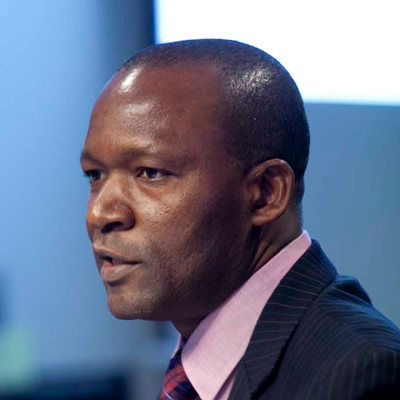
Eliya Zulu on Population Growth, Family Planning, and Urbanization in Africa
›“The whole push for population control or to stabilize populations in Africa in the ’70s and the ’80s mostly came out of the West,” said Eliya Zulu of the African Institute for Development Policy (AFIDEP) in this interview with ECSP. Then new research brought to light the fact that many women in Africa actually wanted to control their fertility themselves, but they didn’t have access to family planning.
“It kind of put the African leaders who really didn’t want to talk anything about fertility control and so on in a fix,” Zulu said. “Because all of sudden now it was the African women themselves who are saying we need these services – it was not an imposition from the West.”
Based in Nairobi, Kenya, Zulu said that part of what he does at AFIDEP is “try to get African countries to think about the future.” Current economic growth in parts of Africa simply can’t match population growth, but improving access to family planning and child/maternal health infrastructure can greatly reduce fertility rates – and quickly.
“The question for Africa is: Are we going to be ready? And we need to prepare,” said Zulu. “For that to happen it’s not just about saying ‘let’s have fewer children.’ I think we also need to do this from a social developmental perspective where we also look at ways in which we can improve the quality of the population, empower women, invest in education, and so on.”
Four Factors of Success
There are several factors that are critical for successful family planning and child/maternal health efforts, said Zulu: strong political leadership, sustained commitment over time, financial investment (research has shown that over 90 percent of women in sub-Saharan Africa cannot afford contraceptives), and strong accountability mechanisms for monitoring performance of programs and use of resources.
“There are a number of countries that have shown that, even with the limited resources that Africa has, that with all the problems that Africa has, if you really emphasize those four factors that I mentioned, you can actually achieve very, very positive results,” Zulu said.
Rapid Urbanization and the Growth of Urban Poverty
Rapid urbanization is one of Africa’s biggest challenges, said Zulu. “Africa is the least urbanized region of the world now, but it’s growing at the highest rate.” If you look at historical examples from the West and Asia, “urbanization is supposed to be a good thing; urbanization has been a driver of economic development,” he said, but “the major characteristic of urbanization in Africa has been the rapid growth of urban poverty.”
“If the economies are not going to develop the capacity to absorb this population and create enough jobs for them, there’s going to be chaos, because you can’t have all these young people without having jobs for them,” said Zulu. “The challenge for many African governments is how to have sustainable urbanization and how to transform our cities into agents of development.”
The “Pop Audio” series is also available as podcasts on iTunes. -
Portraits of Women From Afghanistan to the DRC
A Conversation on Art and Social Change
›“At the core of human rights and artistic behavior is respect for human dignity. It is this that unites art and justice,” said Jane M. Saks, executive director of the Institute for the Study of Women and Gender in the Arts and Media, speaking at an event cosponsored by the Environmental Change and Security Program and the Africa Program at the Woodrow Wilson Center. Lynsey Addario, MacArthur-winning photographer and former Institute fellow, joined Saks to share striking photographs highlighting the effects of conflict on women and girls around the world. [Video Below]
The Power of Art
“Art is inherently political because it has the power to really engage in social justice,” Saks said. The Institute that she helped found promotes art that pushes boundaries and creates conversations about peace and war, so as to “add to the accepted canon of understanding of conflict.” As part of this effort, the Institute created the exhibition, “Congo Women: Portraits of War,” composed of photographs by Addario and others about violence against women in the eastern Democratic Republic of Congo (DRC).
Saks hopes that these “photographs saturated with human dignity” will create awareness and, ultimately, influence policy about the conflict in the DRC. The exhibition has traveled to more than 20 locations since its opening. In May 2009 it was installed at the Senate Rotunda during the Senate Foreign Relations Committee hearings on violence against women in conflict.
Addario, who said her work is drive by a desire to “give the people a voice,” has spent 15 years traveling deep into conflict zones all over the world, including Iraq, Sudan, and Afghanistan.
Women and Childbirth
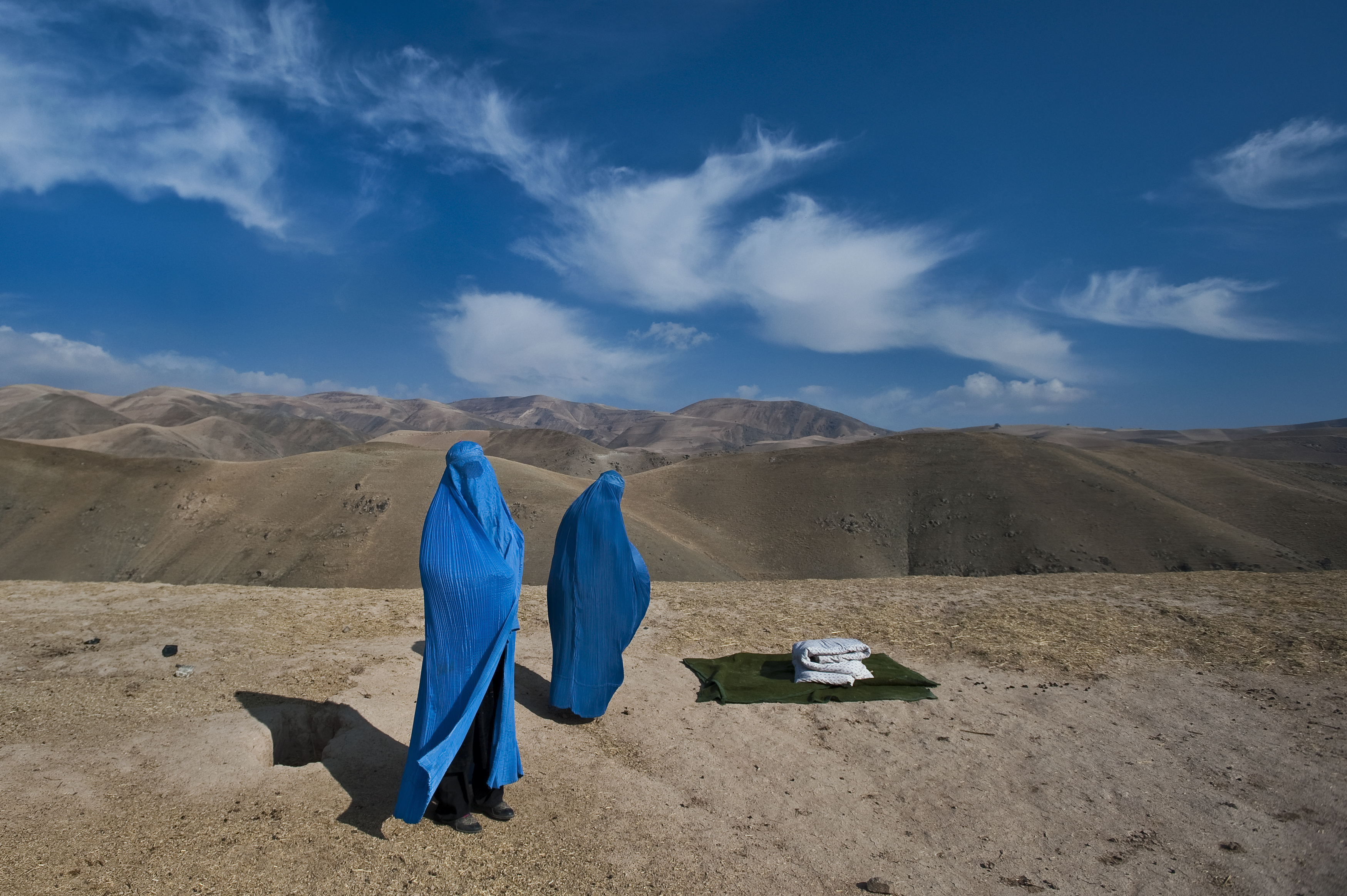
Addario’s images reveal the often shocking conditions in which women around the world give birth. In Sierra Leone, she documented 18-year old Mamma Seesay, “one of thousands of women who die in childbirth.” Due to a shortage of doctors, lack of transportation, and high rates of child marriage, one in eight women in Sierra Leone die in childbirth. Afghanistan has the second highest rate of maternal mortality in the world, partly because “an Afghan woman will be pregnant up to 15 times in her life,” she said. “When you watch someone who in most other developed nations would survive without question, it’s just not fair.”
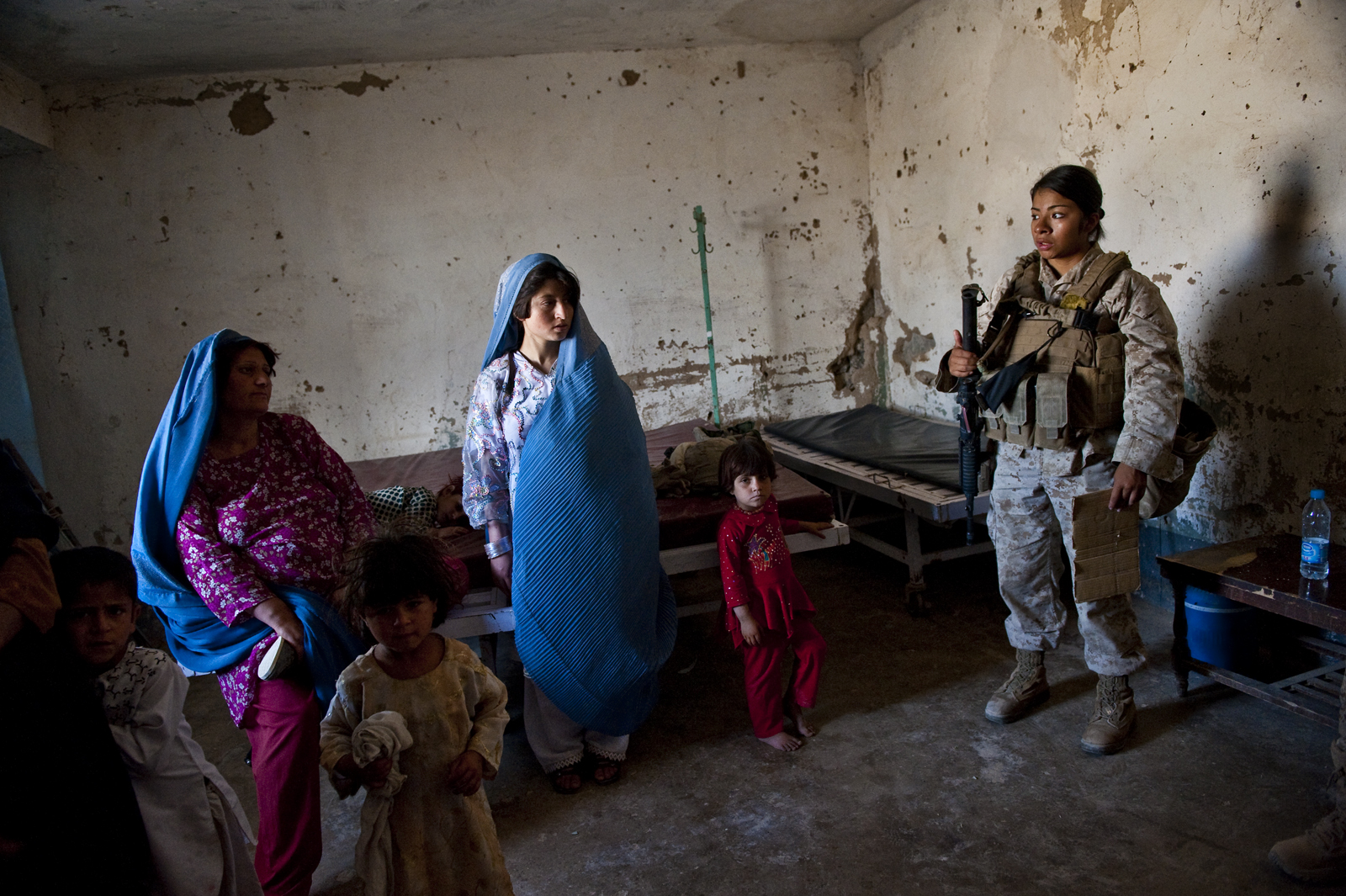
Throughout a decade of covering women in Afghanistan, Addario has sought to provide a “balanced picture” of their lives to American audiences. Her photographs show the milestones women have achieved since the fall of the Taliban: graduating college; driving cars; becoming actors, producers, or police officers; getting married; and giving birth.But her coverage of Afghanistan also contains stories like that of Fariba, an 11-year-old girl who doused herself with petrol and set herself on fire after being abused by her parents. The burn ward at the hospital in Kabul is full of such women who commit self-immolation “to escape their lives,” said Addario. An Afghan woman’s life “is worse than a donkey…there is no release for these women.”
“Give Us Your Guns”
In 2009, she went to the tribal areas of Pakistan to meet the Taliban. “Wrapped up like a cigar,” she posed as the wife of former New York Times correspondent Dexter Filkins and went into a room of 30 Taliban fighters “armed to the teeth.” The two spent the day with the Taliban and “by the end, they loved us,” she said. “The whole time they just laughed at us: ‘You Americans, you give money to the Pakistani government and they give it to us!”
While covering the conflict in Darfur, Addario had to convince UN peacekeepers to drive into a Janjaweed-occupied village so that she could verify how many people had been killed. “Every time we would go towards the village, the Janjaweed would shoot at us and so [the peacekeepers] would turn the cars around and go,” Addario said. To convince the peacekeepers to go in anyway, she said to the commander: “Just give us your guns. We’re gonna go in ourselves if you don’t.” When they finally drove towards the village, “the Janjaweed set it on fire right in front of us, and we just kept driving, and when we got there they had left,” she said.
Addario has spent years as a single woman traveling around the world and throughout conflict zones. “Women in Afghanistan think I’m insane,” she said. “They think I have a lonely, miserable life.” But she believes that as a woman working in conflict zones, she has a unique ability to access places that a man could not and a mission to tell the stories that she hears. “For me it’s about showing the greater American public what’s happening.”
Sources: Institute for the Study of Women and Gender in the Arts and Media, National Geographic, The New York Times, Public Radio International, Slate, UNICEF, and the U.S. Senate Committee on Foreign Relations.
Photo Credit: Woman in labor with her mother on the way to the hospital in Afghanistan and a U.S. Marine in Afghanistan, used with permission courtesy of Lynsey Addario and the VII Network.
Showing posts from category Africa.