-
Adil Najam: Pakistan’s Security Problems Distract From Climate Vulnerabilities
›When Pakistan makes the news, more often than not it’s for one of two things: violent extremism or drone strikes. Adil Najam, a Pakistan expert and a lead author for the UN’s Intergovernmental Panel on Climate Change, says those headlines distract from a far more pressing security concern for the country: climate change.
-
The Red Cross’s Peter Maurer on New Challenges for Humanitarian Aid
›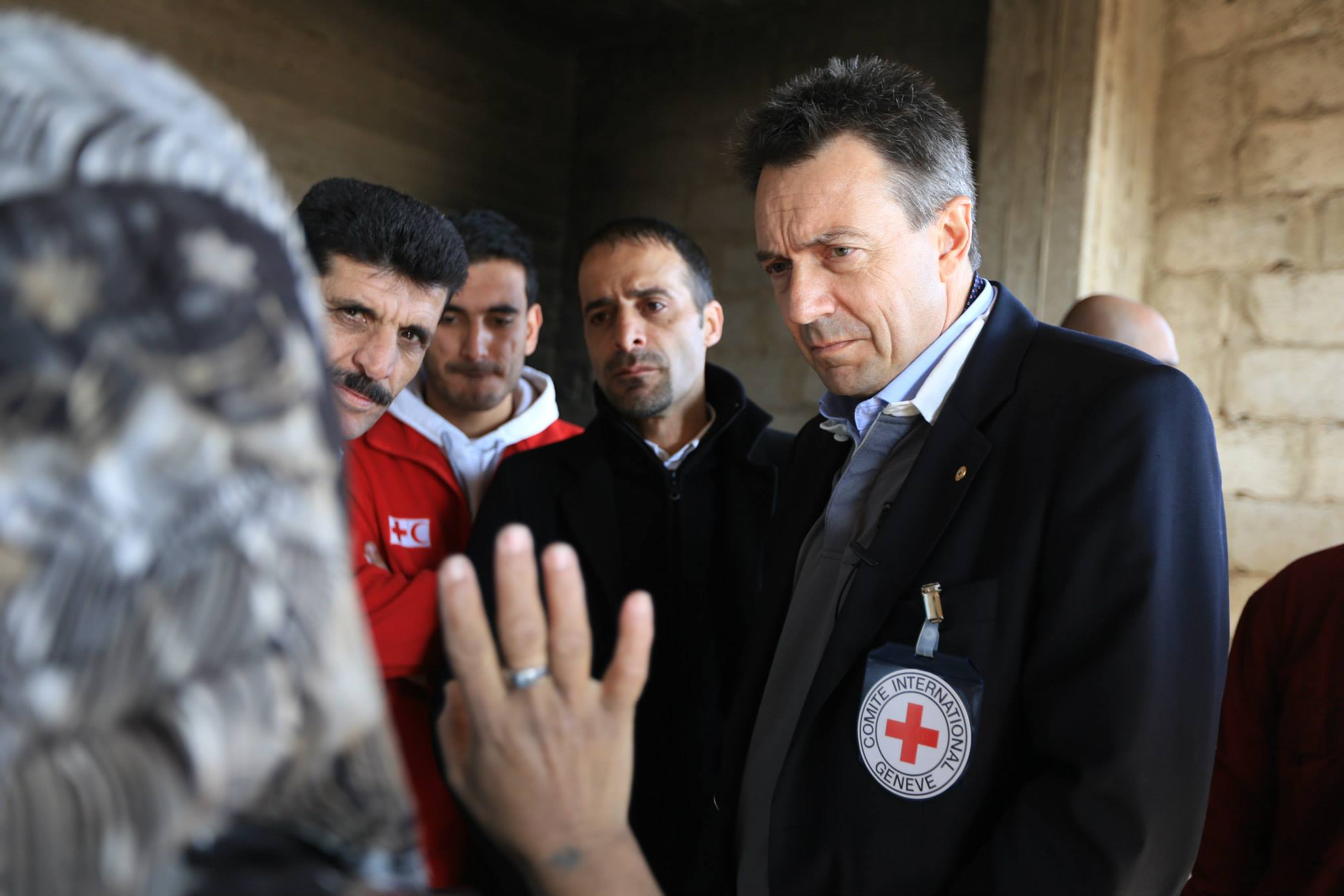
Last year, the International Committee of the Red Cross (ICRC) celebrated 150 years of their mission to “protect the lives and dignity of victims of war and internal violence.” Though this mission hasn’t changed in the past century-and-a-half, the nature of conflict and crisis response has. [Video Below]
-
For Maternal Health, What Role Will Universal Health Coverage Play in a Post-MDG World?
›
The global maternal health agenda has been largely defined by the Millennium Development Goals (MDGs) for the last decade and half, but what will happen after they expire in 2015? What kind of framework is needed to continue the momentum towards eliminating preventable maternal deaths and morbidities? [Video Below]
-
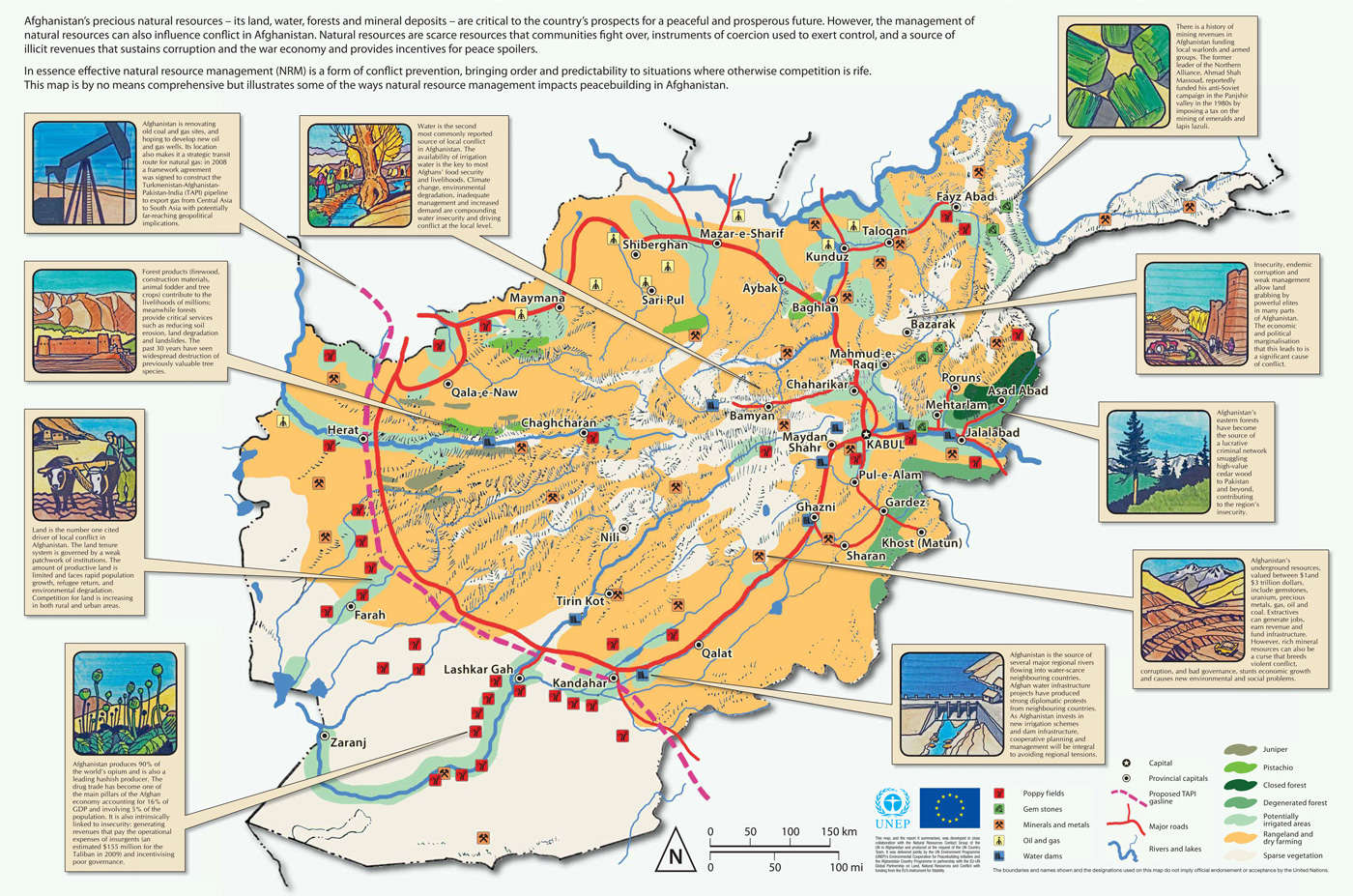
To Build Peace, Confront Afghanistan’s Natural Resource Paradox
›There’s a popular saying in Afghanistan reflecting the value of water: “Let Kabul be without gold, but not without snow.”
Living in a refugee camp across the border in Pakistan during the Soviet occupation, my father, who worked as a doctor in Samangan, Bamyan, Kunar, and Balkh provinces, used to tell me about the importance of our country’s natural wealth. He was optimistic that it was Afghanistan’s land, water, forests, and minerals that would help the country re-emerge as a strong nation. However, he also knew that the mismanagement of our natural resources is partly to blame for the instability, insecurity, and vulnerability that have gripped our country for so many years. This is the paradox of the natural resource wealth in Afghanistan.
-
Taliban Return Threatens Gains in Girls’ Education, Says Razia Jan
›
“There has never been a school for girls in this area; no one really offered them this option,” says Razia Jan in this week’s podcast. “Whenever I see these girls and I talk to my students, I can’t tell you how honored I am that my girls are getting educations.”
Since 2008, Jan has managed the Zabuli Education Center, an all-girls school located in Afghanistan’s Deh’Subz district. With the support of her organization, Razia’s Ray of Hope Foundation, the school provides free kindergarten-through-ninth-grade education to 400 Afghan girls.
-
Young People Are Transforming Afghanistan, Says Maiwand Rahyab
›“I would like to challenge the conventional and popular perceptions about Afghanistan and expose a deeper story of commitment and determination, of struggle and success, of hope and change,” says Counterpart International’s Maiwand Rahyab in this week’s podcast.
Today – almost 12 years after the United States and its allies invaded Afghanistan – is the next generation of Afghans better off? With 26 percent of girls giving birth before age 18, 1 in 10 Afghan children dying before the age of five, and young people leaving the country in large numbers, this seems like a fair question.
-
In Afghanistan, Women’s Health May Be Marker for Taliban Resurgence [Part Two]
›Afghanistan’s youth, including more than seven million girls currently in school, are leading the call for new leadership, but many Afghans fear the chilling effect of a resurgent Taliban, said panelists at the Wilson Center during the second half of “Afghanistan Beyond the Headlines.” As the United States prepares to withdraw its forces over the next year, a halt in the country’s progress on women’s health may be the first sign of backsliding on many of the gains made over the last decade. [Video Below]
-
Afghanistan’s Youth and the Risks of Taliban Return [Part One]
›As the United States approaches its 2014 deadline for military withdrawal from Afghanistan, one often overshadowed aspect of the conflict is the hard-won progress made by previously marginalized segments of the Afghan population, particularly women, girls, and young people.[Video Below]
Showing posts from category Afghanistan.