-
Water and Security Hotspots to Watch in 2016 [Infographic]
›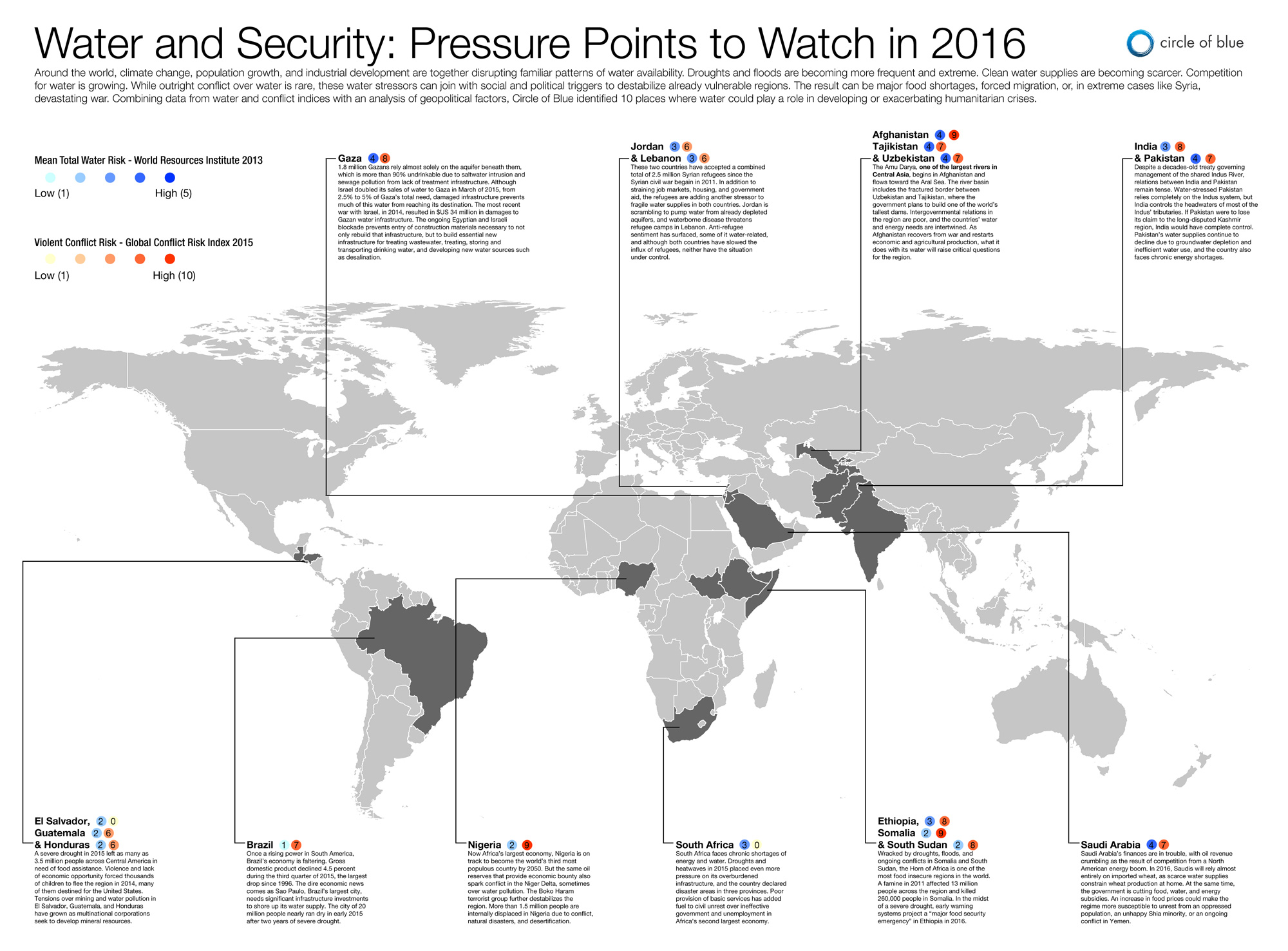
The ongoing violence in Syria exhibits the potential for water problems – a historic drought, in this case – to exacerbate existing social and political problems and contribute to humanitarian crises. In a recently released infographic, Circle of Blue combined data from the European Commission Joint Research Center’s Global Conflict Risk Index and the World Resources Institute’s Aqueduct Water Risk Atlas to identify 10 hotspots around the world where water “could play a role in developing or exacerbating humanitarian crises” in 2016.
-
Michael Kugelman, Foreign Affairs
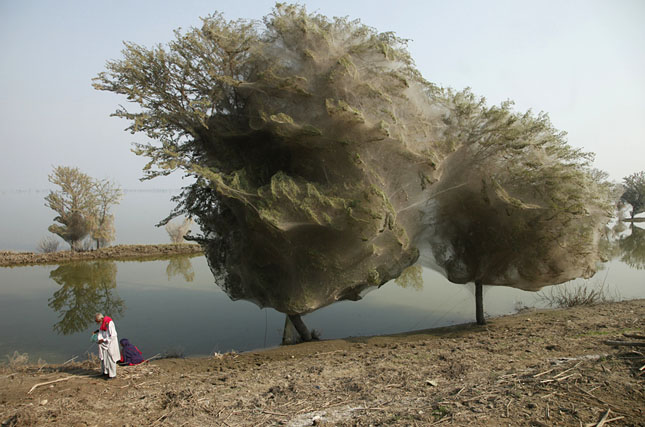
4 Myths About Climate Change in South Asia
›December 9, 2015 // By Wilson Center Staff
Climate change is a very real threat. It will have major implications for every country and region in the world, but South Asia is particularly vulnerable. To appropriately address the challenges there, the world will have to confront four misconceptions about climate change in South Asia. With world leaders convening in Paris to hash out a new agreement on climate change, now is the right time to do it.
-
Priyali Sur, Foreign Policy
South Asian Environmental Migrants Pushed to Back of Line in Refugee Flood
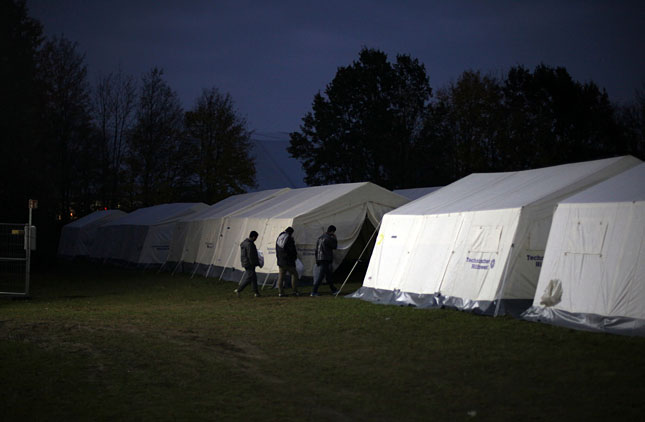
›November 26, 2015 // By Wilson Center StaffThe dark eyes and hair of the Pakistanis, Bangladeshis, and Afghans almost blend with the other migrants’. The brown skin tones are also not giveaways, but ask them where they come from, and you notice the hesitation – trying hard to blend into the crowd of Syrian migrants at Europe’s border crossings, afraid of being spotted and sent back.
-
Military Leaders: Climate Change, Energy, National Security Are Inextricably Linked
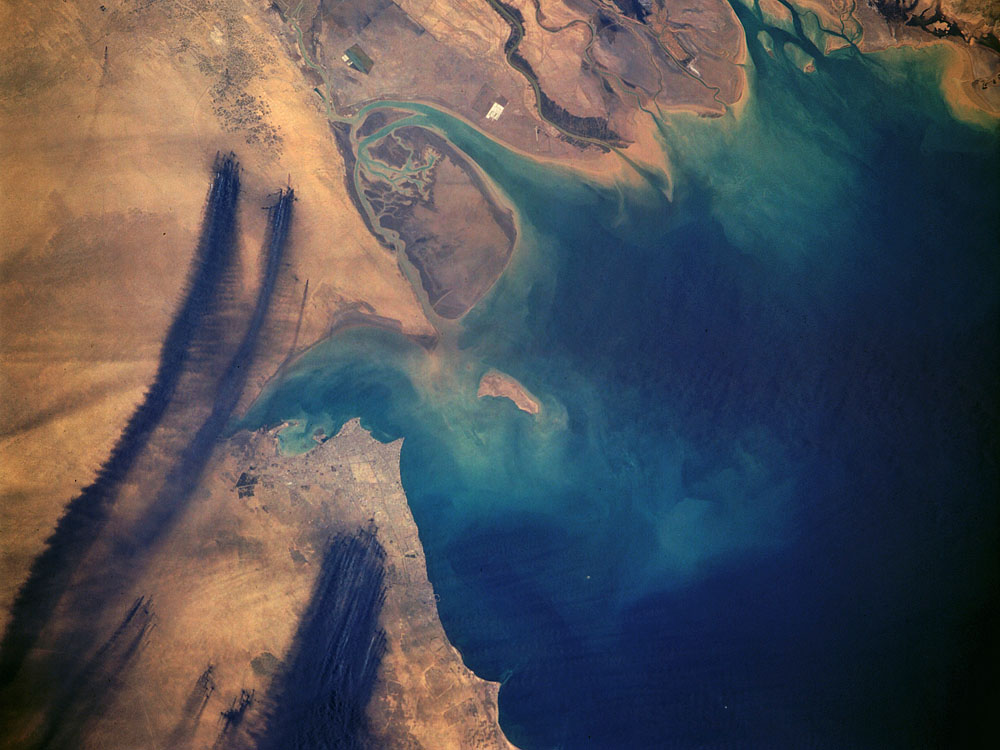
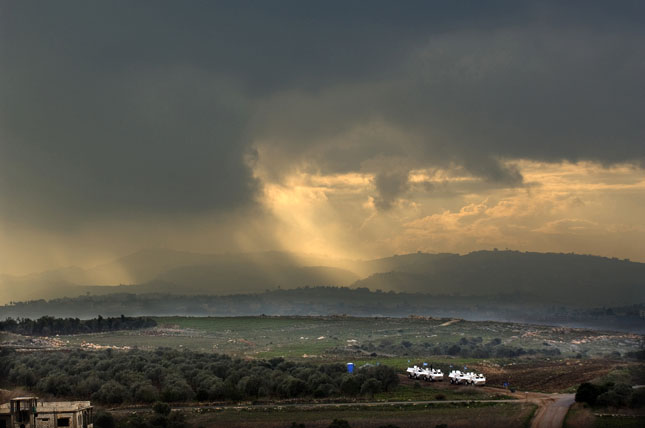
›In the midst of a minefield on day two of Desert Storm Task Force Ripper, Marine Corps Operations Officer Richard Zilmer stepped out of his armored personnel carrier, squinted up at the sky, and saw nothing but black from horizon to horizon. Iraqi forces, trying desperately to blunt the attack of coalition armies, had set fire to hundreds of Kuwaiti oil wells and oil-filled trenches.
-
Rachel Stern, Thomson Reuters Foundation
Despite Rising Concern, Climate Change Often Put on Back Burner in Conflict Zones
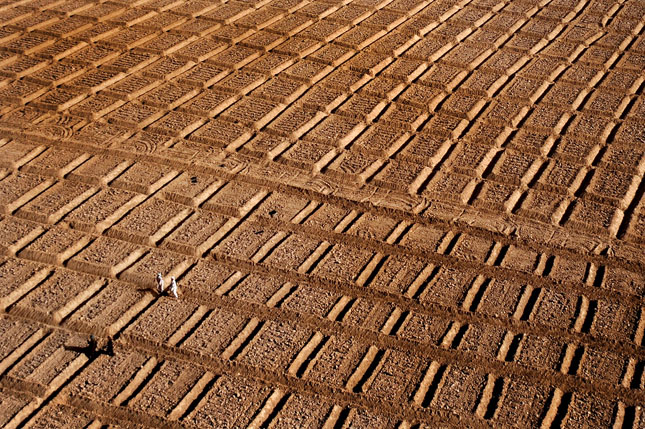
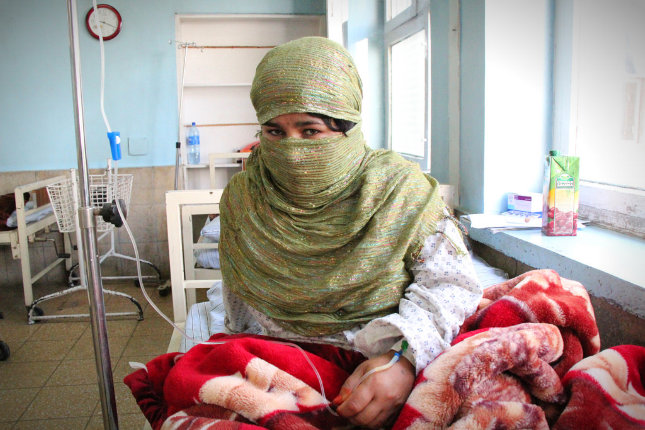
›October 23, 2015 // By Wilson Center StaffBarren barley and wheat fields stretch across the dry landscape of northern Afghanistan, the result of persistent drought and flash flooding that has left thousands of people facing food shortages and loss of work.
-
Previewing the Next Generation of Global Maternal and Newborn Health Programs in Mexico City
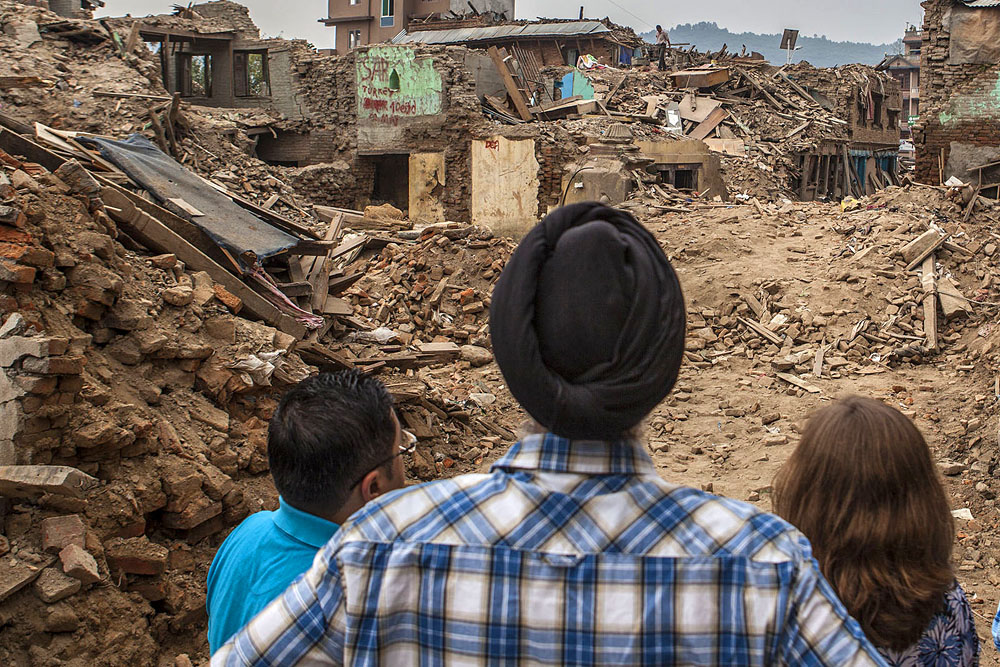
›The Global Maternal Newborn Health Conference, held in Mexico City from October 18-21, will provide a forum to identify, understand, and respond to the most urgent health needs of mothers and newborns. The hope is that it will accelerate momentum for maternal and newborn health in the newly adopted Sustainable Development Goals and put us on a track to end all preventable maternal and newborn deaths.
-
Climate Data Can be Critical in Fragile and Conflict-Affected States – Here’s How to Get It
›October 5, 2015 // By Schuyler NullWhen war breaks out, what happens to the weather forecast? Violent conflict disrupts many essential services in developing countries and one of the most overlooked is meteorology, which has surprisingly big consequences for farmers, policymakers, and the aid workers who are there to help.
-
Scenario Planning for Development: It’s About Time
›Scenario planning has a long history. The RAND Corporation employed it heavily in planning for potential U.S. responses to nuclear war and 16th century Spanish Jesuit theologians pointed to the idea as proof of free will. But in many respects this powerful set of methodological tools for managing complexity and uncertainty remains underused, especially beyond the defense, intelligence, and business communities.
Showing posts from category Afghanistan.