-
To Fight Zika, Coordinating Agencies Must Prioritize Effective Knowledge Management
›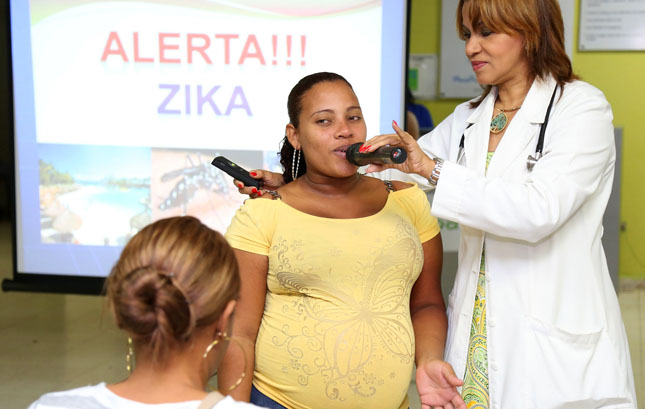
Zika is a global health challenge. Since its outbreak in Brazil last May, the virus has spread to more than 30 countries and territories and ignited global discourse about family planning, vaccine development, reproductive rights, contraceptive security, and even gender norms.
-
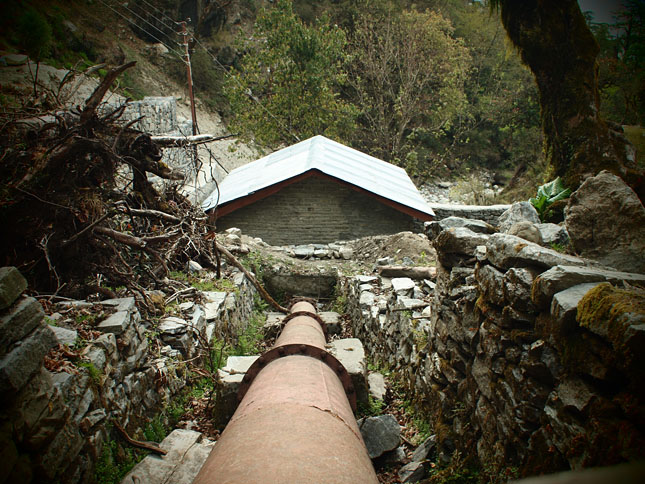
Community Empowerment vs. State Stability? Lessons From Nepal’s Micro-Hydropower Projects
›
Post-war countries are among the most difficult policy arenas. The challenge is not only to stop violence and prevent violence from rekindling, but moreover to help countries reset their internal relations on a peaceful path. Increasingly, researchers and practitioners are interested in the potential of natural resources in post-war settings in the hope that good governance and sustainable management can contribute to this reset. Indeed, the international community acknowledged the relevance of the link between peaceful societies and environmental issues by including both in the Sustainable Development Goals.
-
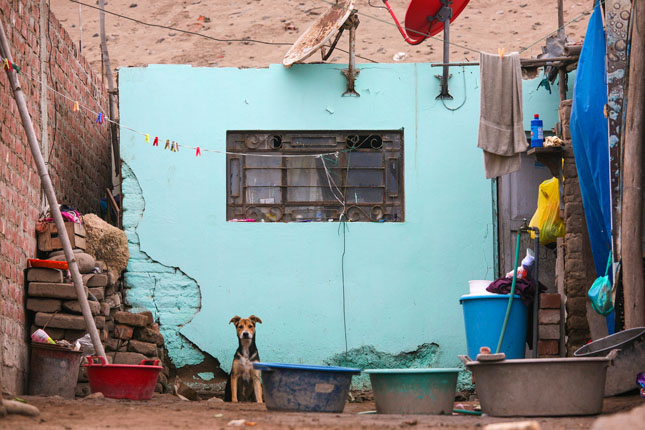
Call for Papers: Reducing Urban Poverty 2016 Graduate Student Paper Competition
›To encourage a new generation of urban policymakers and promote early career research, the Wilson Center, U.S. Agency for International Development, IHC – Global Coalition for Inclusive Housing and Sustainable Cities, World Bank, and Cities Alliance are sponsoring the 7th Annual Urban Poverty Paper Competition. The competition is open to graduate students working on topics related to urban poverty in the developing world.
-
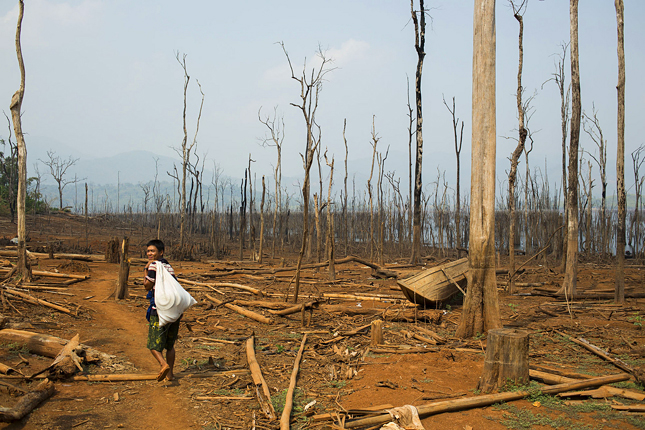
Can Myanmar Avoid Conflict Pitfalls in its Hydro Blitz?
›Myanmar is undergoing multiple transitions, from military rule to democracy, decades of civil war to peace, and from a command economy to a market-based one. No less of an important challenge amidst this backdrop of change and hope is addressing the country’s energy poverty.
-
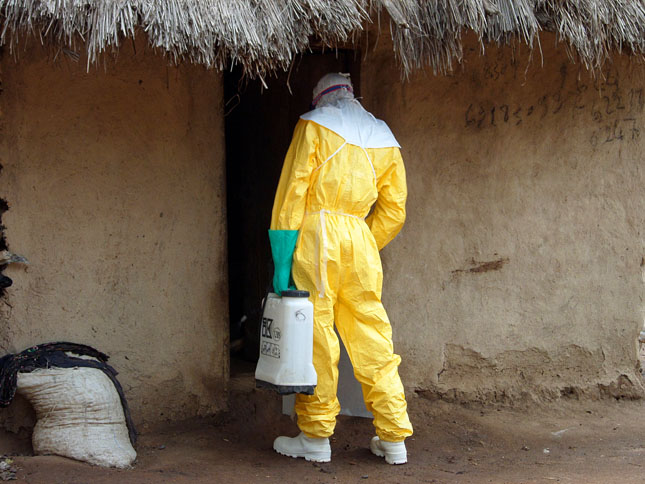
As Ebola Lingers in Liberia, What Have We Learned?
›The deadly West African Ebola epidemic has largely faded from headlines, replaced by mounting concern over conflict in the Middle East, terrorism, and refugees streaming into Europe. But while Guinea and Sierra Leone were declared free of the disease in November, Monrovia saw three new cases two weeks later. At least 149 individuals who came into contact with the infected have been identified thus far, according to the World Health Organization (WHO).
-
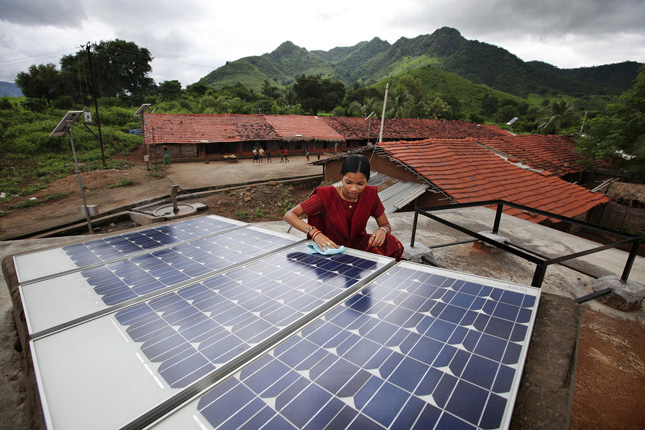
Falling Costs, Rising Opportunities: Scaling Up Renewable Energy in the Developing World [Part Two]
›“Clean energy has gone from being the ‘right thing to do’ in combating climate change, to being the most cost-effective option for many energy-insecure countries,” said Carrie Thompson, deputy director of the U.S. Agency for International Development’s Regional Development Mission for Asia, during a day-long conference on renewable energy at the Wilson Center on October 27 (read part one of our coverage here).
-
Celeste Hicks and Laura Seay, Monkey Cage
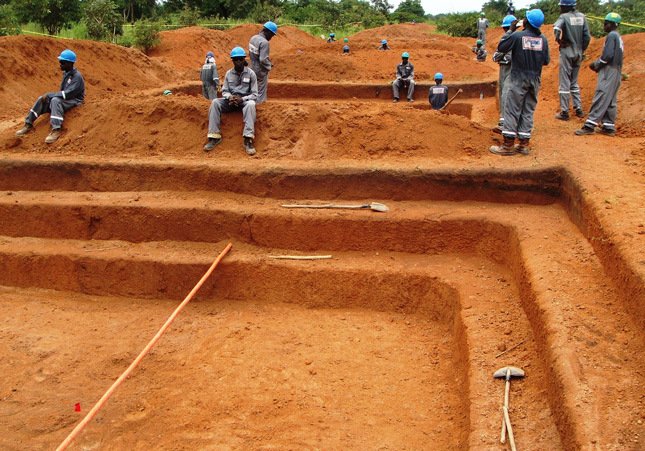
Governance, Gender, and No Guarantees in Africa’s Oil-Rich States
›June 23, 2015 // By Wilson Center StaffThe discovery of oil in Chad in 1969 did not yield many immediate benefits for a population that would soon be wracked by civil war, but hopes were high by the late 1990s. Chad had largely stabilized, and a new, World Bank-backed project to build a pipeline through Cameroon to the Atlantic Ocean coast was touted as a model for socially and environmentally responsible oil exploitation in developing countries.
-
The Dark Side of Development: Displacement, Eviction in World Bank Projects and Ethiopia
›With the help of international aid, foreign land grabs in the Gambella region of Ethiopia have resulted in environmental degradation, more severe economic and social inequality, and human rights abuses, according to a new study by the Oakland Institute. We Say The Land Is Not Yours collects testimony from victims of “villagization,” a policy of forced displacement started under the military Derg dictatorship and, according to many, continued to this day under the guise of land investment.
Showing posts from category World Bank.