

-
Forecasting Development: Observations From Scenario Planning for Bosnia and Herzegovina
›
I’m planning a road trip and I want to know what to pack. I could rely on what I’ve learned from past trips or what it looks like out the window right now, but what would really help are a weather forecast and a guidebook telling me what I might expect. It’s no guarantee against a wrong turn or two, but it will certainly better prepare me for the road ahead and help me take advantage of opportunities along the way.
-
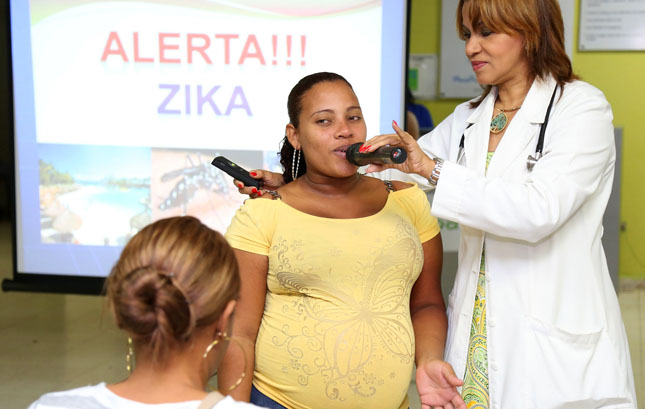
To Fight Zika, Coordinating Agencies Must Prioritize Effective Knowledge Management
›
Zika is a global health challenge. Since its outbreak in Brazil last May, the virus has spread to more than 30 countries and territories and ignited global discourse about family planning, vaccine development, reproductive rights, contraceptive security, and even gender norms.
-
Leslie Rose, Global Waters
Incubating Innovation: Solutions for a Parched Earth
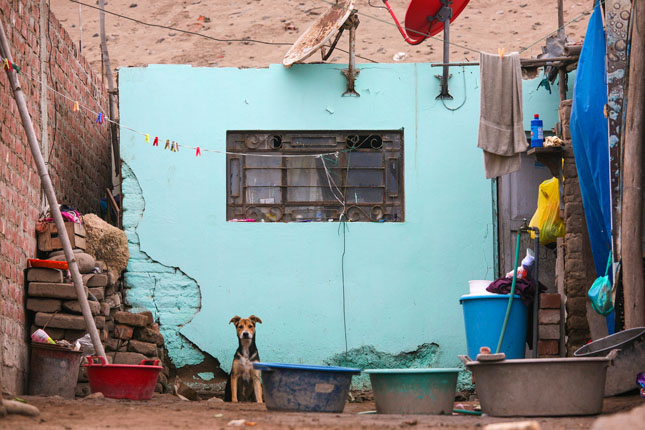
›March 24, 2016 // By Wilson Center StaffMassive droughts and water demands from a world population projected to grow to 9 billion by 2050, translate to food insecurity and lack of water for agriculture. Securing Water for Food sources and invests in a portfolio of innovative solutions that help farmers use water more efficiently and effectively; improve water storage for lean times; and remove salt from water to make more food.
-
Call for Papers: Reducing Urban Poverty 2016 Graduate Student Paper Competition
›To encourage a new generation of urban policymakers and promote early career research, the Wilson Center, U.S. Agency for International Development, IHC – Global Coalition for Inclusive Housing and Sustainable Cities, World Bank, and Cities Alliance are sponsoring the 7th Annual Urban Poverty Paper Competition. The competition is open to graduate students working on topics related to urban poverty in the developing world.
-
Ellen Starbird on the Allure of the Demographic Dividend and How to Achieve It
›“It has always surprised me actually how powerful this ‘demographic dividend’ framework seems to be,” says Ellen Starbird, director of USAID’s Office of Population and Reproductive Health, in this week’s podcast. But “for a lot of countries it’s a long way off.” -
Ethan Zindler on Clean Energy in Emerging Markets: “The Private Sector Sees the Opportunity”
›“The good news is clean energy has gotten much cheaper,” says Ethan Zindler, head of the Americas for Bloomberg New Energy Finance, on this week’s podcast. “The amount of stuff getting built for the same number of dollars has been going up. You’re getting more ‘bang for your buck’ when it comes to actual deployment.” -
Climate Change, Disasters, and Security: Unconventional Approaches to Building Stability
›It is “not sufficient to look at history for lessons on how we should prepare for and prevent future security risks in a climate change world,” said Swathi Veeravalli, research scientist at the U.S. Army Corps of Engineers’ Geospatial Research Laboratory, at the Wilson Center on January 14. Climate change and the extreme weather events it brings pose an “unprecedented” threat to human security. [Video Below]
-
Jagdish Upadhyay: Don’t Wait for the Demographic Dividend, Seize It
›“The demographic dividend is about inclusive growth, not just economic growth,” says Jagdish Upadhyay, chief of commodity security at the United Nations Population Fund (UNFPA), in this week’s podcast. “If it’s not inclusive, achieving the demographic dividend will be difficult.”
Showing posts from category USAID.

 “It has always surprised me actually how powerful this ‘demographic dividend’ framework seems to be,” says Ellen Starbird, director of USAID’s
  “The good news is clean energy has gotten much cheaper,” says
 “The demographic dividend is about inclusive growth, not just economic growth,” says Jagdish Upadhyay, chief of commodity security at the United Nations Population Fund (UNFPA), in this week’s podcast. “If it’s not inclusive, achieving the demographic dividend will be difficult.”

