-
Ethiopian Drought Response a Sign of How Far We’ve Come and Where We Need to Go
›
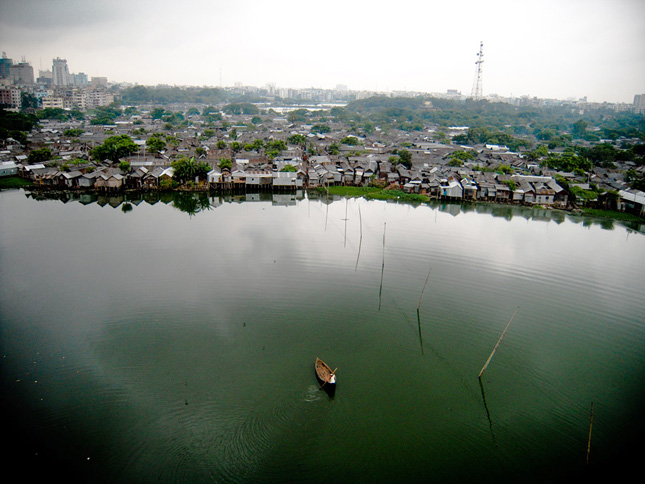
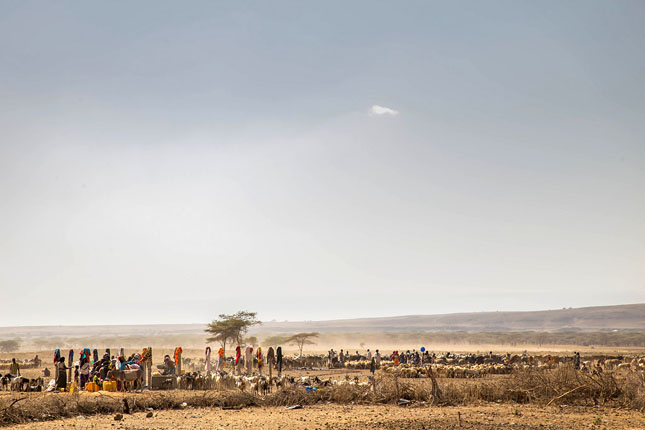
Drought in Ethiopia, exacerbated by El Niño, has put more than 10 million people in a position of being unsure how long they will have food and where it will come from next. Inevitably, the drought has been compared to the infamous drought of 1983-1984 that led to the worst famine in the country’s history, making millions destitute, and contributing to the deaths of 400,000. But Ethiopia is in a very different place today than it was in 1983.
-
Feeding the Future? A Closer Look at U.S. Agricultural Assistance in Tanzania
›May 11, 2016 // By Haodan "Heather" Chen
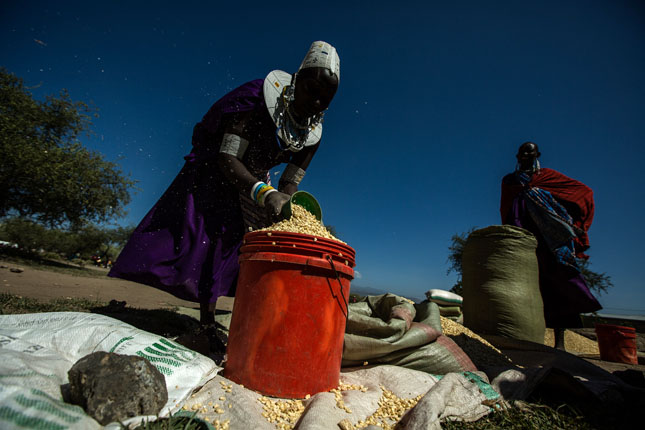
Between 2010 and 2015, Tanzania received more than $320 million in assistance via the U.S. government’s Feed the Future Initiative – the most of any country. But despite these commitments and an average of six to seven percent annual economic growth since 2000, Tanzania did not meet the first Millennium Development Goal: to reduce hunger and extreme poverty by half by the end of 2015.
-
Russell Sticklor, Global Waters
How One Philippine City Is Preparing for a Water-Scarce Future
›May 10, 2016 // By Wilson Center StaffSurrounded by water, the Philippines is especially vulnerable to climate change. Its islands and its people are enduring increasingly unpredictable rains, intensifying cycles of flood and drought, and strengthening storms forming in the Pacific. These changing weather patterns have not only derailed livelihoods and agricultural productivity in rural areas, they have also worsened water insecurity in cities, where 45 percent of the population live.
-
After Mexico City and Before Copenhagen: Keeping Our Promise to Mothers and Newborns
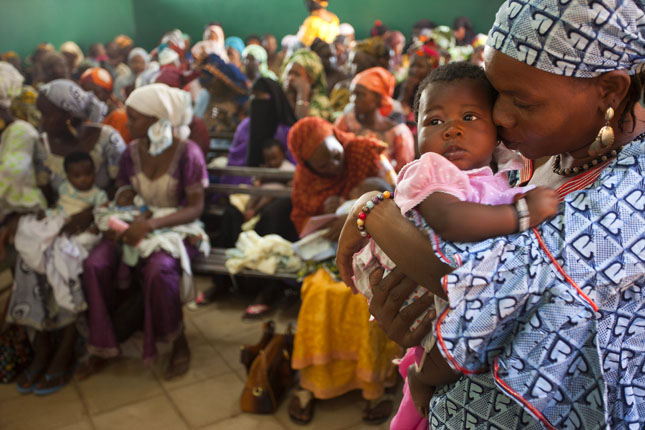
›Last October, on the heels of the UN General Assembly agreeing to the Sustainable Development Goals, the global health community met in Mexico City to discuss strategy for achieving the “grand convergence”: finally bridging the gap between maternal and newborn health in rich and poor countries. [Video Below]
-
Eric Holthaus, Ensia
New Rainfall Data: “Now, We Can Accurately Identify How Horrible Things Are”
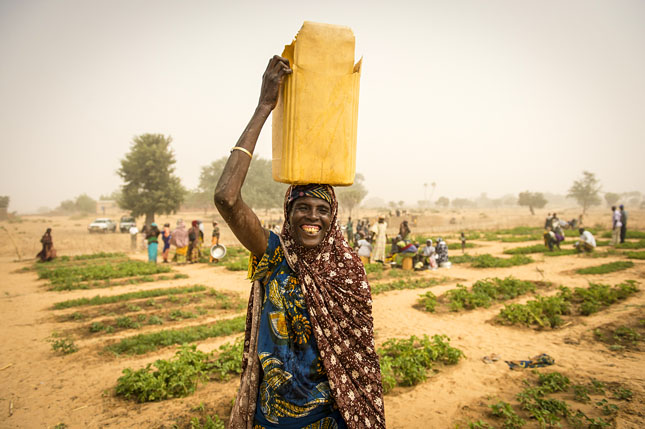
›April 28, 2016 // By Wilson Center StaffPeople in developed countries rarely think of weather in life-or-death terms. But millions in the developing world have no choice but to do so. The global rich have stable governments, savings accounts, insurance, and more to fall back on when disaster strikes. People in poorer countries don’t, so they’re often faced with tough decisions in times of drought: Sell the only ox for food and plow by hand next year? Take the kids out of school and put them to work chopping firewood for extra cash? Abandon the farm and family to look for work in the city?
-
Pathways to Resilience: Evidence on Links Between Conflict Management, Natural Resources, and Food Security
›In 2015, the NGO Mercy Corps released some surprising findings from conflict management programs in the Horn of Africa. Interventions from 2013 to 2015 focused on building community-level cooperation, strengthening institutions, and enhancing resilience. The results indicate that natural resource management can be a key governance pillar to build around and that such cooperation can strengthen household resilience to climate and food security shocks. [Video Below]
-
Joan Whelan on a New Strategy at the Office of Food for Peace: Address Conflict
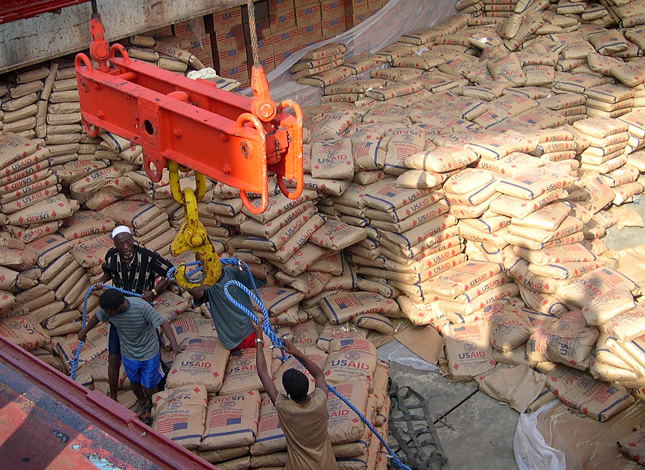
›Since its inception more than 60 years ago, USAID’s Office of Food for Peace has provided critical food assistance to billions of people around the world. Yet, despite its name, the office lacked a strategy to address the effects of conflict on its work. -
What Next? Climate Adaptation After Paris
›In December 2015, representatives from 195 nations gathered in Paris for the 21st Conference of the Parties (COP-21) to the UN Framework Convention on Climate Change. After two weeks of intensive negotiations, countries approved an agreement that charts new territory for global cooperation to address climate change. [Video Below]
Showing posts from category USAID.

 Since its inception more than 60 years ago, USAID’s