-
Reviewing USAID’s Global Health Activities, and the Status of Malnutrition Worldwide
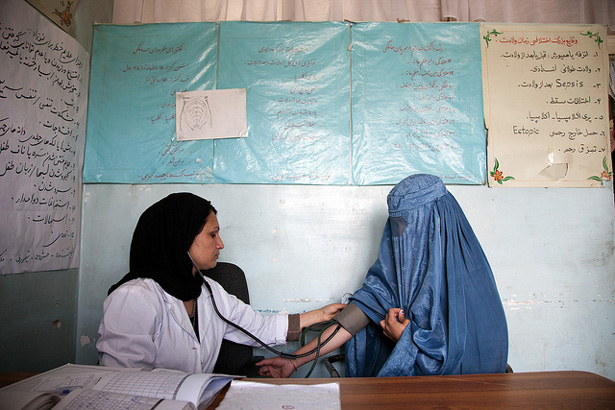
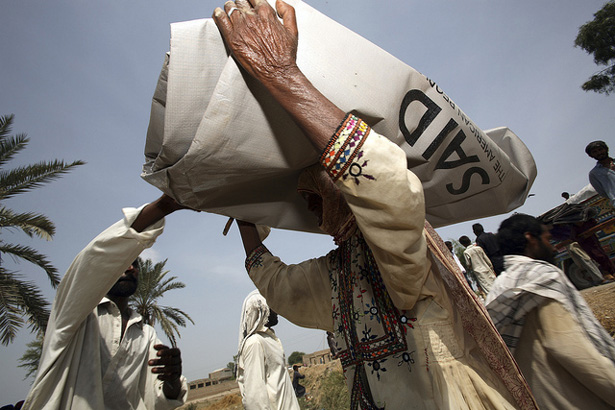
› USAID’s annual report to Congress on its global health programs breaks down the broad array of initiatives carried out each year “from the American people” to prevent child and maternal deaths, provide safe access to water, combat infectious disease, and deliver HIV/AIDS relief, among other priorities. Maternal and child health are of particular focus, with the agency helping to launch the Child Survival Call to Action, London Summit on Family Planning, and U.S. Government Action Plan on Children in Adversity last year. The authors report significant declines in maternal and newborn mortality rates for priority countries and the establishment of “national contraceptive security strategies” in 36 out of 47 USAID-supported countries since 2003. “All of these efforts align under U.S. goals to end extreme poverty and promote peace and prosperity worldwide, which result in improved security at home and better markets for U.S. businesses abroad,” writes Assistant Administrator Dr. Ariel Pablos-Méndez.
 -
Poor Quality of Care Chills Progress in Improving Safe Delivery for Mothers
›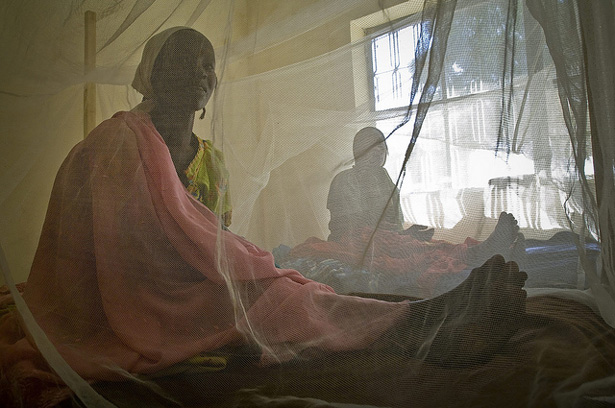
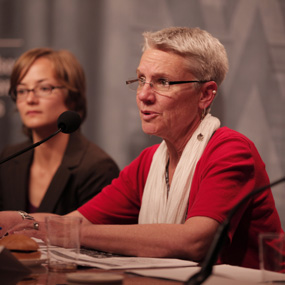
“Today we have a golden opportunity to use respectful maternal care to break new ground at the intersection of health and human rights,” said Lynn Freedman, director of the Averting Maternal Death and Disability Program and professor of clinical population and family health at Columbia University, at the Wilson Center.
-
The Farmer’s Dilemma: Climate Change, Food Security, and Human Mobility
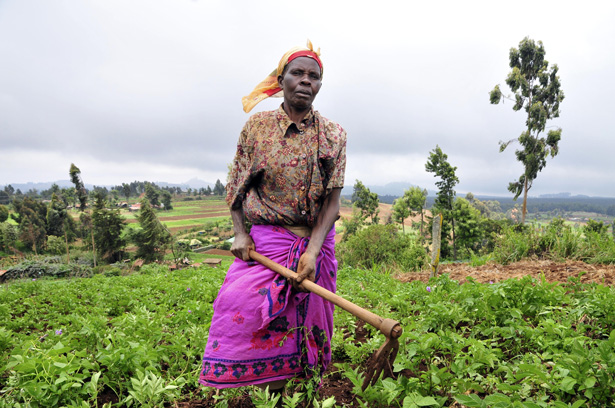
›“Most of the world’s poor are farmers; they share the same profession and the same challenges,” said One Acre Fund’s Stephanie Hanson at a recent Wilson Center event on small-scale farming, climate change, food security, and migration. They are tasked with growing enough food to support their families with only tenuous access to land and natural resources, the most basic of tools, and increasingly unpredictable weather patterns to deal with. [Video Below]
-
Susan Bradley on Feed the Future: Solving Hunger Requires Cross-Cutting Development Initiatives
›“Sustainable food security means that food production has to be climate smart,” says Susan Bradley in this week’s podcast. “In order to achieve climate smart food security, we are going to have to build resilience and adaptive capacity into agriculture.”
Bradley, division director for the USAID’s Bureau for Food Security, is working to implement the U.S. government’s Feed the Future Initiative. Unveiled by the Obama Administration in 2009, the $3.5 billion “whole of government” initiative aims to alleviate hunger and increase food security around the world.
-
From Dakar to Abidjan, Population Finally Finding Its Place in Food Security Assessments
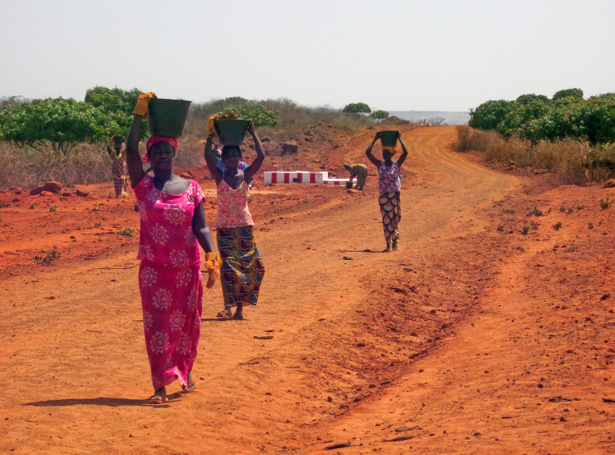
›June 20, 2013 // By Kathleen MogelgaardA woman sat crouched on the side of a busy road in Dakar, a baby in a sling on her back and a basket of peanuts in front. I know only a little French, and no Wolof, but I decided to try anyway. “Bonsoir,” I said, and smiled at the toddler beside her. “Combien?” I asked, pointing at the peanuts.
She smiled back at me, we negotiated a sale, and in exchange for the coins in my pocket I walked away with a few bags of the small, tasty nuts that are grown throughout the “peanut basin” of central Senegal.
-
From India to Jordan, Intimate Partner Violence Affects Maternal and Child Health
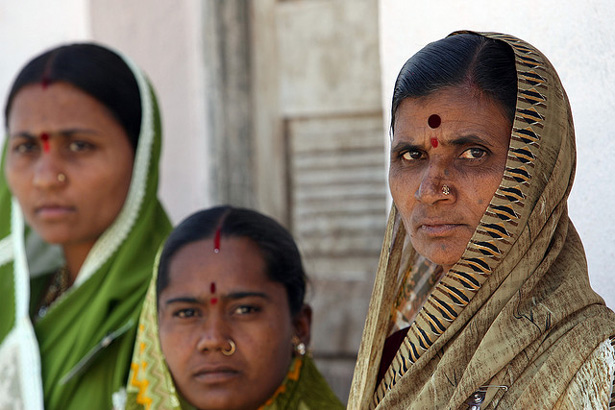
›Physical, sexual, or psychological harm by a spouse or partner is a major factor in maternal and reproductive health, said Jay Silverman at the Wilson Center last month.
Silverman, a professor of medicine at the University of California, San Diego, cited a 15-country study of both developed and developing countries that found 25 to 75 percent of women have suffered from intimate partner violence at least once. And the effects are very significant, both in terms of the health of mothers and their children. [Video Below]
-
Midwives, the Frontline and Backbone of Maternal Health, Face Insecure Working Environments
›Midwives play a critical but unheralded role in maternal health. Their skills are sometimes marginalized in otherwise well-meaning discussions about professionalizing care, or even worse, they are subject to abuse, as was discussed at the Wilson Center earlier this month. So when I found the room overflowing at a Women Deliver panel yesterday on the disempowerment of midwives and how much it undermines global efforts to increase access to care, I took that as a good sign that midwives will not be overlooked much longer.
-
Measuring Community Resilience: Implications for Development Aid
›A staggering amount of development dollars – one in three, in fact – are lost due to natural disasters and crises. Certain communities are less affected than others by such disasters; they are more resilient. Knowing where vulnerability and strength exist and how to bolster them could help avoid these losses. Yet, today, very little data exists to help development practitioners understand which adaptive capacities are lagging in a given community.
Showing posts from category USAID.