-
COVID-19 Reignites Interest in Scenario Planning for Development … But Will It Last?
›
Not since COVID-19 burst onto the scene a few months ago have so many individuals and institutions, outside the business, military, and intelligence communities, woken up to the need for a smart way to characterize and communicate uncertainty. The overwhelming choice for many is scenario planning. Today, scenario planning applies to a wide spectrum of issues, not just international development. It has been used to anticipate changes in higher education, rethink workforce composition, and explore options for individual financial planning.
-
Improve Biodiversity Conservation, Enhance Public Health and Food Security
›
Our collective development objectives will not be achieved if they come at the expense of biodiversity and natural resource management, said Jeff Haeni, Acting Deputy Assistant Administrator in the Bureau for Economic Growth, Education, and Environment at USAID. He spoke at a recent Wilson Center virtual event, co-hosted with USAID, that explored the links between conservation and public health with examples from USAID’s BRIDGE project, which aims to build the evidence base for integrating biodiversity conservation considerations into policy discussions and decision-making across sectors. “The ability of societies around the world to develop and thrive is dependent on the health of the forests, fisheries, and natural systems around them,” he said.
-
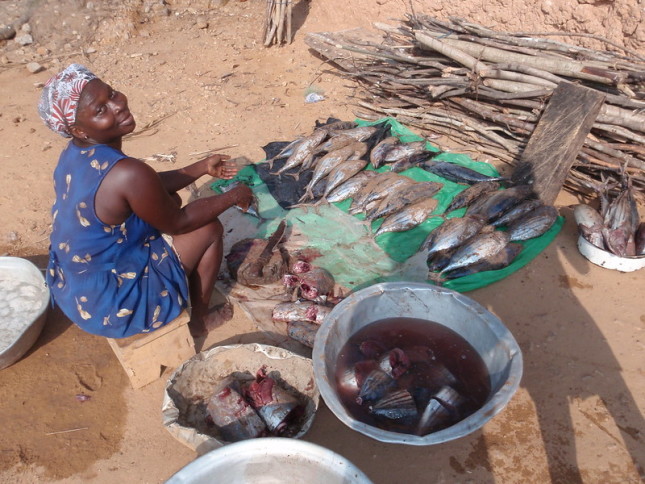
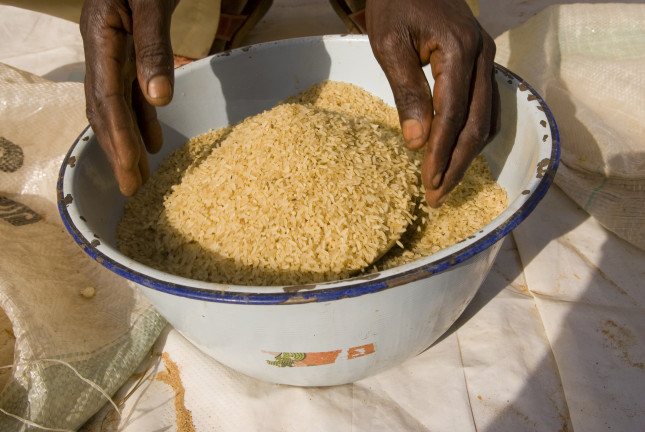
New Report Pushes for Greater Focus on Resilience in Feed the Future’s Work in Nigeria
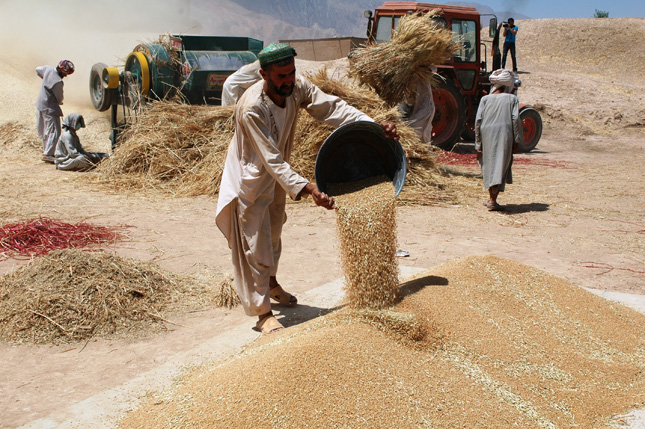
›“We are suggesting the tilt to resilience [in Nigeria] is not fully evident,” said Julie Howard, Senior Advisor with the Center for Strategic and International Studies’ (CSIS) Global Food Security Project. She spoke at a recent CSIS event launching a new report, Risk and Resilience: Advancing Food and Nutrition Security in Nigeria through Feed the Future. The report critiques the USAID global food security and hunger program, Feed the Future, which is attempting to expand on its work reducing poverty and malnutrition by adding a third priority: building resilience in the second phase of its campaign.
-
Measuring Up: USAID Proposes New Indicators to Assess Countries’ “Journey to Self-Reliance”
›“At the heart of…USAID’s transformation, is the core belief that each country must lead its development journey, and finance and implement solutions to its development challenges,” said Susan Fine of USAID at a recent Center for Global Development event introducing USAID’s new “Journey to Self-Reliance ” indicators.
-
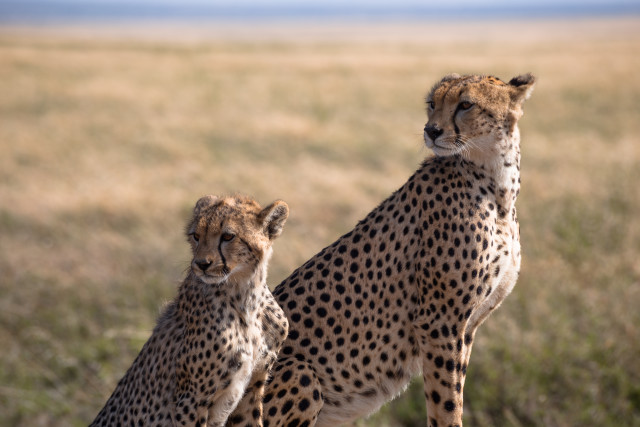
How Family Planning Can Help Save Cheetahs
›Conservationists and development practitioners may not have always seen eye to eye, but a new partnership between a cheetah conservation charity and a network of reproductive health NGOs is making the case for why these groups need to work more closely together.
-
Fresh Water, Safe Water: Integrating Freshwater Conservation and WASH in Sub-Saharan Africa
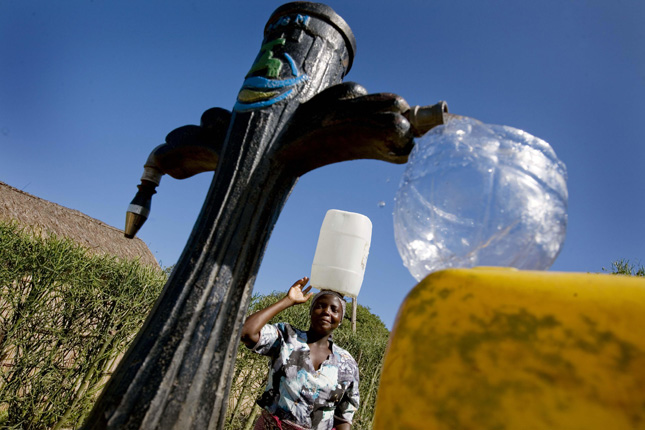
›Despite sharing a common element—water—the freshwater community and the Water, Sanitation and Hygiene (WASH) community have traditionally worked independently of each other, said Jimmiel Mandima, director of U.S. government relations at the African Wildlife Foundation during a recent webinar organized by USAID-supported Africa Biodiversity Collaborative Group (ABCG). However, that is starting to change: “Integration will bring value addition and synergy,” he said.
-
Feeding the Future? One Year After the Global Food Security Act
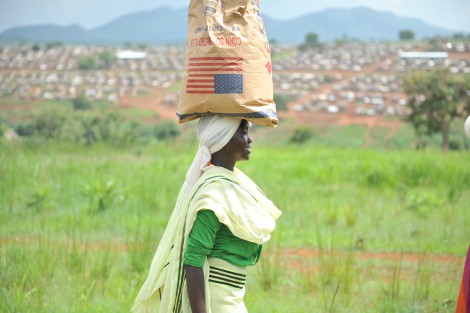
›“The United States should maintain a unique leadership role in global food security,” said former Senator Richard Lugar at a recent Center for International & Strategic Studies event, “The U.S. Global Food Security Strategy: Progress, Setbacks, and Forward Momentum,” which marked the one-year anniversary of the passage of the Global Food Security Act. Signed into law on July 20, 2016, the act required the interagency Feed the Future initiative to develop the first-ever U.S. Global Food Security Strategy.
-
Security Links: An Emerging Congressional Common Ground on Climate Change?
›July 26, 2017 // By Lauren Herzer RisiEarlier this month 46 House Republicans voted with Democrats to protect an amendment in the current National Defense Authorization Act that acknowledges that “climate change is a direct threat to the national security of the United States” and requires the secretary of defense to provide “a report on the vulnerability to military installations and combatant command requirements resulting from climate change over the next 20 years.”
Showing posts from category USAID.