• woodrow wilson center
  • ecsp

New Security Beat

Subscribe:
  • rss
  • mail-to
  • Who We Are
  • Topics
    • Population
    • Environment
    • Security
    • Health
    • Development
  • Columns
    • China Environment Forum
    • Choke Point
    • Dot-Mom
    • Friday Podcasts
    • Navigating the Poles
    • Reading Radar
  • Multimedia
    • Water Stories (Podcast Series)
    • Backdraft (Podcast Series)
    • Tracking the Energy Titans (Interactive)
  • Films
    • Water, Conflict, and Peacebuilding (Animated Short)
    • Paving the Way (Ethiopia)
    • Broken Landscape (India)
    • Scaling the Mountain (Nepal)
    • Healthy People, Healthy Environment (Tanzania)
  • Publications
  • Events
  • Contact Us

NewSecurityBeat

The blog of the Wilson Center's Environmental Change and Security Program
Showing posts from category UNFPA.
  • State of the World Population 2016, and Fostering Development Through Family Planning

    ›
    Dot-Mom  //  Reading Radar  //  January 4, 2017  //  By Anam Ahmed

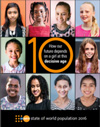
    SWOPThe United Nations Population Fund’s 2016 State of the World Population report calls for investment in a very specific demographic: 10-year-old girls. At age 10, young girls are at a “pivotal” stage in their lives, the report says. They face a world of limitless possibilities, yet far too many end up thwarted in their ambitions by sexual violence, forced marriage, female genital mutilation, child labor, and other “systematic disadvantages.”

    MORE
  • Displaced and Disrupted: Closing the Gaps in Maternal Health in Conflicts and Crises

    ›
    Dot-Mom  //  From the Wilson Center  //  December 21, 2016  //  By Nancy Chong
    Zaatari

    Where violent conflict displaces people and disrupts societies, maternal and child health suffers, and such instability is widespread today. According to the UN Refugee Agency, there are 65.3 million forcibly displaced people, 21.3 million refugees, and 10 million stateless people over the world. In addition, more than 65 million people who are not displaced are affected by conflict.

    MORE
  • ‘The Lancet’ on Achieving Maternal Health Goals in the SDG Era: Tackling Diversity and Divergence

    ›
    Dot-Mom  //  From the Wilson Center  //  November 29, 2016  //  By Nancy Chong
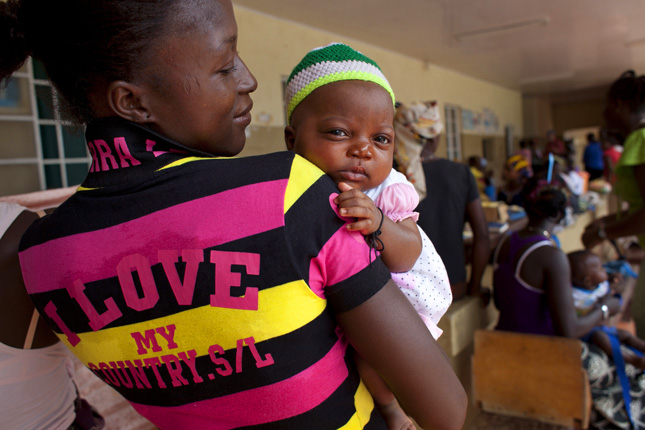
    Sierra-Leone-mother

    Between 1990 and 2015, there was an incredible 44 percent decrease in global maternal mortality rates. But these impressive gains still fell short of the Millennium Development Goal of reducing the global maternal mortality ratio by three quarters.

    MORE
  • No Mother Left Behind: How Conflict Exacerbates the Global Maternal Health Challenge

    ›
    Dot-Mom  //  November 7, 2016  //  By Nancy Chong
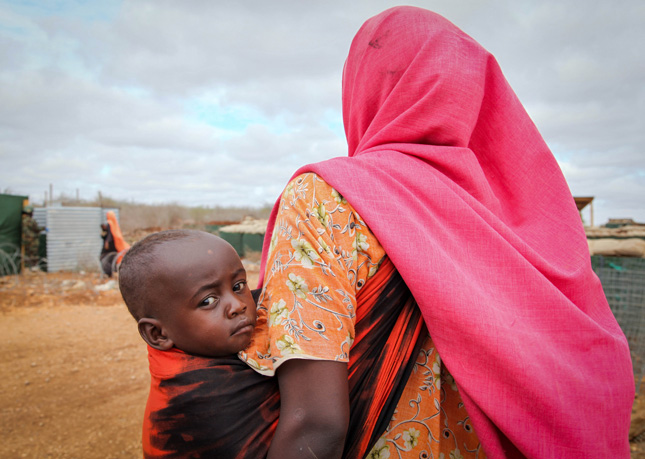
    AMISOM-clinic

    Since the end of World War II, the number of wars between states has declined significantly, but the number of intrastate civil conflicts – as seen in Syria and Afghanistan – has increased.

    MORE
  • Resolution 2250 and the Role of Young People in Building Global Peace and Security 

    ›
    From the Wilson Center  //  October 31, 2016  //  By Anam Ahmed
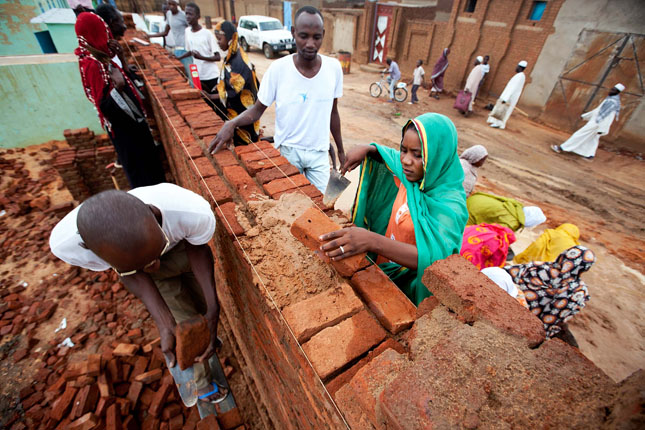
    UNAMID-Darfur

    Since its adoption in December 2015, United Nations Security Council Resolution 2250 on youth, peace, and security has been hailed as the first of its kind to recognize young people as meaningful drivers of change through its explicit encouragement of youth leadership at all levels of conflict prevention and peacebuilding. “It’s a testament to the fact that global youth today can have a real meaningful impact on the big issues of today, in the big arenas where discussions are happening,” said Andy Rabens, a special advisor on global youth issues for the U.S. Department of State, at the Wilson Center on October 6.

    MORE
  • Justice and Contemporary Climate Relocation: An Addendum to Words of Caution on “Climate Refugees”

    ›
    Guest Contributor  //  August 8, 2016  //  By Maxine Burkett
    Kiribati

    The idea that climate change is causing migration and displacement is entering the mainstream, but experts have warned against using the term “climate refugees” to describe what we’re seeing in small islands, coastal regions, and even conflict zones like Syria.

    MORE
  • After Women Deliver, What’s Next for Women and Girls?

    ›
    Dot-Mom  //  From the Wilson Center  //  August 2, 2016  //  By Aimee Jakeman
    women-deliver

    The once-every-three-years Women Deliver conference has become a major coalescing force for various global health and development efforts aimed at women and girls. “We operate at a global level, influencing the agenda” by focusing on the “four Cs”: convening, communicating, capacity-building, and catalyzing, said Susan Papp, director of policy and advocacy for Women Deliver. [Video Below]

    MORE
  • Alix Bacon on Building a Global Community of Midwives

    ›
    Dot-Mom  //  Friday Podcasts  //  July 29, 2016  //  By Sean Peoples
    alix-small

    The fourth global Women Deliver conference in May brought nearly 6,000 experts and advocates to Copenhagen to address the health and rights of women and girls, including a small group of young midwives who attended a symposium beforehand. “I went in a little bit skeptical,” says Alix Bacon, president of the Midwives Association of British Columbia and one of 32 women under 35 who received a scholarship to attend, in this week’s podcast. “And I came home a changed woman and a believer.”

    MORE
Newer Posts   Older Posts
View full site

Join the Conversation

  • RSS
  • subscribe
  • facebook
  • G+
  • twitter
  • iTunes
  • podomatic
  • youtube
Tweets by NewSecurityBeat

Trending Stories

  • unfccclogo1
  • Pop at COP: Population and Family Planning at the UN Climate Negotiations

Featured Media

Backdraft Podcast

play Backdraft
Podcasts

More »

What You're Saying

  • Volunteers,At,The,Lagos,Food,Bank,Initiative,Outreach,To,Ikotun, Pan-African Response to COVID-19: New Forms of Environmental Peacebuilding Emerge
    Rashida Salifu: Great piece 👍🏾 Africa as a continent has suffered this unfortunate pandemic.But it has also...
  • A desert road near Kuqa An Unholy Trinity: Xinjiang’s Unhealthy Relationship With Coal, Water, and the Quest for Development
    Ismail: It is more historically accurate to refer to Xinjiang as East Turkistan.
  • shutterstock_1779654803 Leverage COVID-19 Data Collection Networks for Environmental Peacebuilding
    Carsten Pran: Thanks for reading! It will be interesting to see how society adapts to droves of new information in...

What We’re Reading

  • Rising rates of food instability in Latin America threaten women and Venezuelan migrants
  • Treetop sensors help Indonesia eavesdrop on forests to cut logging
  • 'Seat at the table': Women's land rights seen as key to climate fight
  • A Surprise in Africa: Air Pollution Falls as Economies Rise
  • Himalayan glacier disaster highlights climate change risks
More »
  • woodrow
  • ecsp
  • RSS Feed
  • YouTube
  • Twitter
  • Facebook
  • Home
  • Who We Are
  • Publications
  • Events
  • Wilson Center
  • Contact Us
  • Print Friendly Page

© Copyright 2007-2021. Environmental Change and Security Program.

Woodrow Wilson International Center for Scholars. All rights reserved.

Developed by Vico Rock Media

Environmental Change and Security Program

Woodrow Wilson International Center for Scholars

Ronald Reagan Building and International Trade Center

  • One Woodrow Wilson Plaza
  • 1300 Pennsylvania Ave., NW
  • Washington, DC 20004-3027

T 202-691-4000