-
Resolution 2250 and the Role of Young People in Building Global Peace and Security
›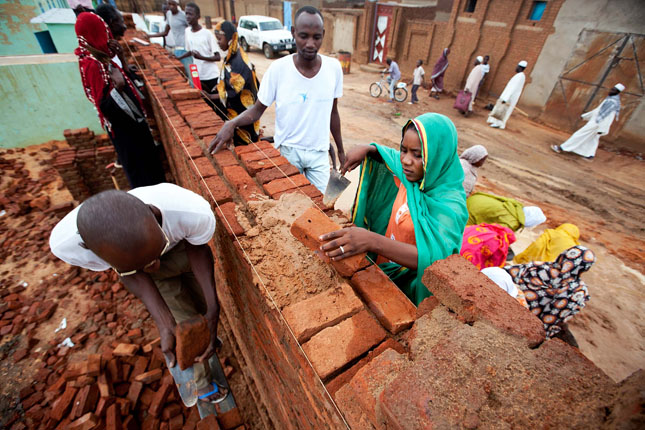
Since its adoption in December 2015, United Nations Security Council Resolution 2250 on youth, peace, and security has been hailed as the first of its kind to recognize young people as meaningful drivers of change through its explicit encouragement of youth leadership at all levels of conflict prevention and peacebuilding. “It’s a testament to the fact that global youth today can have a real meaningful impact on the big issues of today, in the big arenas where discussions are happening,” said Andy Rabens, a special advisor on global youth issues for the U.S. Department of State, at the Wilson Center on October 6.
-
António Guterres and the Way Forward on Climate Change and Security
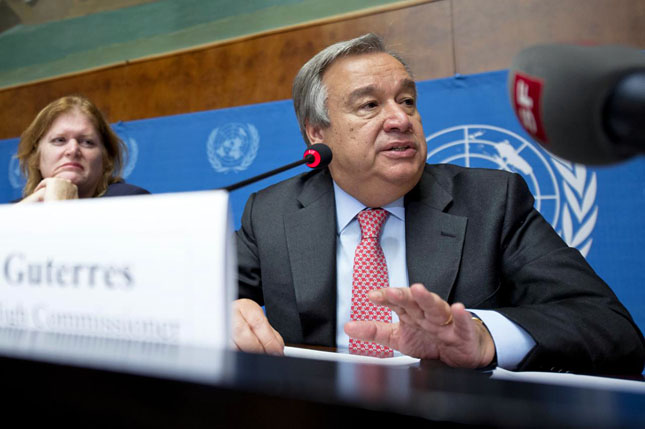
›On October 13, the United Nations General Assembly appointed Antonio Guterres as the next UN secretary-general. When the former prime minister of Portugal and high commissioner for refugees begins his term in January 2017, he will face a world of increasing climate and security crises. In a Wilson Center NOW interview and op-ed for The Daily Climate, Wilson Fellows Ruth Greenspan Bell and Sherri Goodman express optimism in Guterres’ ability to address these interconnected challenges and provide insight on the role of institutions like the United Nations in fighting climate change.
-
Shreya Mitra & Joe Mulligan, Resilience Compass
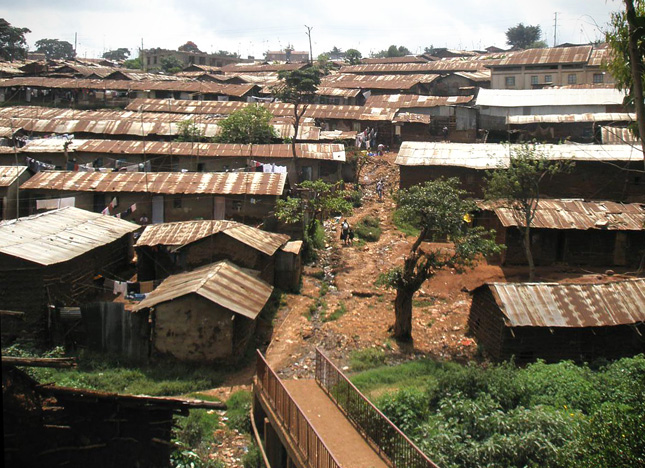
Lessons From Kibera on Risks and Resilience for the New Urban Agenda
›October 20, 2016 // By Wilson Center Staff
“By 2050 the world urban population is expected to nearly double, making urbanization one of the 21st century’s most transformative trends.” -Draft “Quito Declaration on Sustainable Cities and Human Settlements for All,” September 2016
-
What’s Next for the Environment at the UN? Bringing Rights to the Fore, Says Ken Conca
›October 13, 2016 // By Schuyler NullThe United Nations has made significant progress since the Stockholm Conference of 1972 in putting the environment on the global agenda. Indeed, the environment plays a major role in two of the largest UN initiatives today: the Paris climate accord and the Sustainable Development Goals. But in a new brief for the Friedrich Ebert Stiftung Foundation, Wilson Center Fellow Ken Conca writes that the traditional approach to environmental issues is running up against its limits.
-
New UN Secretary-General Brings Humanitarian Experience, But Will It Matter? 5 Things to Watch
›Over the next few days, many smart people will opine on the prospects for success of António Guterres, the man (yes, surprise, another man) nominated by the United Nations Security Council to be the next UN secretary-general.
-
UN Special Rapporteur Calls for Action on Toxic Remnants of War to Protect Children
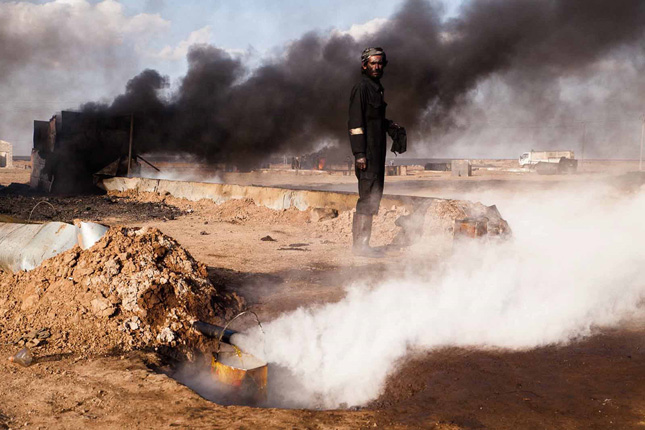
›This month, Baskut Tuncak, the United Nations special rapporteur on human rights and toxics, presented the findings of his report on the effects of hazardous substances on the lives of children around the world to the 33rd session of the Human Rights Council. His conclusions were bold and brave for their implications on conflict: States should take responsibility for cleaning up the toxic remnants of war and providing medical aid to affected communities and individuals.
-
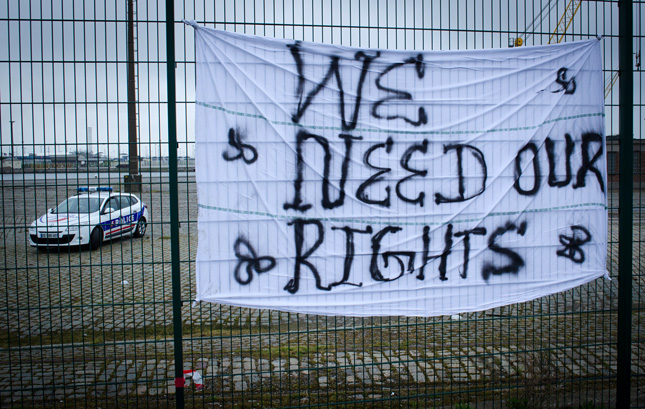
UN, U.S. Summits Offer Modest Immediate Relief to Refugees, But Systemic Reforms Needed
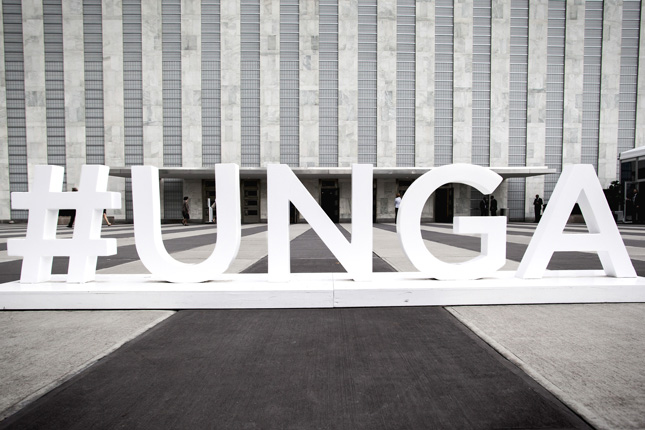
›Heads of state gathered in New York for the September 19 United Nations Summit on Refugees and Migrants will reaffirm principles of international law, pledge to treat asylum seekers more humanely, and promise to improve coordination between humanitarian and development organizations.
-
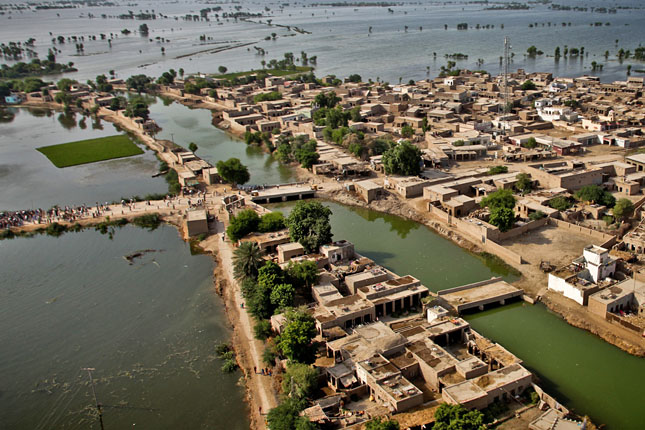
“Loss and Damage” and “Liability and Compensation” – What’s the Difference and Why Does It Matter?
›September 2, 2016 // By Cara ThuringerWhen wildfires become unstoppable, consuming forests, farmlands, communities, and anything else in their path, how will those affected cope? When typhoons slam coastal populations, dumping over a foot of rain in a single event, who will be there to help mop up? When seas rise up, drowning centuries-old communities, where will the displaced go?
Showing posts from category UN.