-
A Journalists’ Guide to Energy and the Environment in 2017
›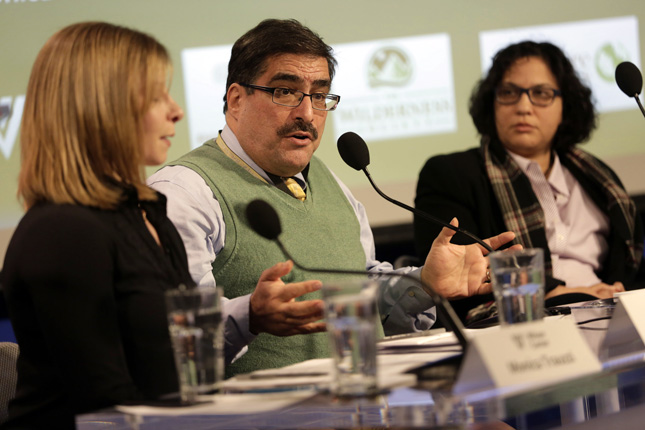
“Turbulent and possibly revolutionary times are ahead for U.S. energy and environmental policy,” said Bobby Magill, a senior science writer at Climate Central, at the Wilson Center on February 3. “If there’s one message the Trump Administration is sending about environmental and climate regulations, it’s this: The future will not look like the past.”
-
Taking Stock of Africa’s Political and Security Developments in 2016
›2016 was an eventful year for the continent of Africa, with important implications for U.S.-Africa relations. The Wilson Center’s Africa Program asked experts, scholars, and policymakers to weigh in on the most important and impactful events. This collection of essays reflects on those developments and their impact going forward.
-
Richard Choularton on 3 Steps to Avert the Famines We See Coming
› There has been great progress in anticipating famines in recent years, with most predicted six or more months ahead of time, says Richard Choularton, senior associate for food security and climate change at Tetra Tech, in this week’s podcast. But action to address their humanitarian impacts has lagged. Responses need to be more consistent and faster, he says, happening “almost without human intervention.”
 -
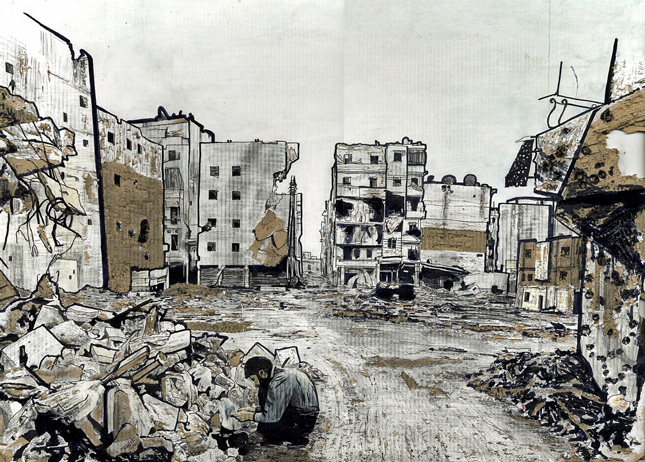
Wartime Public Health Crises Cause More Deaths Than Weapons, So Why Don’t We Pay More Attention?
›In 2004 I was honored to be interviewed for The Lancet medical journal’s “Lifeline” series. I had just come away from a disastrous short tenure as the interim minister of health in Iraq following the 2003 war. I had support from former Secretary of State Colin Powell to rapidly mitigate and recover the war-related destruction of essential public health infrastructure and protections required as occupiers under Articles 55 and 56 of the Geneva Conventions that follow every war.
-
The Invisible World Ocean Regime, and USAID’s 2015 Water Activities in Review
›According to their recent Safeguarding the World’s Water report, the U.S. Agency for International Development (USAID) invested $499,995,179 in water-related programming in 54 countries in 2015. -
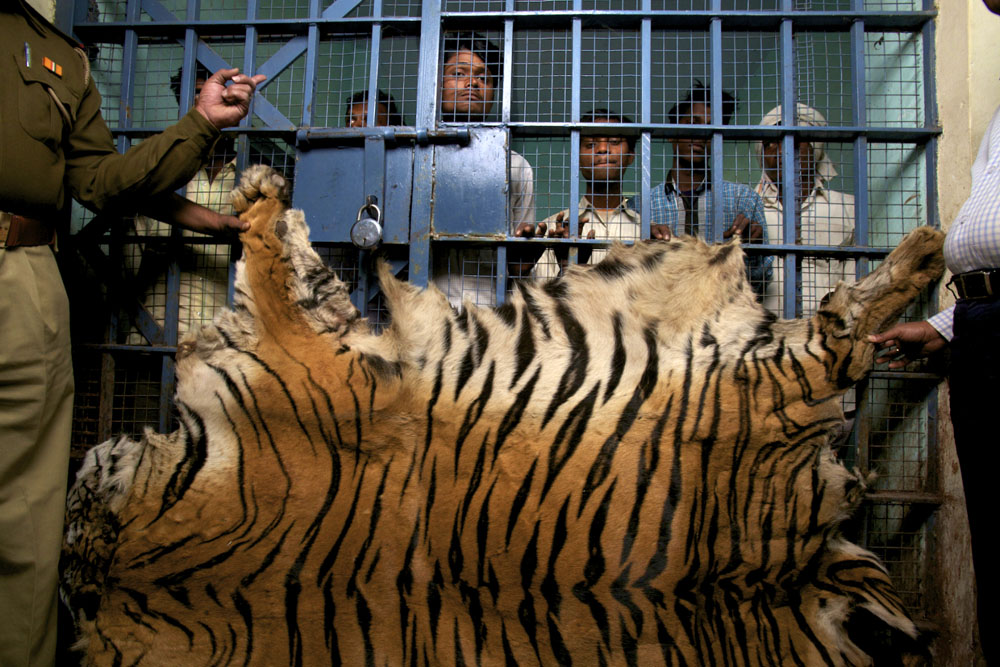
As Asian Luxury Market Grows, a Surge in Tiger Killings in India
›From 1990 to 2013, the notorious tiger poacher Kuttu Bahelia and his extended family – brothers, uncles, and their wives and children – reportedly killed hundreds of tigers and leopards in the tiger-rich Indian states of Maharashtra and Karnataka, according to law enforcement informants and media reports. “Even if half that [estimate] is correct, it is still a very significant number,” says Belinda Wright, who directs the non-profit Wildlife Protection Society of India (WPSI).
-
Adapting NATO to Climate Change, and the Economic Benefits of the 1.5-Degree Limit
›In his dissertation, Tyler H. Lippert of the Pardee RAND Graduate School explains how the transboundary security impacts of climate change will both challenge and elevate the role of international multilateral institutions like the North Atlantic Treaty Organization (NATO). -
Backdraft Revisited: The Conflict Potential of Climate Change Adaptation and Mitigation
›Whether or not we respond to climate change – and the security implications of that decision – is a major public policy question. But increasingly experts are paying closer attention to how we respond.
Showing posts from category UN.
 There has been great progress in anticipating famines in recent years, with most predicted six or more months ahead of time, says Richard Choularton, senior associate for food security and climate change at Tetra Tech, in this week’s podcast. But action to address their humanitarian impacts has lagged. Responses need to be more consistent and faster, he says, happening “almost without human intervention.”