-
Bringing Natural Resources to the Table: ELI, UNEP Launch New Environmental Peacebuilding Platform
›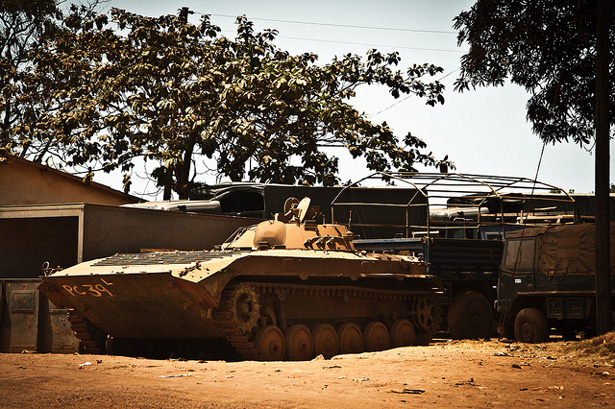
To date, despite their demonstrated importance in both conflict recovery and the risk of conflict recurrence, natural resources have been largely ignored or downplayed in post-conflict settings around the world.
-
Climate Change in a Growing, Urbanizing World: Understanding the Demography of Adaptation (Book Launch)
›
The effects of climate change are often conveyed through the lens of changing physical landscapes. Shifting weather patterns, the intensification of drought, flooding, and coastal erosion are all primary areas of climate research. But do researchers know enough about changes in the size, distribution, and composition of human populations as they relate to climate vulnerability? [Video Below]
-
How Effective Are International Efforts to Empower Women? Alaka Basu on Challenging the Patriarchy
›
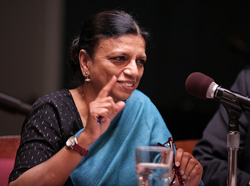
“Everyone uses the word ‘empowerment.’ It’s now such an overused word,” says UN Foundation Senior Fellow Alaka Basu in this week’s podcast. “You are empowered if you have a choice of 10 different shampoos in the grocery store; you are empowered if you have 100 kinds of cereals to buy; you are empowered by virtually anyone wanting to sell you something.”
-
Delivering Success: Scaling Up Solutions for Maternal Health (Report Launch)
›Since 2009, the “Advancing Dialogue on Maternal Health” series, co-produced by the Wilson Center, Harvard’s Maternal Health Task Force, and the United Nations Population Fund, has been one of the few public policy forums dedicated to maternal health. [Video Below]
-
Vicky Markham, Impatient Optimists
As UN Debates Post-2015 Agenda, Women Deliver Development
›October 23, 2013 // By Wilson Center StaffIt’s not often that we are presented with the perfect opportunity to affect a broad set of development policies as we are currently with the UN’s post-2015 agenda.
-
Amid Perfect Storm of Climate Challenges, Can Aquaculture Net Food Security Gains in Bangladesh?
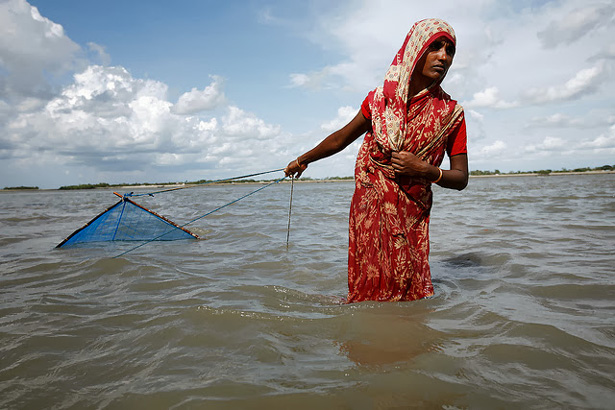
›October 15, 2013 // By Jacob GlassIt is difficult to find a country feeling the negative impacts of climate change more severely than Bangladesh. Name any alarming, seemingly far off effect of a warming world being discussed in the halls of Washington or the summits of Copenhagen, and there is a good chance Bangladesh is experiencing it today. Flooding, drought, sea level rise, mass migration, and crushing poverty are exacerbated by a growing population and rapid urbanization. This perfect storm of climactic and demographic trends presents a looming crisis for Bangladesh, no more so than when it comes to food security.
-
To Build Peace, Confront Afghanistan’s Natural Resource Paradox
›There’s a popular saying in Afghanistan reflecting the value of water: “Let Kabul be without gold, but not without snow.”
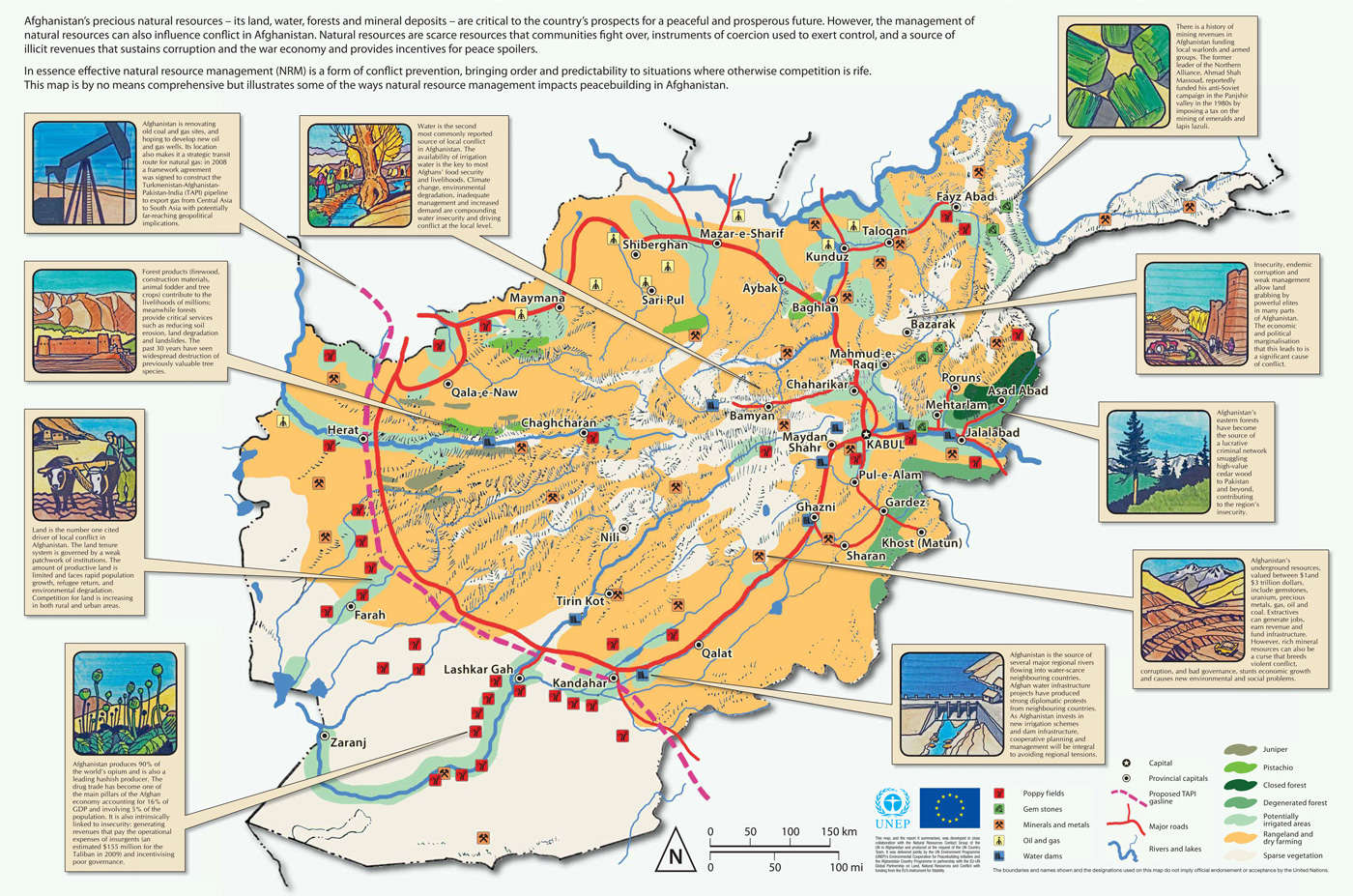
Living in a refugee camp across the border in Pakistan during the Soviet occupation, my father, who worked as a doctor in Samangan, Bamyan, Kunar, and Balkh provinces, used to tell me about the importance of our country’s natural wealth. He was optimistic that it was Afghanistan’s land, water, forests, and minerals that would help the country re-emerge as a strong nation. However, he also knew that the mismanagement of our natural resources is partly to blame for the instability, insecurity, and vulnerability that have gripped our country for so many years. This is the paradox of the natural resource wealth in Afghanistan.
-
Dennis Taenzler, ECC Platform
What’s Next in European Climate Diplomacy?
›September 5, 2013 // By Wilson Center StaffThe original version of this article appeared on the Environment, Conflict, and Cooperation (ECC) Platform.
At the end of June, the European Union Foreign Affairs Council adopted a set of conclusions on EU climate diplomacy that left us with mixed feelings. Acknowledging and recalling that climate change is of paramount importance is commonplace – too often quoted and very seldom followed by decisive action. Explicit reference to the positive results of the Durban and Doha climate conferences is even a reason to get nervous. Many negotiators and observers will doubt a similarly enthusiastic framing for the most recent results.
Showing posts from category UN.