-
Alex Evans, The Guardian
Addis Financing Summit Leaves Questions – Will the SDGs Provide Answers?
›July 24, 2015 // By Wilson Center Staff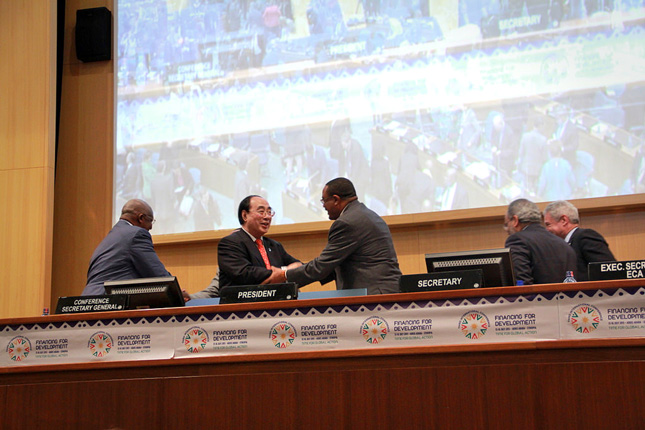
Start with the good news from this week’s finance for development conference in Addis Ababa: at least it got the narrative right.
-
50 Years of Family Planning at USAID: Successes, Political Challenges, and Future Directions
›
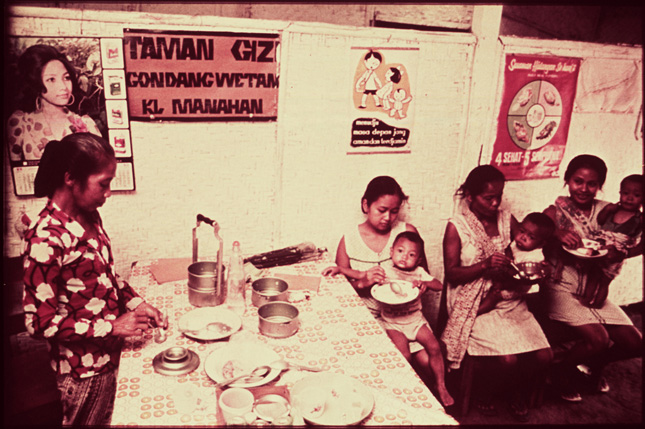
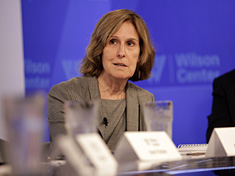
Since President Lyndon B. Johnson created the USAID population program in 1965, it has evolved in tandem with the global discourse on population and demography. “The agency’s family planning program is as relevant today as it ever was, and is necessary,” said Jennifer Adams, deputy assistant administrator of the U.S. Agency of International Development’s Bureau for Global Health. The bureau houses the Office of Population and Reproductive Health, which implements U.S. development and relief efforts to expand access to modern contraceptives, fight HIV/AIDS, reduce unsafe abortions, and protect the health of women and children. [Video Below]
-
A Nuclear Deal Could Help Iran Harness a Youthful Labor Force
›Iran is poised to reap a vast “demographic dividend” if the appropriate national and international policies are adopted, including a nuclear deal with the P5+1 (five permanent members of the UN Security Council, plus Germany).
-
“No Precedent in Human History”: Ruth Greenspan Bell on Why Climate Change Demands More Than the UNFCCC
›The stakes are high for the UN climate conference in Paris later this year, so high in fact, some scholars feel it’s foolish to be putting all our eggs in one basket.
-
Adapting to Global Change: Climate Displacement, Mega-Disasters, and the Next Generation of Leaders
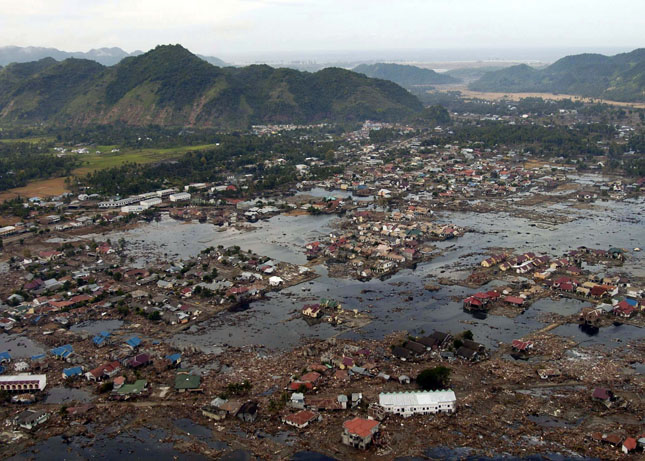
›The world is more connected than ever before, but also more complex. Big, transnational trends like climate change, urbanization, and migration are changing the calculus of geopolitics, while local-level inequalities persist. “[Change] seems to be spinning around us so fast,” said John Hempelmann, president of the Henry M. Jackson Foundation, which honors the legacy of the late senator from Washington State. How can today’s and tomorrow’s leaders adjust to global trends? [Video Below]
-
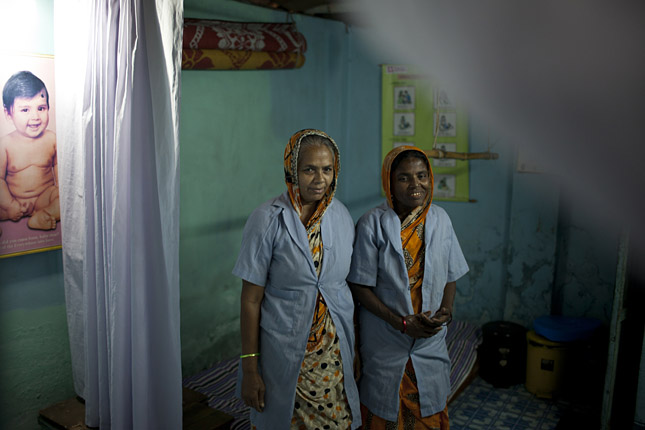
How Midwives Can Answer the World’s Maternal Health Woes
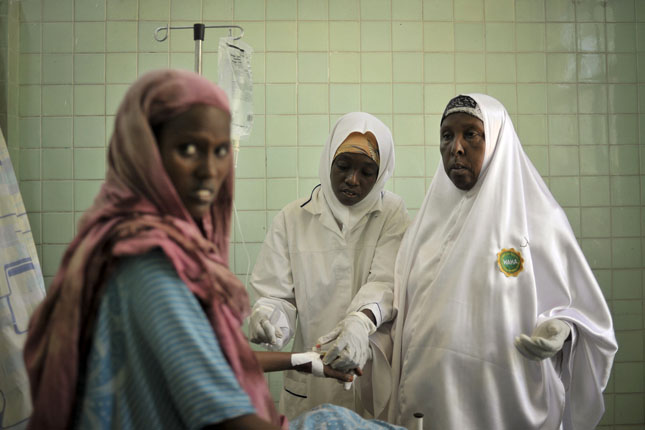
›The world is about to hit a “turning point” in maternal and newborn health, said Laura Laski, chief of the sexual and reproductive health at UNFPA, at the Wilson Center on March 23. “In terms of strengthening the new health system for achieving the MDGS or any other goals, we have to focus on the human resources for health.” In particular, midwives.
-
Cooperation Is Not Enough: Why We Need to Think Differently About Water
›In 2003, the United Nations General Assembly declared 2005 to 2015 to be the decade of “water for life” as a way to encourage countries to reach their water-related targets under the Millennium Development Goals. In summing up the last 10 years, it was noted that water cooperation had been promoted widely, featuring at international fora and in government initiatives and development agendas. Water cooperation is described as having the potential to enable peace and sustainable development. However, just as focusing on “water wars” might undermine the everyday challenges of securing safe and adequate supplies of water, focusing only on “more cooperation” may well simplify the problem at hand.
-
Accounting for 1 in 3 Maternal Deaths, Health Disparities Persist in South Asia
›The state of maternal health in South Asia is difficult to assess. Although rates of maternal mortality are declining between 2 and 2.5 percent a year overall, the region’s massive population – one fifth of the world and over 1 billion people in India alone – means it still accounts for one out of three maternal deaths. [Video Below]
Showing posts from category UN.