-
Can Women Deliver a New Development Agenda in 2015?
›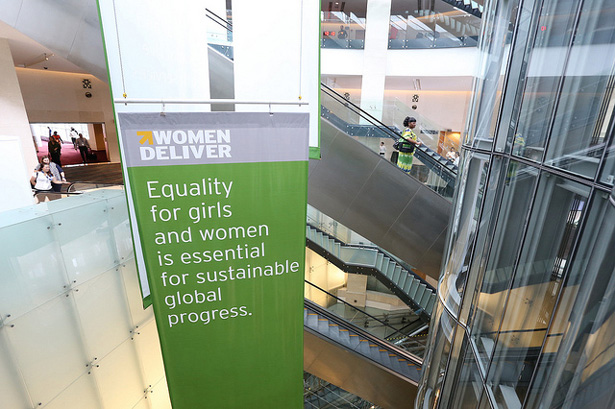
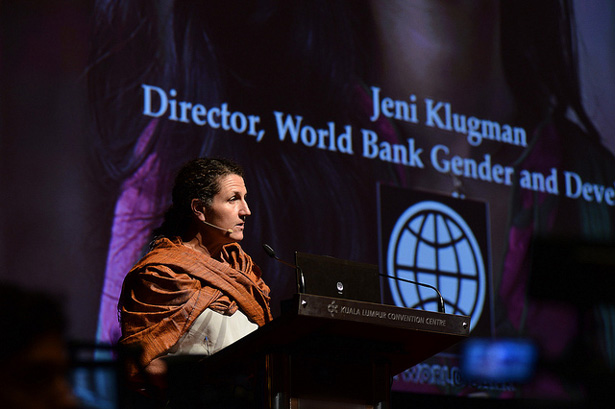
The disempowerment of women and girls is the single biggest driver of inequality today, said Helen Clark, administrator of the UN Development Program, during a plenary on the final day here at the Women Deliver conference in Kuala Lumpur, where more than 4,500 people from 149 countries and 2,200 organizations gathered to discuss women’s health, equity, and international development.
-
Midwives, the Frontline and Backbone of Maternal Health, Face Insecure Working Environments
›
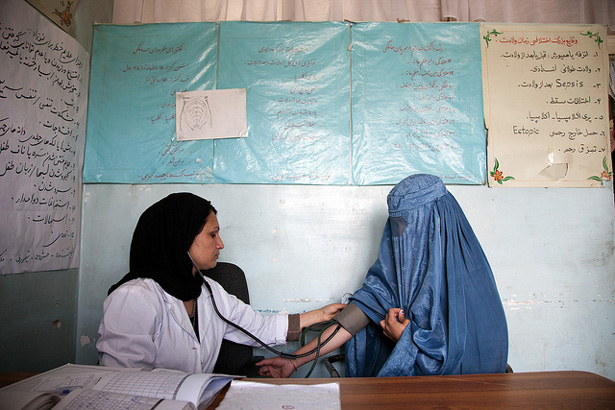
Midwives play a critical but unheralded role in maternal health. Their skills are sometimes marginalized in otherwise well-meaning discussions about professionalizing care, or even worse, they are subject to abuse, as was discussed at the Wilson Center earlier this month. So when I found the room overflowing at a Women Deliver panel yesterday on the disempowerment of midwives and how much it undermines global efforts to increase access to care, I took that as a good sign that midwives will not be overlooked much longer.
-
Women: Producers, Not Just Reproducers
›A major theme on day one of the global Women Deliver conference here in Kuala Lumpur was that “women are not just reproducers, they’re producers.” That is, maternal health and other gender-related issues not only affect the lives of women, girls, and children, but help shape the economies and societies that they live in.
-
Measuring Community Resilience: Implications for Development Aid
›A staggering amount of development dollars – one in three, in fact – are lost due to natural disasters and crises. Certain communities are less affected than others by such disasters; they are more resilient. Knowing where vulnerability and strength exist and how to bolster them could help avoid these losses. Yet, today, very little data exists to help development practitioners understand which adaptive capacities are lagging in a given community.
-
In Kuala Lumpur, U.S. Congressional Staffers Briefed on Maternal Health Challenges in India
›It’s funny when you bump into your neighbors on the other side of the world. Today I spoke about the Global Health Initiative’s recent collaboration with the Population Foundation of India at a regional briefing on health in South and Southeast Asia before the 2013 Women Deliver conference in Kuala Lumpur, Malaysia. The special roundtable was part of a week-long study tour for a group of U.S. Congressional staffers that work on foreign affairs.
-
Combining Health and Food Security in Mozambique: Interview With Pathfinder International’s SCIP Project
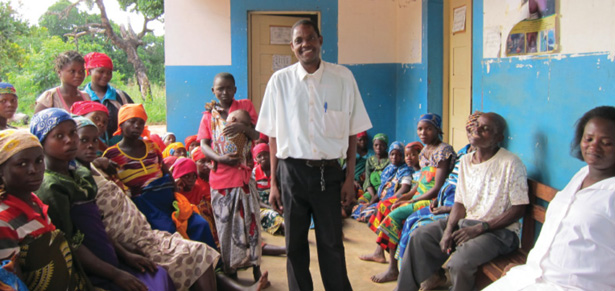
›Pathfinder International’s Strengthening Communities Through Integrated Programming (SCIP) is part of a new push towards integrated development – looking at communities as a whole and addressing multiple, traditionally-siloed sectors at once. SCIP integrates both its activities and its funding to great effect in Mozambique.
-
Looking Back to Get Ahead: FEMA’s Strategic Foresight Initiative on Natural Disaster Preparedness
›Natural disasters have dominated news coverage in the past several years, with many observers noting a distressing rise in the frequency and scale of disasters as well as rising costs. Despite these worrying trends, a critical mass of leadership and public support for doing something about it is emerging.
-
Matthew Berger, The Interdependent
A Global Thirst for Water Security
›May 10, 2013 // By Wilson Center StaffThe original version of this article, by Matthew Berger, appeared on The Interdependent.
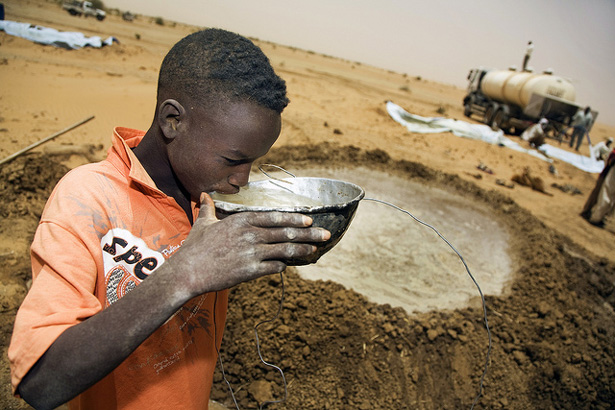
Last summer, after walking for days to a refugee camp across the South Sudan border, some Sudanese refugees reportedly chose to dig holes to reach muddy water rather than face the fist-fights breaking out around a failing tap. Boreholes dug by aid agencies collapsed in the crumbling soil. Even the coming rainy season brought more challenges than relief, washing out roads used by water tanker trucks and threatening the camp with flooding.
Showing posts from category zz Organizations.