-
Oil in South Sudan: Turning Crisis Into Opportunity
›
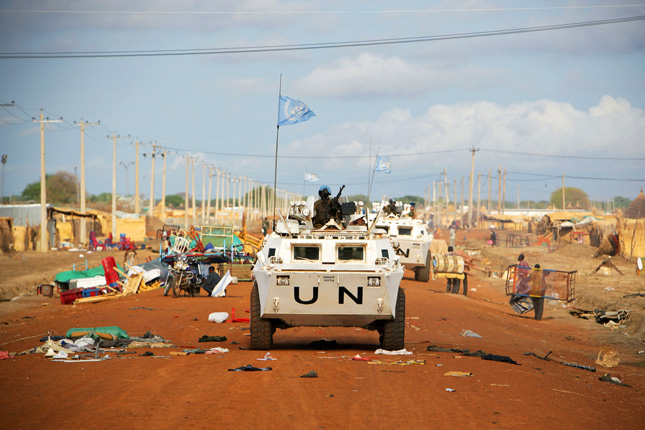
Outside of donor and humanitarian aid, South Sudan’s economy is almost entirely dependent on the oil sector – and that sector is in crisis.
-
Water, Sanitation, and Hygiene Programs as a Strategy to Advance Maternal Health
›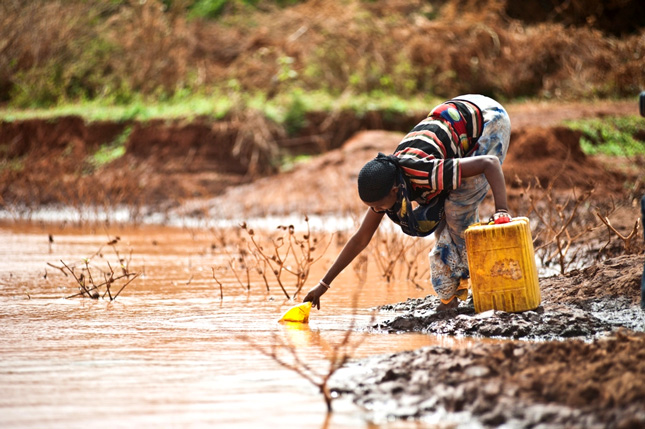
Of all the Millennium Development Goals, the maternal health and sanitation targets are among the farthest off track, said Rebecca Fishman, operations and special projects director of WASH Advocates. [Video Below]
-
Not There Yet: Burma’s Fragile Ecosystems Show Challenges for Continued Progress
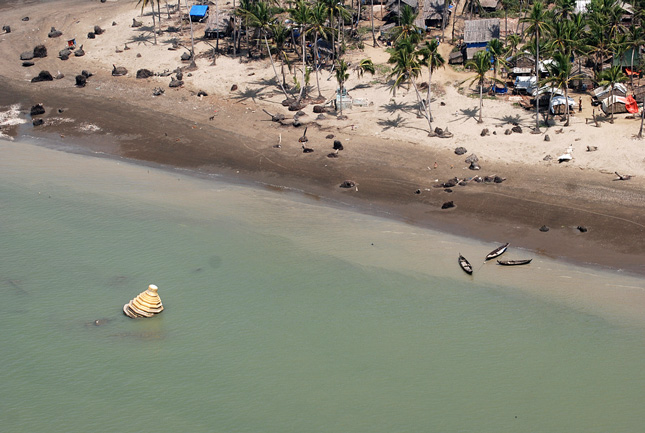
›Political and economic changes in Burma have been as rapid as they are surprising. In just three years, the country has gone from an isolated military dictatorship to a largely open country that is at least semi-democratic and has formally adopted a market economy. Both the European Union and the United States have eased economic sanctions, and dozens of foreign firms have moved in. Foreign direct investment increased by 160 percent in 2013 alone.
-
USAID Launches New Water, Conflict, and Peacebuilding Toolkit
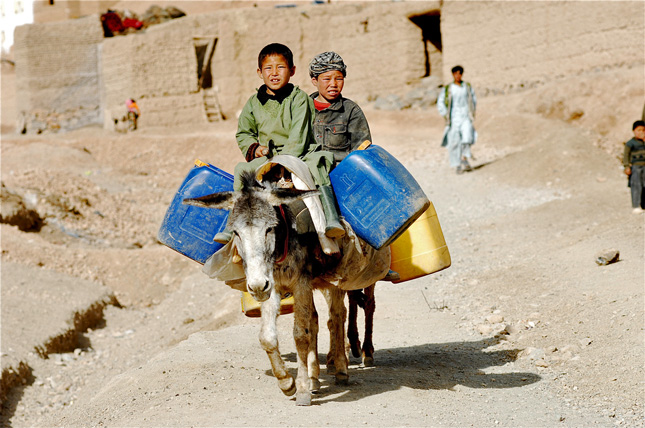
›With almost 800 million people currently lacking access to clean water and two-thirds of the world’s population projected to face conditions of severe water stress by 2025, disputes over water are a growing global concern. But while dwindling water supplies sharpen focus on conflict, long-term peacebuilding opportunities are often overlooked. [Video Below]
-
High Food Prices an Unlikely Cause for the Start of the Arab Spring
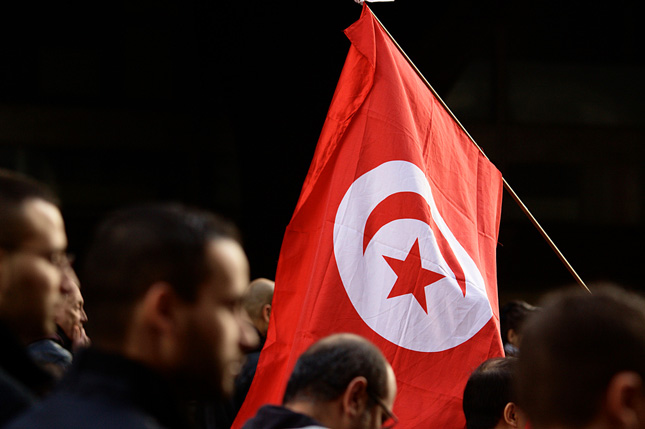
›April 7, 2014 // By Richard CincottaJust months after popular uprisings toppled Tunisia and Egypt’s authoritarian regimes, a trio of complex-system researchers published a brief article linking these demonstrations with high levels of the UN Food and Agriculture Organization’s international Food Price Index. Marco Lagi, Karla Bertrand, and Yaneer Bar-Yam’s model, which predicts outbreaks of deadly social conflict when the index tops 210, has since become a popular explanation wielded by many for bouts of popular unrest, including the Arab Spring and overthrow of Ukraine’s government. But were food prices really an underlying “hidden” cause for the start of a wave of instability that is still being felt today?
-
John Pielemeier: Population, Health, and Environment Programs Need to Prove It Before Becoming Mainstream
›
A new model of integrated development, combining population, health and environment (PHE) interventions, is efficient, effective, and relatively inexpensive. But more rigorous program evaluations are necessary to prove its value, argues John Pielemeier in this week’s podcast.
-
Assessing Climate Vulnerability and Adaptation: IPCC Working Group II in Their Own Words
›The latest report by the United Nations Intergovernmental Panel on Climate Change (IPCC) brings new evidence to bear on the real and potential impacts of climate change, emphasizing the need to manage risks and build resilience. In a dramatic, slickly produced video accompanying the much-anticipated Working Group II contribution to the report, released on March 30, several of the working group’s dozens of authors discuss key issues addressed in their section, which covers “impacts, adaptation, and vulnerability.”
-
For Maternal Health, What Role Will Universal Health Coverage Play in a Post-MDG World?
›The global maternal health agenda has been largely defined by the Millennium Development Goals (MDGs) for the last decade and half, but what will happen after they expire in 2015? What kind of framework is needed to continue the momentum towards eliminating preventable maternal deaths and morbidities? [Video Below]
Showing posts from category zz Organizations.