-
Laurie Mazur, Aspen Institute
Why Women Are Key to Addressing Climate Change, Hunger, Health, and Development
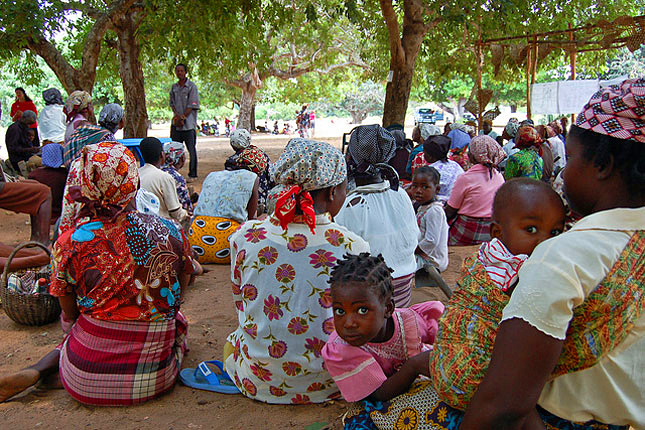
›October 30, 2014 // By Wilson Center StaffPolicymakers typically address issues like climate, food security, development, and reproductive health separately. But that is not how those issues are experienced by women in developing countries. “At the ground level, these issues overlap 100 percent,” said Dr. Yetnayet Asfaw of EngenderHealth during a recent dialogue on global health and development held at the IMF/World Bank Annual Meetings’ Civil Society Policy Forum.
-
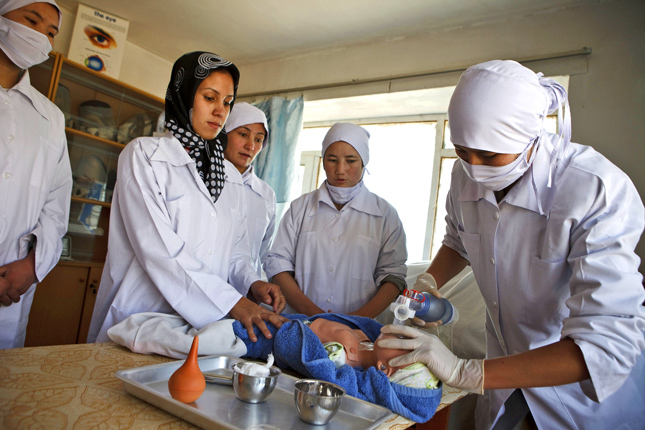
Innovative Technology and Trainings Empower New Generation of Midwives
›
Imagine you are a physician working in a rural health center in a developing country. You’re helping a woman deliver her baby, and it’s just arrived but is not breathing. Meanwhile, the mother has started to hemorrhage. You’re the only one working in the clinic that day, and many life-saving treatments need to start within one minute. You have 60 seconds to make decisions that could cost the lives of two people. [Video Below]
-
Andrea Ó Súilleabháin, Global Observatory
Overlooked Among 50 Million Displaced Worldwide, Women and Girls Lose Out
›October 23, 2014 // By Wilson Center Staff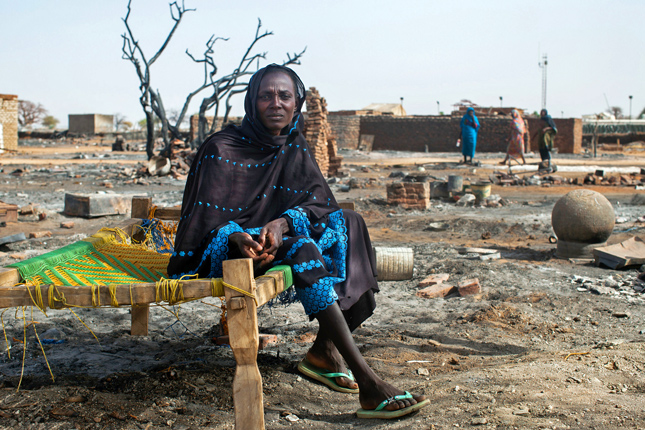
Mass displacement has become a significant feature of recent conflicts, as the number of people forced to flee their homes has passed 50 million worldwide, a level not seen since World War II. This is one of the reasons why the UN Security Council will focus on women refugees and internally displaced persons (IDPs) during its annual open debate on women, peace, and security on October 28, according to Elizabeth Cafferty, senior advocacy officer at the Women’s Refugee Commission.
-
What’s Youth Got to Do With It? Investing in Youth Sexual and Reproductive Health a Development Bargain
›“Half of the world’s population is under 30 – any development agenda would have to address their needs, including their health needs, as part of accomplishing development goals,” said Jennifer Adams, deputy assistant administrator at USAID’s Bureau for Global Health, at the Wilson Center on September 24. [Video Below]
-
Dr. Harshad Sanghvi: Reducing Maternal and Child Deaths Requires Better Trained, Empowered Health Workers
›
Technological solutions, like improved equipment and logistical tools, have been trumpeted as keys to finally ending preventable maternal and child deaths. “But it’s not just technology innovation that we need; it is systems innovation,” says Dr. Harshad Sanghvi in this week’s podcast.
-
UN Further Refines Population Projections: 80 Percent Probability of 10-12 Billion People by 2100
›October 16, 2014 // By Elizabeth Leahy MadsenSeasoned demography geeks know to anticipate the release of the UN Population Division’s World Population Prospects in the spring of odd-numbered years. An off-cycle update published last month in Science, summarizing new results and methodological changes to the projections, therefore provoked a buzz of interest and a mini-flurry of media coverage.
-
More Focused Priorities Critical for Sustainable Development Goals, Says Genevieve Maricle
›
Leaders from around the world gathered in New York last month to discuss the replacements for the Millennium Development Goals, which expire next year. The topics included human rights, economic development, justice, disarmament, and terrorism, just to name a few. And that’s a problem, says Genevieve Maricle, policy adviser to the U.S. Ambassador at the U.S. Mission to the UN, in this week’s podcast.
-
Is Food Aid Helpful or Harmful in Conflict-Affected Areas?
›Food aid is one of the most common humanitarian interventions, but it has come under increasing scrutiny from some observers who charge it may not be an effective means of addressing food security and may actually make matters worse. Two recent studies examine the relationship between food aid and conflict, shedding light on both sides of an ongoing debate.
Showing posts from category zz Organizations.