-
Bridging the Gap: Family Planning, Rights, and Climate-Compatible Development
›
“There is no magic bullet or solution to resolving climate change quickly,” said the Population Reference Bureau’s Jason Bremner at the Wilson Center on October 28. “Our next 100 years will be far different from the last 100 or the last 1000…and it has become clear that nations will have to pursue many strategies in order to reduce emissions, build resilience, and adapt.” [Video Below]
-
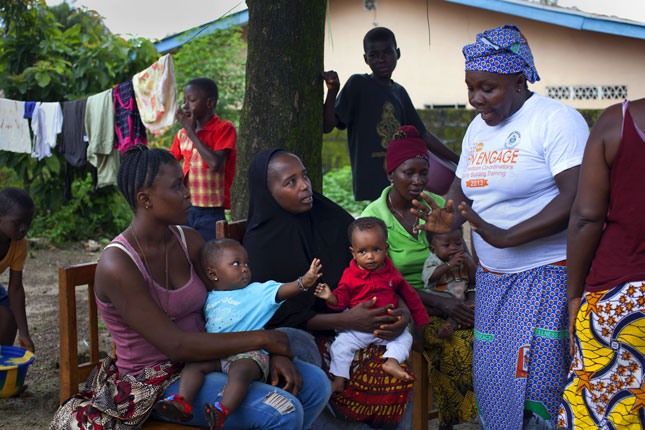
Dr. Luther-King Fasehun, Maternal Health Task Force
To Turn the Tide of Maternal Mortality in Nigeria, Go State by State
›
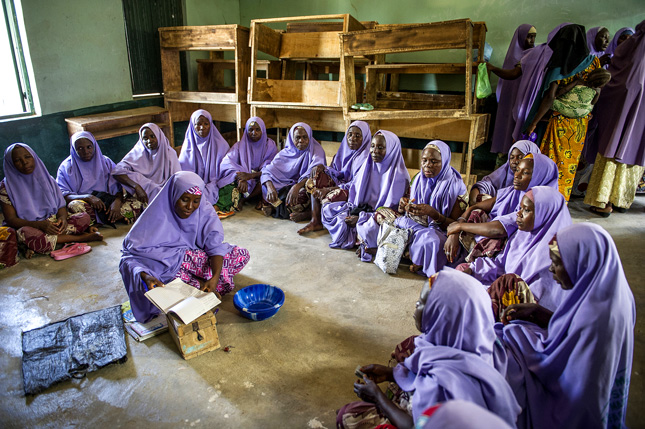
It is no longer news that Nigeria is a peculiar country, a nation with huge human and natural resources, and whose diversity of peoples and internal geographies is a blessing. Sadly, it is also not news that the country represents at least 10 percent of the global maternal mortality burden, with a currently estimated maternal mortality ratio (MMR) of 487 per 100,000 livebirths (as of 2011).
-
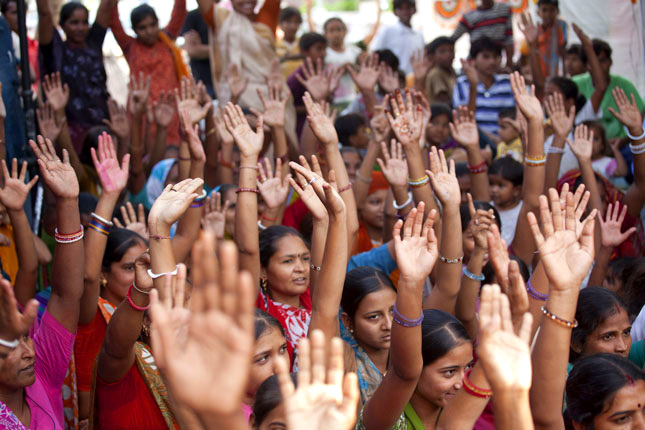
Chernor Bah: Girls Invisible in Most Youth Development Policies
›“Youth in many countries is synonymous [with] masculinity,” says Chernor Bah in this week’s podcast. “Across governments – and I’ve looked at a lot of youth policies – girls are invisible.”
-
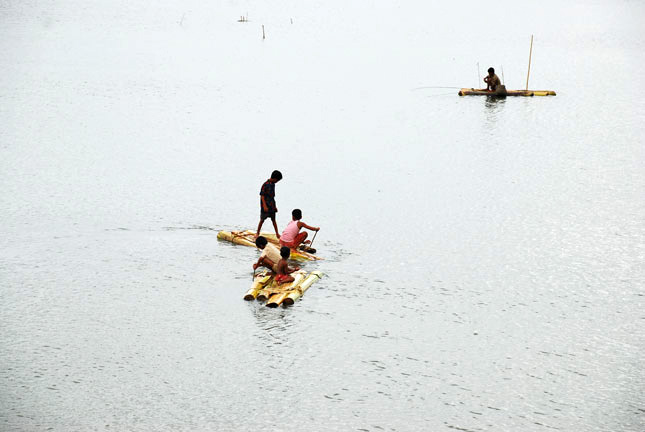
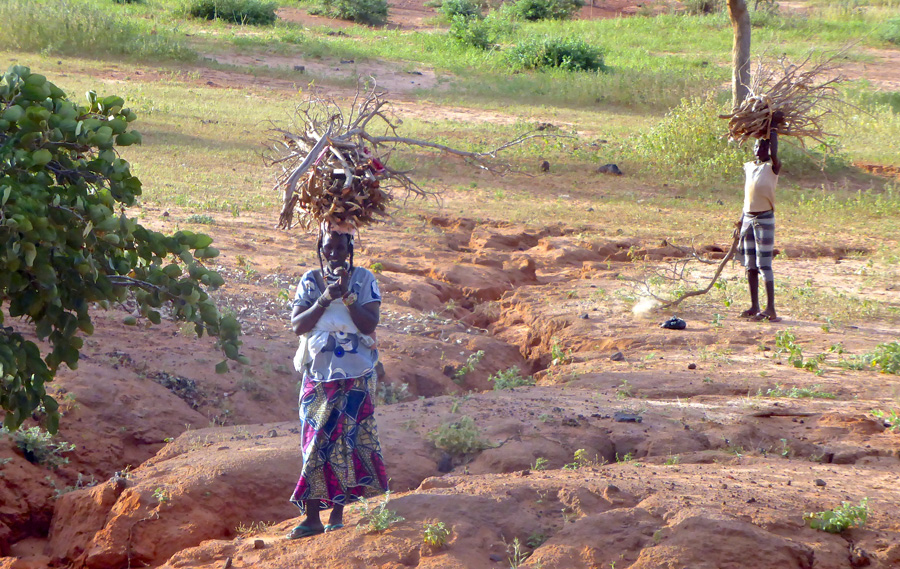
Living Through Extremes: Livelihood Systems Key to Effective, Empowering Resilience Measures
›As climate change upends established patterns of life, resilience – the ability of social and ecological systems to mitigate, endure, and adapt to short-term shocks and long-term stressors – has become a buzzword in development and humanitarian circles. [Video Below]
-
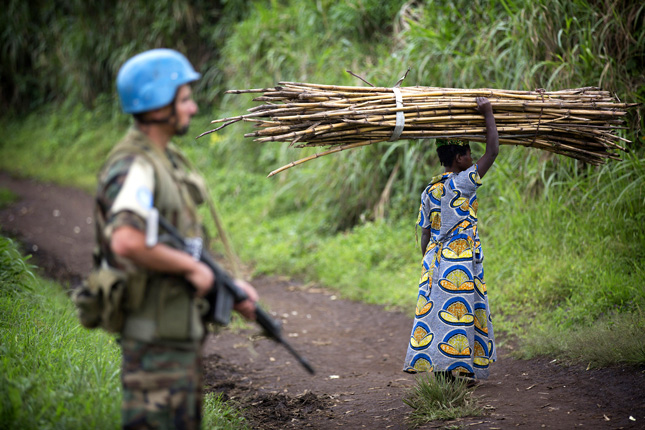
UN Report Highlights Women’s Roles in Natural Resource Management During and After Conflict
›It’s been 14 years since the UN Security Council adopted Resolution 1325 acknowledging women as important agents of change in recovery from conflict and peacebuilding generally. But between 1992 and 2011, only four percent of signatories in 31 major peace processes around the world were women, and only 12 out of 585 peace agreements referred to or made provisions for women’s needs in the reconstruction process.
-
Crunching the Numbers on Climate Change, Conflict, and Food Aid
›Two studies push back on recent analyses that claim to demonstrate empirical links between food aid and conflict and climate change and conflict. -
UNFPA: World’s 1.8 Billion Young People Need to Be More Involved in Development
›“A world in which a quarter of humanity is denied full enjoyment of their rights is an unjust world,” said Kate Gilmore, deputy executive director of the United Nations Population Fund (UNFPA). “It’s a world without the building blocks for human progress, for human peace, for human security.” [Video Below]
-
What Climate Conflict Looks Like: Recent Findings and Possible Responses
›Climate change and conflict – what’s the relationship? In a recently completed set of field-based studies for USAID, the Foundation for Environmental Security and Sustainability set aside “yes-or-no” questions about whether climate change causes conflict and replaced them with pragmatic and politically informed questions about how climate change is consequential for conflict in specific fragile states.
Showing posts from category zz Organizations.