-
Ken Conca, The Guardian
A Healthy Environment Is a Human Right
›October 6, 2015 // By Wilson Center Staff
For all its flaws, the United Nations remains the only plausible forum for engaging broad global challenges like sustainable development. The most important environmental achievements of the past 40 years – the rise of environmental awareness, the birth of key ideas such as sustainability or the common heritage of humanity and the most important global treaties for environmental protection – all bear the UN stamp in one way or another. We could have added environmental human rights to that legacy last month, but we failed.
-
Ruth Greenspan Bell, Foreign Affairs
What Will It Take to Break the Climate Gridlock? Learning From Iran and Cuba
›September 29, 2015 // By Wilson Center Staff
United States President Barack Obama invested four years and his top diplomats in containing Iran’s nuclear capabilities. He did this because an armed Iran is an existential threat to its neighbors, its region, and the world. Obama’s efforts in the talks stand in marked contrast to those geared toward addressing an even bigger and longer-term existential threat – containing climate change. The conditions that allow humans to survive, evolve, and thrive on earth are being compromised; radical changes in the climate promise a very uncertain future.
-
Scenario Planning for Development: It’s About Time
›Scenario planning has a long history. The RAND Corporation employed it heavily in planning for potential U.S. responses to nuclear war and 16th century Spanish Jesuit theologians pointed to the idea as proof of free will. But in many respects this powerful set of methodological tools for managing complexity and uncertainty remains underused, especially beyond the defense, intelligence, and business communities.
-
From Gaza to the Euphrates, Alarm Bells for Mideast Water Resources
›The board of the United Nations’ lead organization on trade and development, called UNCTAD, released an assessment of Gaza’s development challenges during their annual meeting in Geneva this month and the news is not good. In 2012, the UN warned that a “herculean” development effort would be to keep pace with Gaza’s rapid population growth. Since then, more fighting with Israel has made things worse, particularly with regard to water and food security. Ninety-five percent of the water from Gaza’s coastal aquifer is unsafe for drinking without treatment, the report says. Contamination and over-extraction may even render it unusable by next year and damage may be irreversible if not addressed in the next five years. -
Peace Park Expedition to Balkans Reveals Tensions Over Development, Rule of Law for New Governments
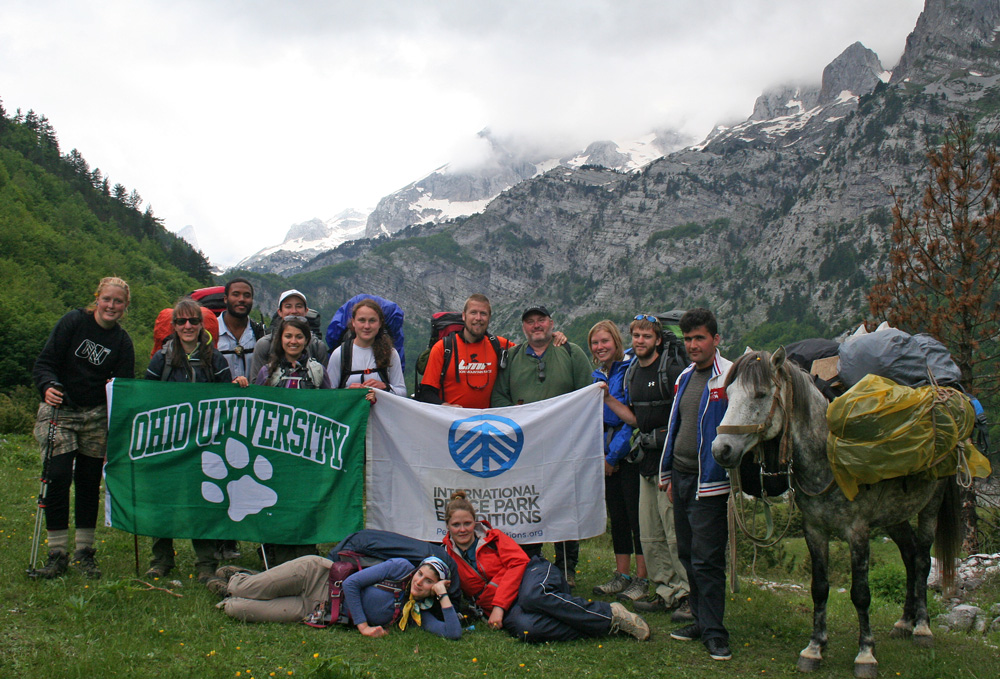
›One of the last biodiversity hotspots in Europe was also backdrop to one of its last violent conflicts and now home to its newest nation states. The Prokletije/Bjeshket e Nemuna Mountains, often referred to as the Southern Alps, are a large expanse of wilderness and stunning alpine landscapes that form the border between Montenegro, Albania, and Kosovo. Three national parks share borders and form a patchwork of protected land that could be the basis for an international peace park – a shared resource that could promote cross-cultural exchange collaborative natural resource management, and eco-tourism.
-
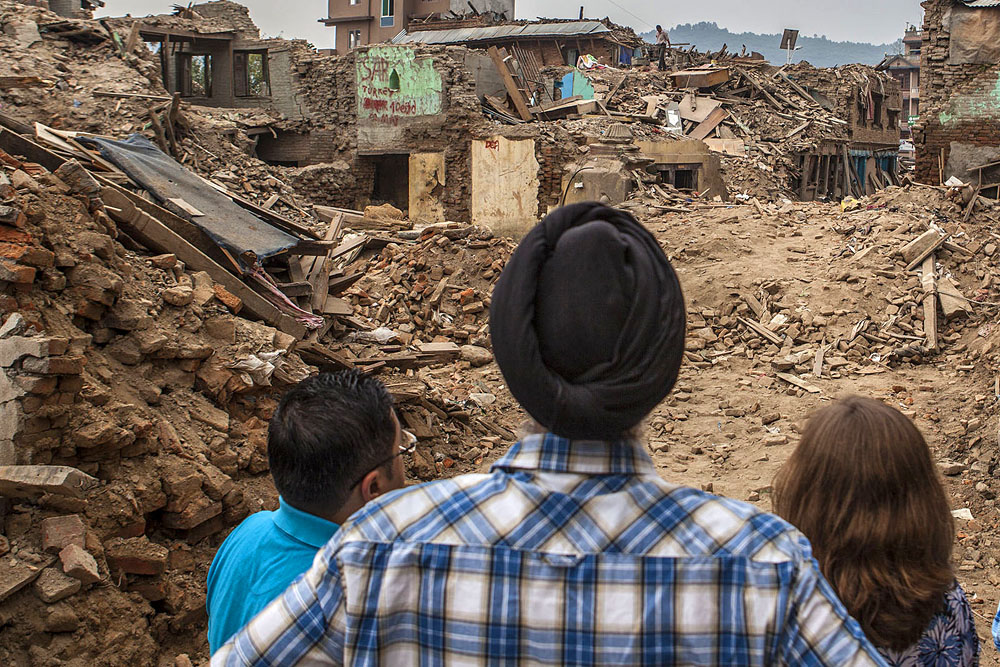
John Furlow on Better Coordination for Better Climate Adaptation
›“We [need to] stop treating ‘adaptation’ like a sector,” says John Furlow, climate change specialist at the U.S. Agency for International Development (USAID), in this week’s podcast, “but start treating it as a stress or a risk that undermines the development sectors, the environmental sectors, the social sectors that we care about.” -
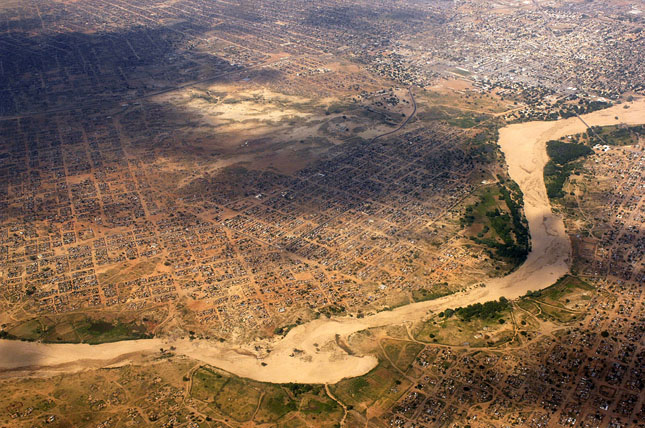
Violence Over Land in Darfur Demands We Look Again at Links Between Natural Resources and Conflict
›Given that there have been three major peace processes in Sudan’s troubled western province of Darfur, the current escalation of violence indicates that perhaps something about existing approaches is failing to hit the mark. Identifying what is missing is vital – not just for Darfur, but for other areas with similar challenges of state fragility, poverty, and competition over natural resources.
-
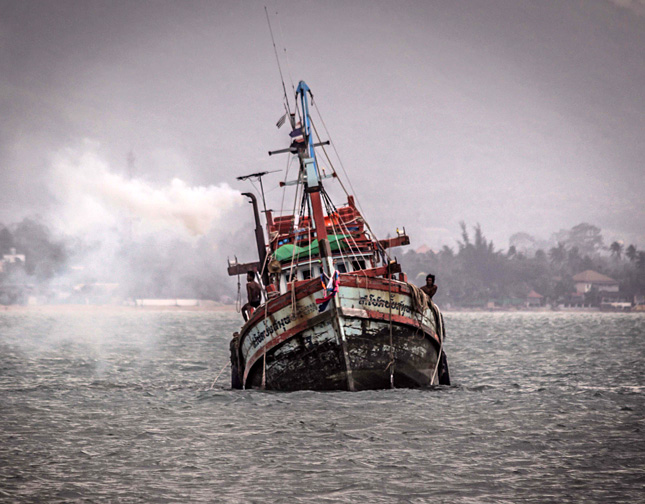
Crossing Borders and Defying Policing, Abuses of Thailand’s Fishing Industry Challenge International System
›August 18, 2015 // By Linnea BennettSomewhere off the coast of Thailand, “ghost ships” bump and crash along the choppy waves scrapping the sea floor with nets that spare nothing. Pulling up these illegal hauls in shifts that sometimes last 20 hours are thousands of migrant fishermen, many of whom have been forced into indentured servitude or kidnapped. Far from shore on unregistered boats, they have little hope of escape and face daily abuse and squalid conditions. More recently, some captains have turned to trafficking Rohingya fleeing persecution in Myanmar, pressing some into service, extorting others, and taking sex slaves.
Showing posts from category zz Organizations.

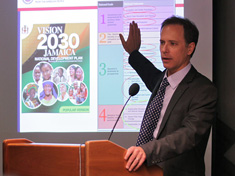 “We [need to] stop treating ‘adaptation’ like a sector,” says John Furlow, climate change specialist at the U.S. Agency for International Development (USAID), in this week’s podcast, “but start treating it as a stress or a risk that undermines the development sectors, the environmental sectors, the social sectors that we care about.”