-
We Have to Put the Last Mile First: Ensuring Sexual and Reproductive Health for All
›
Whether marginalized populations, such as adolescents, LGBTQ+ people, migrant workers, and sex workers are included in health services can be a “litmus test” of our progress towards universal health coverage (UHC), said Sivananthi Thanenthiran, Executive Director of Asian-Pacific Resource and Research Centre for Women (ARROW). Thanenthiran spoke at a recent Wilson Center event with the United Nations Population Fund (UNFPA) and the World Health Organization (WHO) Department of Sexual and Reproductive Health and Research about the importance of engaging stakeholders in sexual and reproductive health (SRH) to achieve UHC for all. In SRH services, the most marginalized and most vulnerable populations are often left out, she said. When engaging stakeholders, representatives from these groups must be included to ensure equity in healthcare services.
-
Benjamin Pohl, Climate Diplomacy
Sustaining a climate for peace
›June 14, 2021 // By Wilson Center Staff
-
A Conversation with Dr. Nahid Toubia: Bodily Autonomy and the 2021 State of World Population Report
›Africa in Transition // Dot-Mom // Friday Podcasts // May 28, 2021 // By Hannah Chosid & Deekshita RamanarayananBodily autonomy is something almost innate in us, and yet also a Eureka moment for many people, says Dr. Nahid Toubia, Director for the Institute of Reproductive Health and Rights in Sudan on this week’s episode of Friday Podcasts. “Every human being really has the right to own their body, to own their decisions, to own their choices regarding their life, their futures, how they want to live, who they want to partner, whether they want to have children or not, what kind of families they want to have,” she says. “So, all of these choices are all wrapped up in this concept of body autonomy.” -
Why We Need a Climate Security Course-Correction for Stability in the Sahel
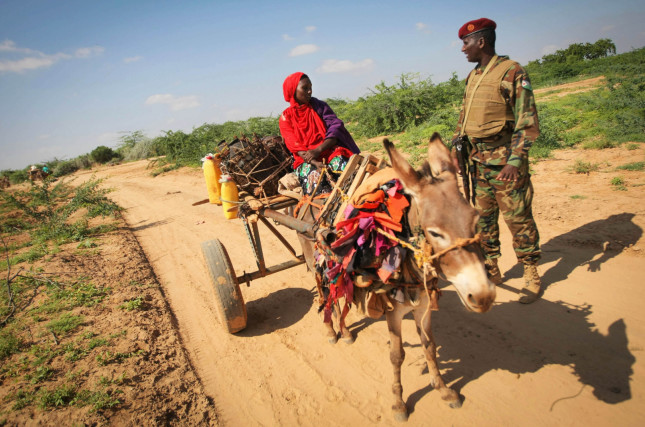
›Not only is the Sahel highly vulnerable to the impacts of climate change, but it is also one of the regions where climate change is most likely to undermine security and trigger violent conflict. Now more than ever, climate security risks must be effectively integrated into stabilisation and peace operations in order to achieve stability in the region.
-
Elizabeth L. Chalecki, The Internationalist
An Internationalism that Protects: Why We Need to Reboot the Baruch Plan for Geoengineering
›March 26, 2021 // By Wilson Center StaffNew planet-changing geoengineering technology is available to help humanity combat an existential security threat. However, like atomic fission, this technology is not to be jumped at without caution.
This year is the seventy-fifth anniversary of the Baruch Plan. Almost no one knows this, or if they do, they probably don’t remember who Bernard Baruch was, or what his eponymous plan was for. But the Baruch Plan of 1946 was our first and last real attempt at world governance of nuclear weapons. Three-quarters of a century later, the ill-fated effort carries important lessons for addressing the crisis of climate change.
-
Sue Biniaz on Getting the U.S. Back on Track for Climate Action
›“The more the United States can get itself back on track, the better position it is in to exercise climate leadership,” says Sue Biniaz, a member of Special Presidential Envoy for Climate John Kerry’s team, in today’s Friday Podcast. Biniaz spoke about the Biden administration’s efforts to center climate change in U.S. foreign policy and national security at a recent Wilson Center event on climate security risks in the Arctic. -
A Conversation with Steven Gale on USAID’s New Foresight Unit
›“I think most people will agree today that the development landscape is, well, it’s highly uncertain, it’s increasingly complex,” says Steven Gale, Lead of the Futures/Foresight Team at the U.S Agency for International Development (USAID), in this week’s Friday Podcast. “I think the future is even going to be more complex.”
-
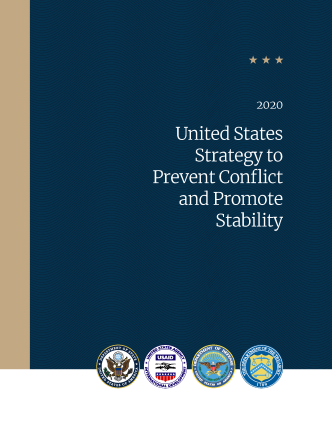
New U.S. Global Fragility Strategy Recognizes Environmental Issues as Key to Stability
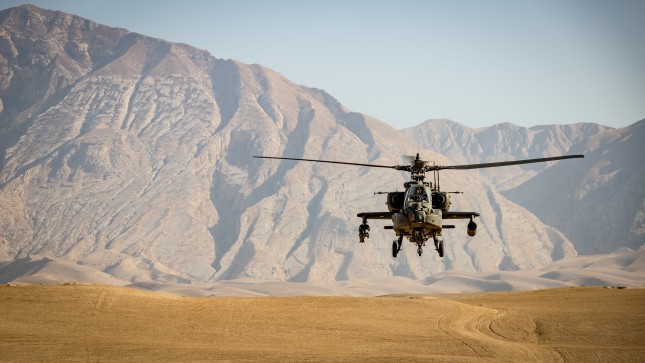
›A new Global Fragility Strategy, released late last year by the U.S. Department of State, signals a growing awareness of the role that environmental issues play in fragility, conflict, and peace. According to the State Department’s Office of Foreign Assistance, in the last five years alone, “the U.S. government has spent $30 billion in 15 of the most fragile countries in the world.” These “large-scale U.S. stabilization efforts after 9/11 have cost billions of dollars but failed to produce intended results,” writes Devex’s Teresa Welsh. As a result, Congress passed into law in 2019 the Global Fragility Act, legislation that directed the Department of State to lead the development of a new 10-year Global Fragility Strategy that sets out a new U.S approach to conflict prevention and stabilization in fragile contexts.
Showing posts from category zz Organizations.
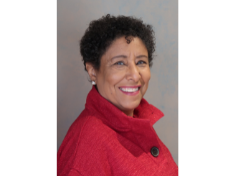

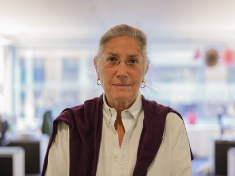 “The more the United States can get itself back on track, the better position it is in to exercise climate leadership,” says Sue Biniaz, a member of Special Presidential Envoy for Climate John Kerry’s team, in today’s Friday Podcast. Biniaz spoke about the Biden administration’s efforts to center climate change in U.S. foreign policy and national security at a recent