-
Forecasting Development: Observations From Scenario Planning for Bosnia and Herzegovina
›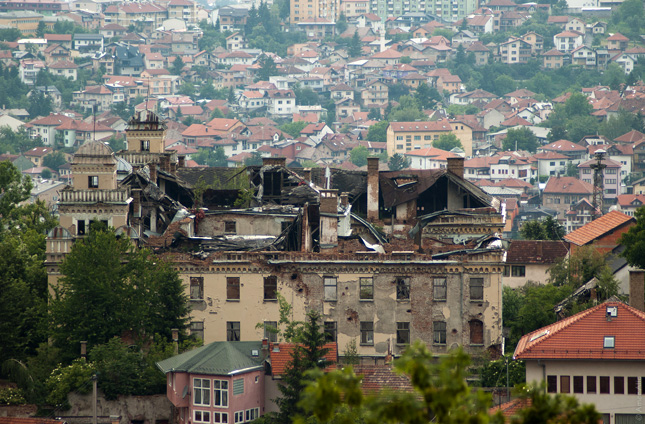
I’m planning a road trip and I want to know what to pack. I could rely on what I’ve learned from past trips or what it looks like out the window right now, but what would really help are a weather forecast and a guidebook telling me what I might expect. It’s no guarantee against a wrong turn or two, but it will certainly better prepare me for the road ahead and help me take advantage of opportunities along the way.
-
Sharon Burke on How the U.S. Military Is Planning for Climate Change
› Climate change is impacting the U.S. military in two major ways, explains Sharon Burke in this week’s podcast.
 -
To Fight Zika, Coordinating Agencies Must Prioritize Effective Knowledge Management
›Zika is a global health challenge. Since its outbreak in Brazil last May, the virus has spread to more than 30 countries and territories and ignited global discourse about family planning, vaccine development, reproductive rights, contraceptive security, and even gender norms.
-
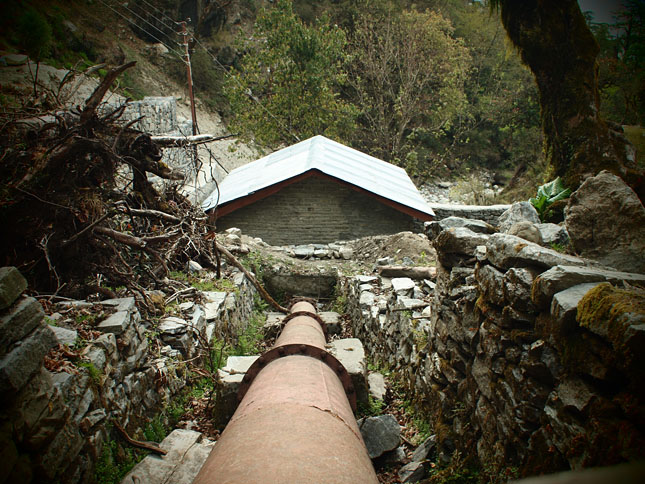
Community Empowerment vs. State Stability? Lessons From Nepal’s Micro-Hydropower Projects
›Post-war countries are among the most difficult policy arenas. The challenge is not only to stop violence and prevent violence from rekindling, but moreover to help countries reset their internal relations on a peaceful path. Increasingly, researchers and practitioners are interested in the potential of natural resources in post-war settings in the hope that good governance and sustainable management can contribute to this reset. Indeed, the international community acknowledged the relevance of the link between peaceful societies and environmental issues by including both in the Sustainable Development Goals.
-
Leslie Rose, Global Waters
Incubating Innovation: Solutions for a Parched Earth
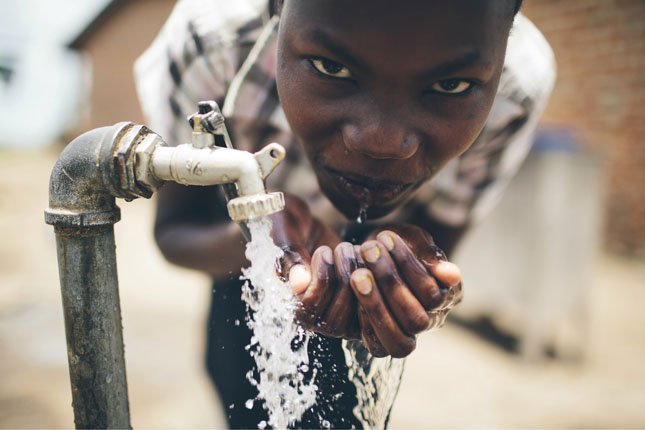
›March 24, 2016 // By Wilson Center StaffMassive droughts and water demands from a world population projected to grow to 9 billion by 2050, translate to food insecurity and lack of water for agriculture. Securing Water for Food sources and invests in a portfolio of innovative solutions that help farmers use water more efficiently and effectively; improve water storage for lean times; and remove salt from water to make more food.
-
Call for Papers: Reducing Urban Poverty 2016 Graduate Student Paper Competition
›To encourage a new generation of urban policymakers and promote early career research, the Wilson Center, U.S. Agency for International Development, IHC – Global Coalition for Inclusive Housing and Sustainable Cities, World Bank, and Cities Alliance are sponsoring the 7th Annual Urban Poverty Paper Competition. The competition is open to graduate students working on topics related to urban poverty in the developing world.
-
Kabul Greenbelt Project Aims to Restore Some Luster to War-Ravaged Capital – and Resilience Too
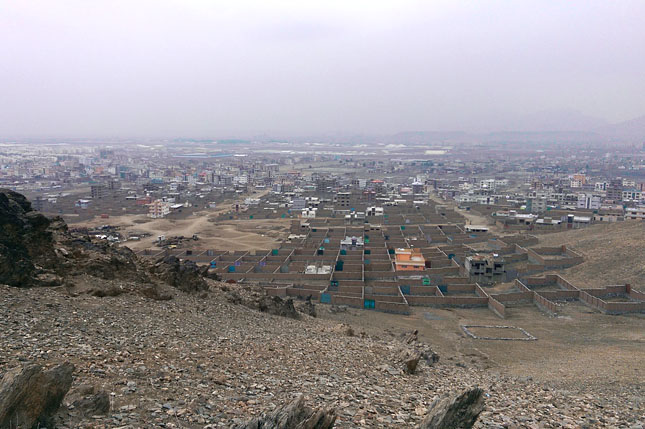
›It’s hard to imagine today, but Kabul was once ringed with grassy areas and shrubs, a few trees in areas too. Some of my husband’s favorite recollections of early 1970s Afghanistan are of simple family picnics in picturesque parks. Hours of lounging, grilling kebab, preparing rice, and conversing were a respite from the oppressive heat of the capital. Sometimes a picnic would become an all-night, extended family gathering. The Gardens of Paghman were a favorite destination with rows of pine trees, roses, and cool fountains. Pre-war family photos reveal neatly trimmed trees, bushes, and ample grassy areas for impromptu games. The family picnic is still popular among the Afghan diaspora. In the United States, Afghan community events are often held in parks, and involve large, multi-family picnics.
-
1.3 Meters of Sea-Level Rise By 2100, and the Effects of Belo Monte’s Forced Displacement
›A study published by the Proceedings of the National Academy of Sciences projects future sea-level rise with a new model, providing crucial information for coastal planning and further impetus to cut carbon emissions. Sifting through data on thermal expansion and retreating glaciers, the two leading causes of sea-level rise in the past century, the authors confirm that sea level is rising at an unprecedented rate.
Showing posts from category zz Organizations.
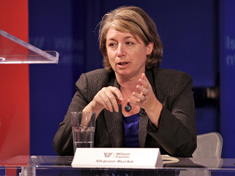 Climate change is impacting the U.S. military in two major ways, explains Sharon Burke in this week’s podcast.