-
Paris Was a Success, But the Climate-Security Response Is Lagging, Says Nick Mabey
›
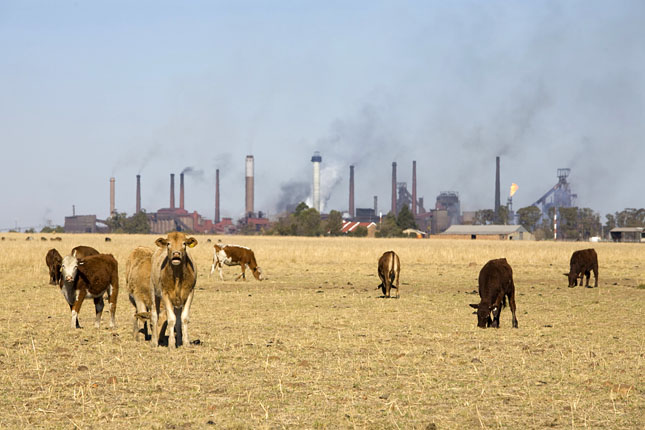
In the months leading up to the United Nations conference on climate change in Paris last fall, expectations were high. And the result actually exceeded those expectations in many respects, says Nick Mabey, director and chief executive at the environment consultancy E3G, in this week’s podcast.
-
The Case for a Caribbean Carbon Market
›
In an effort to scale-up climate change mitigation, the largest private sector engagement in the history of the United Nations was drafted to fund clean technology projects in developing countries. Carbon credits were to offset pollution in developed nations and pay for clean energy projects in developing countries. But many developed countries, including the United States, spurned the agreement, preferring to manage greenhouse gas emissions internally and build or retrofit infrastructure in ways that directly benefited their economies. The ambitions of the Kyoto Protocol, which went into effect in 2005, were subsequently stranded and then scrapped.
-
Should the UN Security Council Take Up Climate Security Issues? Ken Conca on Institutional Change
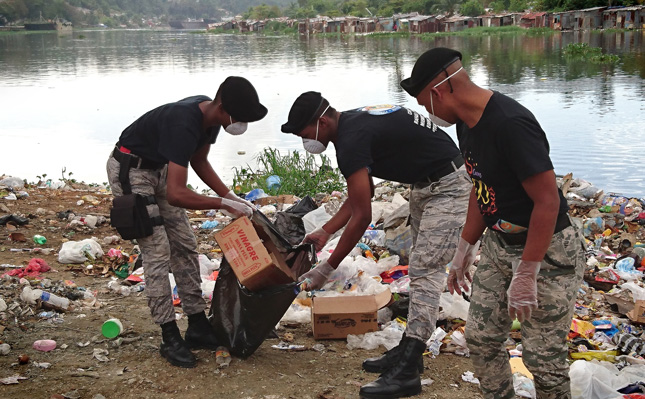
›As the dust settles on the newly minted Sustainable Development Goals (SDGs) and Paris climate agreement, countries have begun tackling operational questions aimed at limiting global warming to two degrees Celsius and ensuring peaceful, sustainable development. -
The Future of the Sustainable Development Goals
›“As we go forward, we will discover that 2015 was when we really started getting serious about transdisciplinary challenges inherent in sustainable development,” said Melinda Kimble, senior vice president for programs at the UN Foundation, at the Wilson Center on April 13. [Video Below]
-
Ethiopian Drought Response a Sign of How Far We’ve Come and Where We Need to Go
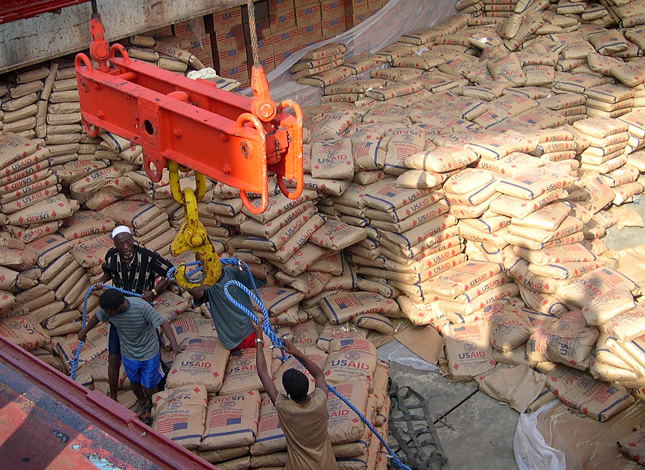
›Drought in Ethiopia, exacerbated by El Niño, has put more than 10 million people in a position of being unsure how long they will have food and where it will come from next. Inevitably, the drought has been compared to the infamous drought of 1983-1984 that led to the worst famine in the country’s history, making millions destitute, and contributing to the deaths of 400,000. But Ethiopia is in a very different place today than it was in 1983.
-
Free Lunch: The Development Argument for Taking Zika More Seriously
›I recently returned to Washington, DC, after 10 days in India. New Delhi was warm, moist, crowded – and buzzing with mosquitoes. Fortunately, at least for now, their bites are little more than an itchy nuisance, which is just as well.
-
Solomon Greene et al., Urban Wire
To Foster Sustainable Development, Cities Need Data – and Permission to Use It
›Cities are where sustainable development challenges like poverty and disaster risk are felt most acutely, particularly as the world’s population shifts to urban areas. But cities can also be incubators for the policies to address those challenges, and local leaders increasingly hold the keys to fostering inclusive growth and mitigating climate change.
-
Feeding the Future? A Closer Look at U.S. Agricultural Assistance in Tanzania
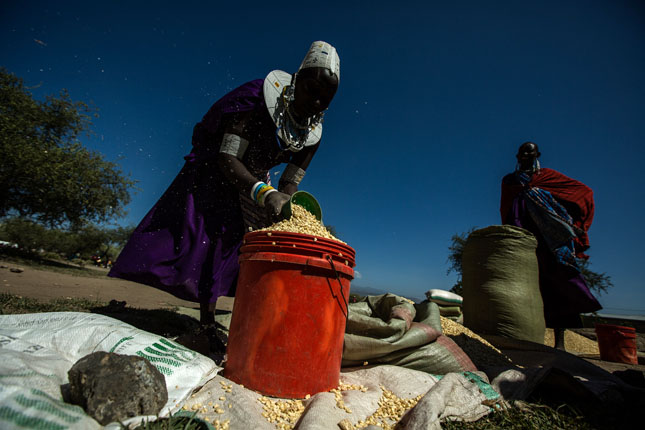
›May 11, 2016 // By Haodan "Heather" ChenBetween 2010 and 2015, Tanzania received more than $320 million in assistance via the U.S. government’s Feed the Future Initiative – the most of any country. But despite these commitments and an average of six to seven percent annual economic growth since 2000, Tanzania did not meet the first Millennium Development Goal: to reduce hunger and extreme poverty by half by the end of 2015.
Showing posts from category zz Organizations.
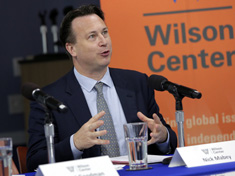
 As the dust settles on the newly minted Sustainable Development Goals (SDGs) and Paris climate agreement, countries have begun tackling operational questions aimed at limiting global warming to two degrees Celsius and ensuring peaceful, sustainable development.