-
An Empty Table? Food-Climate-Conflict Connections in Paris
›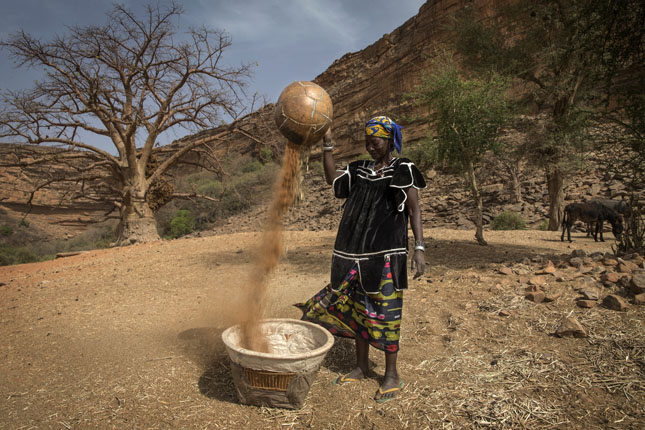
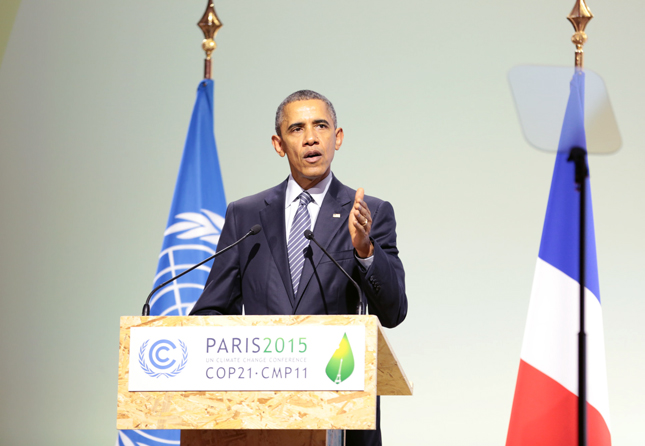
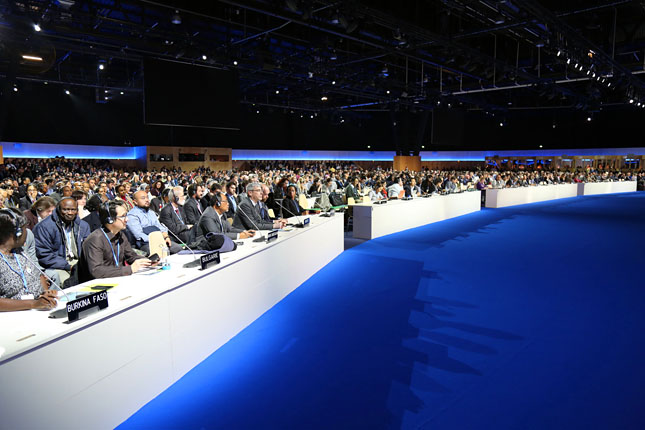
Security, terrorism, conflict, and peace: you won’t find any of these words in the landmark agreement released on December 12 at the 2015 Paris Climate Conference (COP-21). It’s never been front-and-center on the agenda at previous Conference of Parties, from Copenhagen to Cancun. But in Paris, a city reeling from terrorist attacks, the specter of climate-related conflict haunted delegates and the potential of a climate-resilient peace inspired grassroots protests.
-
Fire and Oil: The Collateral Environmental Damage of Airstrikes on ISIS Oil Facilities
›As the United States, Russia, and others step up attacks on the self-proclaimed Islamic State in Iraq and Syria (ISIS), there is concern over their direct and long-term environmental and public health impacts. Many air strikes have targeted lucrative oil installations under the control of ISIS, and these could have severe detrimental effects for Syria’s future, both environmentally and socio-economically. Questions around the effectiveness of these strikes, both from a military and political perspective, seem to be missing in the wider debate.
-
After Paris, What’s the Status of “Environmental Refugees?”
›
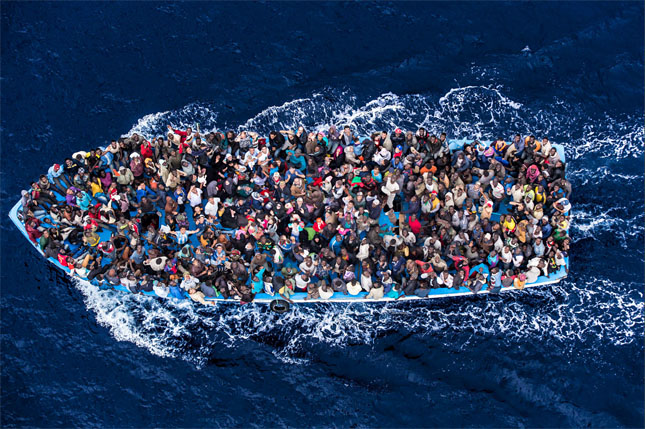
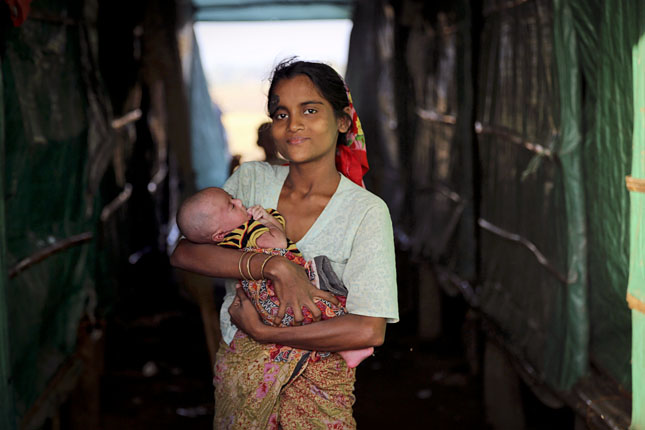
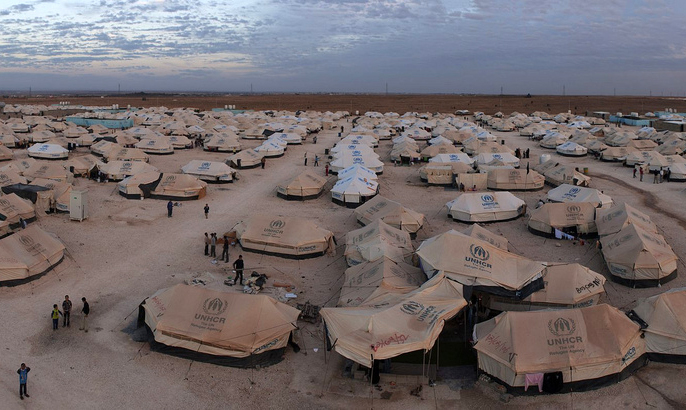
One of the hidden costs of climate change is the displacement of millions of people in some of the poorest regions of the globe. The existing international refugee regime is ill-suited to cope with those seeking refuge from environmental disasters. Countries must get serious about developing coordinated plans to address the issue, lest they be caught by surprise when another humanitarian crisis hits.
-
Shelter From the Storm: State of World Population 2015 Report Launch
›The sexual and reproductive health and rights of women and girls must be protected, even – especially – during “the toughest of times, in the hardest of places,” said Kate Gilmore, deputy executive director of the United Nations Population Fund (UNFPA), at the Wilson Center on December 3. [Video Below]
-
John Wihbey, Yale Climate Connections
Nuancing “Climate Refugee” Language and Images
›December 18, 2015 // By Wilson Center StaffMigrants and Syrian refugees have become the new “stranded polar bear” of climate change imagery. But most such impacts will seldom be so dramatic or camera-ready.
-
Tracking National Security in the Paris Outcome
›Security was inseparable from the climate talks in Paris, from the safety of conference participants to how climate change impacts the stability of nations.
-
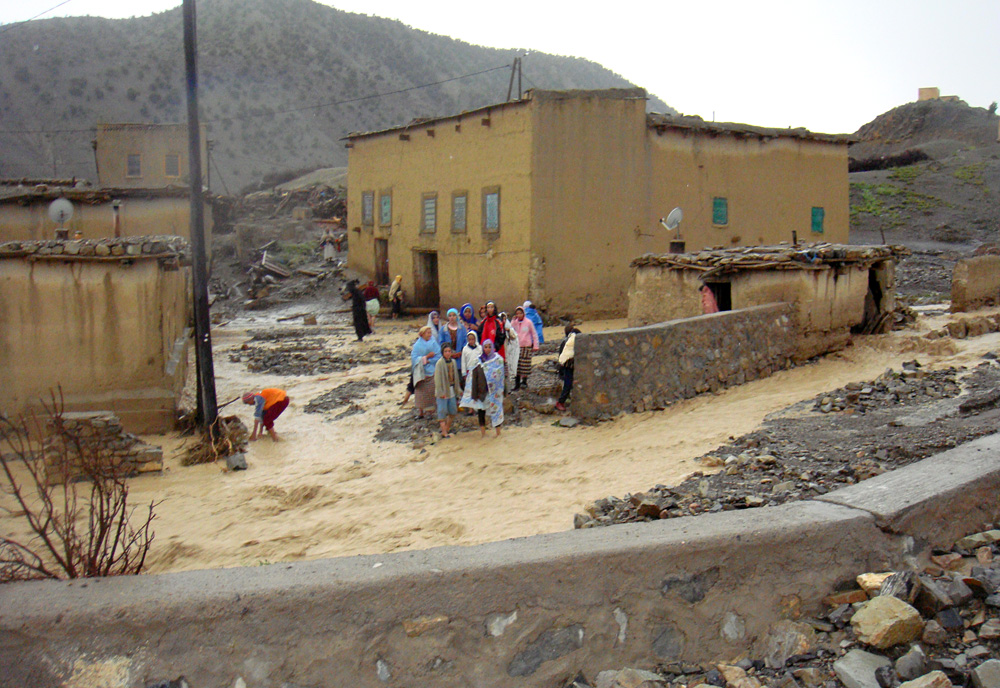
In Morocco, a Microcosm of What Leads Many to Leave Their Home Countries
›Global attention is understandably focused on Syrian refugees, but the migration crisis in Europe is part of a bigger trend that climate and social scientists have been warning about for years.
-
The Long Tail of Paris and What to Watch for Next
›December 4, 2015 // By Schuyler NullThe most important and anticipated climate change conference in years is finally underway. In some ways, as Bill McKibben and Andrew Revkin have pointed out, its success is relatively assured thanks to the number of major commitments countries have already made. But that doesn’t mean there’s nothing to see here. “The conference isn’t the game – it’s the scoreboard,” writes McKibben. To extend the metaphor even more, you might call it the league scoreboard, giving us a glimpse of many different storylines playing out.
Showing posts from category Syria.