-
In Quest to Understand Climate Change and Conflict, Avoid Simplification
›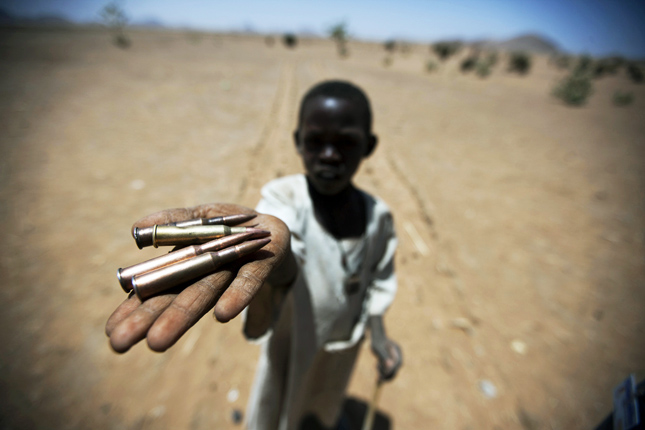
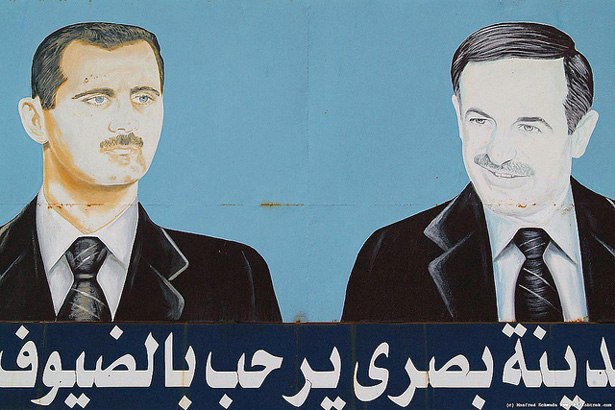
As the war in Syria shows no signs of letting up, a recent article in Middle Eastern Studies put forward the hypothesis that the brutal conflict was triggered by government mismanagement of the country’s recent drought, which lasted from 2006 to 2010. It’s a story we’ve heard before.
-
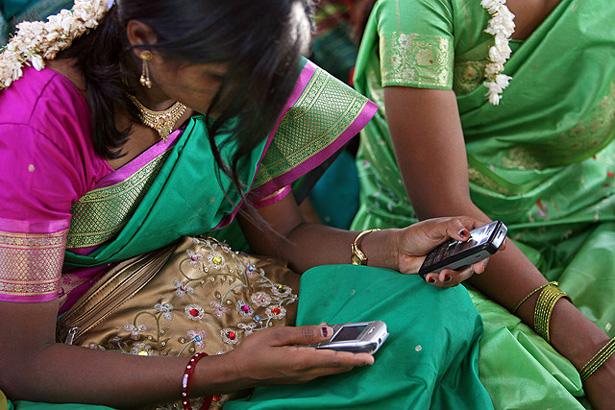
Critical Mass? How the Mobile Revolution Could Help End Gender-Based Violence
›
The past three years – and more pointedly the past 12 months – have laid witness to monumental, if not heartbreaking, incidents of gender-based violence. The gang rape of a 23-year-old woman in New Delhi last December; the gang rape of a 16-year-old girl left for dead in a pit latrine in Western Kenya last June; the mass sexual assault of women in Tahrir Square during the 2011 revolution in Egypt and since; all were high profile atrocities that ignited outrage around the world.
-
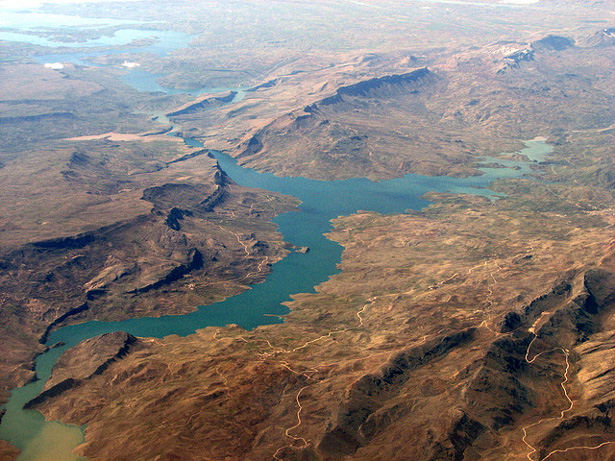
The Great Anatolia Project: Is Water Management a Panacea or Crisis Multiplier for Turkey’s Kurds?
›During the Gezi Park protests last month in Istanbul, Turks and Kurds dismissed historical mistrust and banded together against Prime Minister Erdogan’s growing authoritarianism. Some have suggested the newly unifying cause has strengthened momentum for a long-standing solution to Kurdish autonomy and rights in Turkey. Still it may be water that the fate of Kurdish ambitions is most tied to, rather than officials in Ankara or protestors in Istanbul.
-
Ghaith Abdul-Ahad, The Guardian
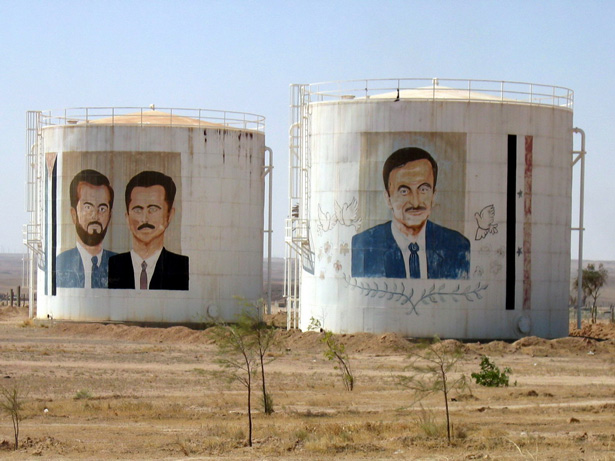
The Anarchy of Syria’s Oilfields
›June 27, 2013 // By Wilson Center StaffThe original version of this article, by Ghaith Abdul-Ahad, appeared on The Guardian.
A northern wind had been blowing since early morning, lifting a veil of dust that had blocked the sun and turned the sky the color of ash. Abu Zayed was sitting on the porch of his unfinished concrete home, watching the storm build. He loved sandstorms. They reminded him of Dubai, where he had lived before the war. He admired the people there for turning a desert into a paradise. They had vision, he told his followers.
-
Wilson Center Roundtable on ‘Backdraft’: The Unintended Consequences of Climate Change Response
›As President Obama readies a new road map for addressing climate change in the United States, experts warn that poorly designed and implemented initiatives, especially in already-fragile parts of the world, could unintentionally provoke conflicts, rather than diffuse them.
-
Spring Thaw: What Role Did Climate Change and Natural Resource Scarcity Play in the Arab Spring?
›Several high-profile reports in the last few months have suggested that climate change and natural resource scarcity contributed to the events that have rocked the Middle East and North Africa (MENA) since December 2010. Thomas Friedman is apparently working on a Showtime documentary about the topic. But what exactly was the role of environmental factors in the mass movement?
-
Josh Wood, The New York Times
Assad Regime, Rebels, and Kurds Vie for Control of Syria’s Oil
›April 23, 2013 // By Wilson Center StaffThe original version of this article, by Josh Wood, appeared on The New York Times.
Once highly dependent on revenue from petroleum sales, the Syrian government has lost control of many of the country’s major oil fields over the past few months as Kurdish forces and the rebel Free Syrian Army have made significant gains in the east.
-
After the Arab Spring, Challenges Intensify for Women in the Middle East and North Africa
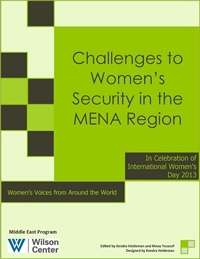
›Excerpted below is the introduction, by Haleh Esfandiari, to Challenges to Women’s Security in the MENA Region. The full report is available for download from the Wilson Center’s Middle East Program.
On the occasion of International Women’s Day 2013, the Middle East Program at the Wilson Center invited a cross-section of women activists, politicians, academics, and entrepreneurs to give us their views on the challenges women face to their security. This publication, “Challenges to Women’s Security in the MENA Region,” includes pieces from 42 women from 20 countries, including the United States, Malaysia, Indonesia, and countries in the Middle East and North Africa (MENA) shared with us their concerns, disappointments, and hopes for women in the region.
Showing posts from category Syria.