

-
New Global Health & Gender Policy Brief: The Global Burden of Stillbirths
›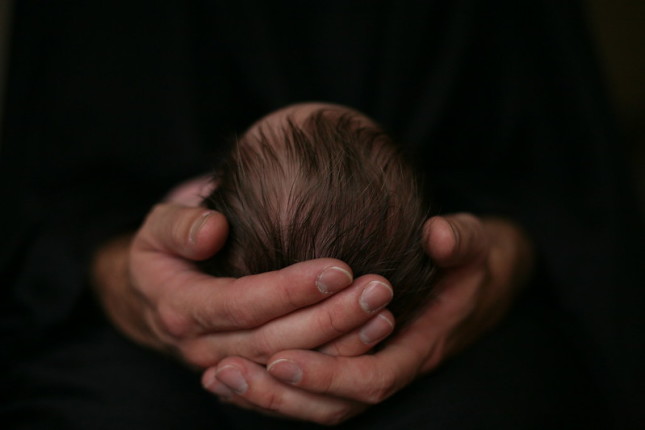
In 2021, 1.9 million stillbirths occurred globally. A baby who dies at or after 28 weeks of pregnancy,* and is born with no sign of life is classified as a stillbirth. Stillbirths can be caused by pregnancy and childbirth-related complications, like hemorrhage, placental abruption, and pre-eclampsia; maternal infections during pregnancy, including malaria and sexually transmitted infections; prolonged pregnancy to 42 weeks or more; and pre-existing health conditions. Other risk factors include maternal age and smoking during pregnancy.
-
Top 5 Dot-Mom Guest Contributor Posts in 2022
›
In 2022, the Dot-Mom column published several pieces from expert guest authors from the greater maternal and reproductive health community. In our top read guest contributor piece of the year, Susie Jolly examined the role of colonialism in sexuality education globally. Jolly highlighted examples where sexual health knowledge is built on unethical medical research carried out on racialized people, such as the study of untreated syphilis among Black men in the United States. Sexuality educators, especially those placed in the Global North, have a responsibility to work to decolonize their work. Jolly suggests supporting resources led by marginalized people, critically examining colonialism’s influence in the understanding of sexuality, and shifting the dynamics of who decides on content to lend more weight to non-Western expertise and young people learning from their own experiences.
-
The Missing Link: Stillbirth & Self-Care
›For many people, stillbirth— the occurrence of a fetal death at 20+ week’s gestation—is a concept. A statistic. Each year, at least 23,000 stillbirths occur in the United States. It occurs in one out of every 160 pregnancies. Yet when these numbers become a reality in your own life, they take on a new meaning.
-
COVID-19 Vaccine Has No Demonstrated Impact on Miscarriage Rates in the United States, Research Shows
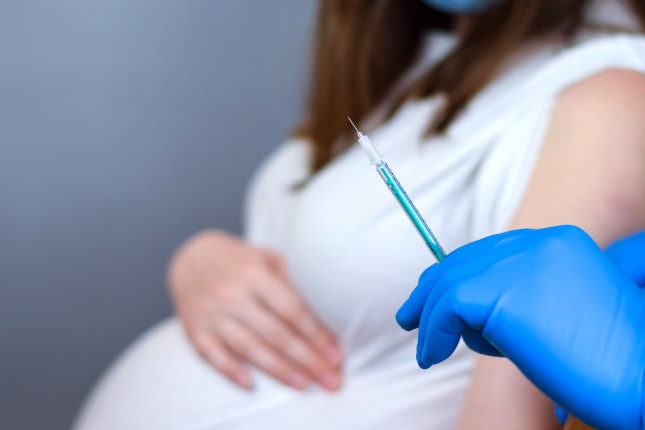
›COVID-19 continues to pose a high risk to pregnant people who contract the virus. Despite this concern, hesitancy surrounding the safety of the COVID-19 vaccine during pregnancy remains, write the authors of a preprint article on COVID-19 vaccines and pregnancy outcomes. As COVID-19 vaccines become more widely available, some have raised concerns regarding potential links between receiving a COVID-19 vaccine and experiencing miscarriage (also known as spontaneous abortion), and other adverse outcomes. However, miscarriage is a common occurrence – around 10 to 15 percent of all pregnancies in the United States end in miscarriage – and multiple studies have found no increase in miscarriage in persons who received a COVID-19 vaccine.
-
Midwife-Delivered Interventions Could Provide Dramatic Benefits
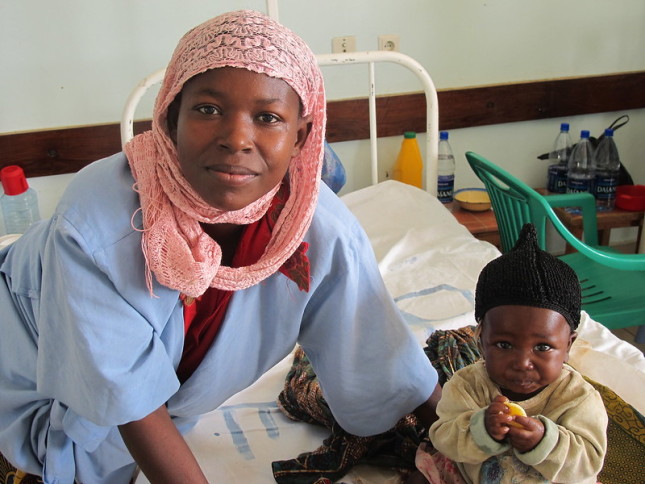
›In a year that has presented enormous challenges, it is even more gratifying to present evidence that strengthens the importance of midwives as providers of essential sexual and reproductive health (SRH) services and the impact they can have on maternal and neonatal mortality and stillbirths, said Anneka Knutsson, Chief of the SRH Branch at the United Nations Population Fund (UNFPA) at a recent Wilson Center event, in partnership with UNFPA and Johnson & Johnson, to launch the Impact of Midwives study conducted by UNFPA, the International Confederation of Midwives (ICM), and the World Health Organization (WHO) and published in The Lancet Global Health. -
2.6 Million Babies Are Stillborn Every Year
›Every day, 7,100 babies are stillborn. A tragic, complicated problem, stillbirth—which the WHO defines as a baby born with no signs of life at or after 28 weeks’ gestation—remains difficult to control and to assess. Some hospitals hide data on stillbirth, due to the shame and stigma associated with it. However, as White Ribbon Alliance CEO Betsy McCallon said at a recent Wilson Center event marking the 30th anniversary of the Safe Motherhood Initiative, stillbirth “had been hidden and neglected, but that is changing.” -
The 30th Anniversary of the Safe Motherhood Initiative
›Since 1987, the number of women dying during pregnancy and delivery has dropped by 43 percent, saving hundreds of thousands of women’s lives—and changing the lives of their families—around the world. “Our achievement in making maternal mortality an injustice that needs to be recognized by health ministers, by heads of state, by heads of agencies, has been, I think, the single greatest achievement of the Safe Motherhood Initiative” since it began 30 years ago, said Ann Starrs, President and CEO of Guttmacher Institute, at a Wilson Center event marking the anniversary of this important effort.
-
Climate Change and Women’s Health: New Studies Find Overlooked Links
›The intersection of reproductive health and climate change is an understudied nexus in academic literature. In her Nature article, “Considering Climate in Studies of Fertility and Reproductive Health in Poor Countries,” Kathryn Grace looks at how studies of contemporary fertility transitions are better served when they include the impacts of climate change.
Showing posts from category Stillbirth.

 In a year that has presented enormous challenges, it is even more gratifying to present evidence that strengthens the importance of midwives as providers of essential sexual and reproductive health (SRH) services and the impact they can have on maternal and neonatal mortality and stillbirths, said Anneka Knutsson, Chief of the SRH Branch at the United Nations Population Fund (UNFPA) at a recent Wilson Center event, in partnership with UNFPA and Johnson & Johnson, to launch the
  Every day, 7,100 babies are stillborn. A tragic, complicated problem,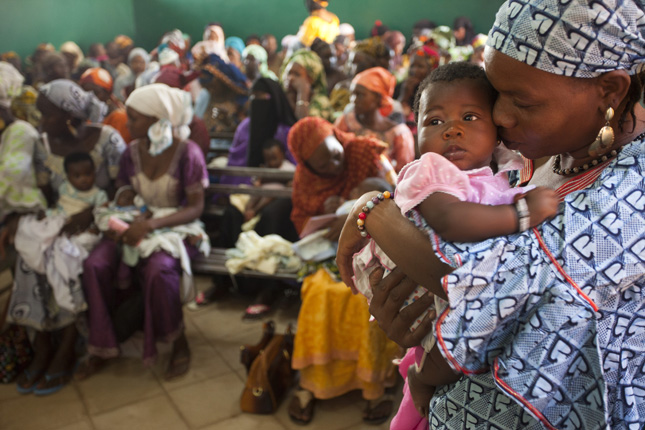
 The intersection of reproductive health and climate change is an

