-
Sam Eaton, PRI’s The World
Human Traffickers Follow Floods in India, But Local Girls Are Fighting Back
›September 17, 2015 // By Wilson Center StaffThe Sundarbans – a collection of densely populated islands in India’s sprawling Ganges Delta – are so remote that the only way to get there is by boat. But human traffickers still manage to get in, and that’s left many families with missing daughters.
-
Jim Jarvie, SciDevNet
Urban Resilience to Climate Change in Asia Critical as Strong El Niño Looms
›September 7, 2015 // By Wilson Center Staff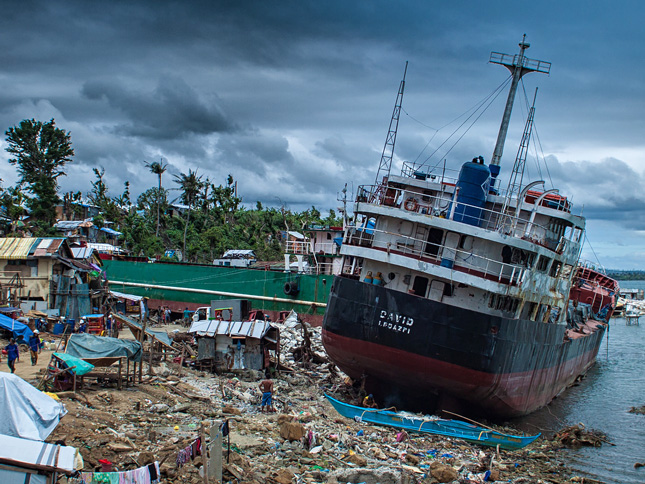
An advisory released this August by the U.S. National Weather Service warned this year’s El Niño could be among the strongest ever recorded, lasting well into the first few months of 2016.
-
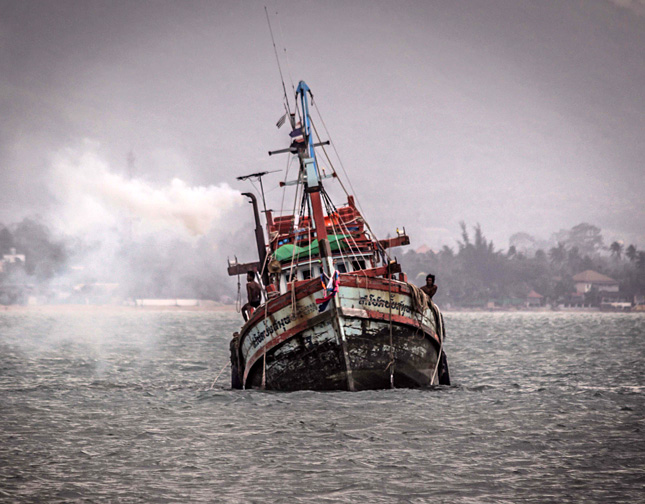
Crossing Borders and Defying Policing, Abuses of Thailand’s Fishing Industry Challenge International System
›August 18, 2015 // By Linnea Bennett
Somewhere off the coast of Thailand, “ghost ships” bump and crash along the choppy waves scrapping the sea floor with nets that spare nothing. Pulling up these illegal hauls in shifts that sometimes last 20 hours are thousands of migrant fishermen, many of whom have been forced into indentured servitude or kidnapped. Far from shore on unregistered boats, they have little hope of escape and face daily abuse and squalid conditions. More recently, some captains have turned to trafficking Rohingya fleeing persecution in Myanmar, pressing some into service, extorting others, and taking sex slaves.
-
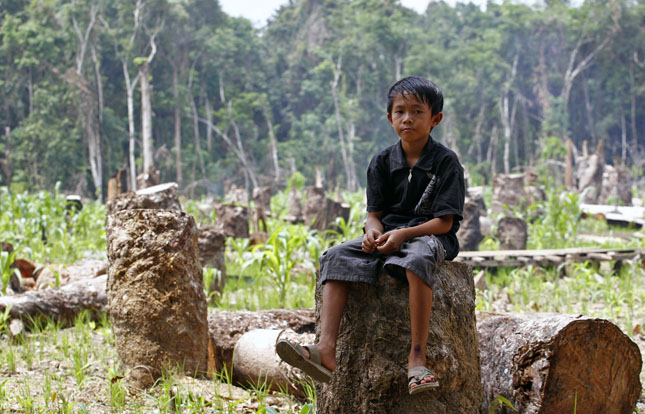
Who Benefits From REDD+? Lessons From India, Tanzania, and Mexico
›REDD+, a global framework designed to reward governments for preserving forests, has pledged nearly $10 billion to developing countries. But minorities, indigenous people, the poor, and other marginalized groups that live in forest areas often end up paying more than their fair share of the costs of environmental cleanup and conservation while getting less in return. What can be done to change this?
-
Karachi’s Heat Wave a Sign of Future Challenges to Pakistan’s Fragile Democracy
›Karachi, the world’s second largest city by population, is emerging from the grips of a deadly heatwave. A persistent low pressure system camped over the Arabian Sea stifled ocean breezes and brought temperatures in excess of 113°F (45°C) to the city of 23 million people in June. The searing heat disrupted electricity and water service, making life nearly unbearable. All told, officials estimate the heatwave killed at least 1,200 Pakistanis, more than twice as many as have died in terrorist attacks this year.
-
Lukas Rüttinger, Adelphi
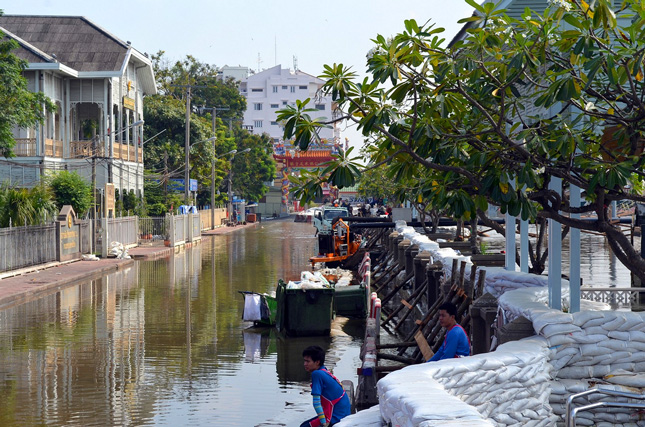
Thailand and Sri Lanka Show How Disasters Can be Catalysts of Fragility or Opportunities for Peace
›June 26, 2015 // By Wilson Center StaffIn 2011 Thailand was hit by unprecedented monsoon rains far above the average rainfall of the previous 30 years. Two million people across 26 provinces were affected. During the crisis, hundreds of civilians took it to the streets to protest discrimination by the Flood Response Operation Center and the unfair distribution of water, electricity supply, shelter, and food. Civilians were so angry that they broke a sandbag wall in Bangkok which was protecting a wealthy district from water surges. Public unrest and discontent with the government continued until a military coup in 2013.
-
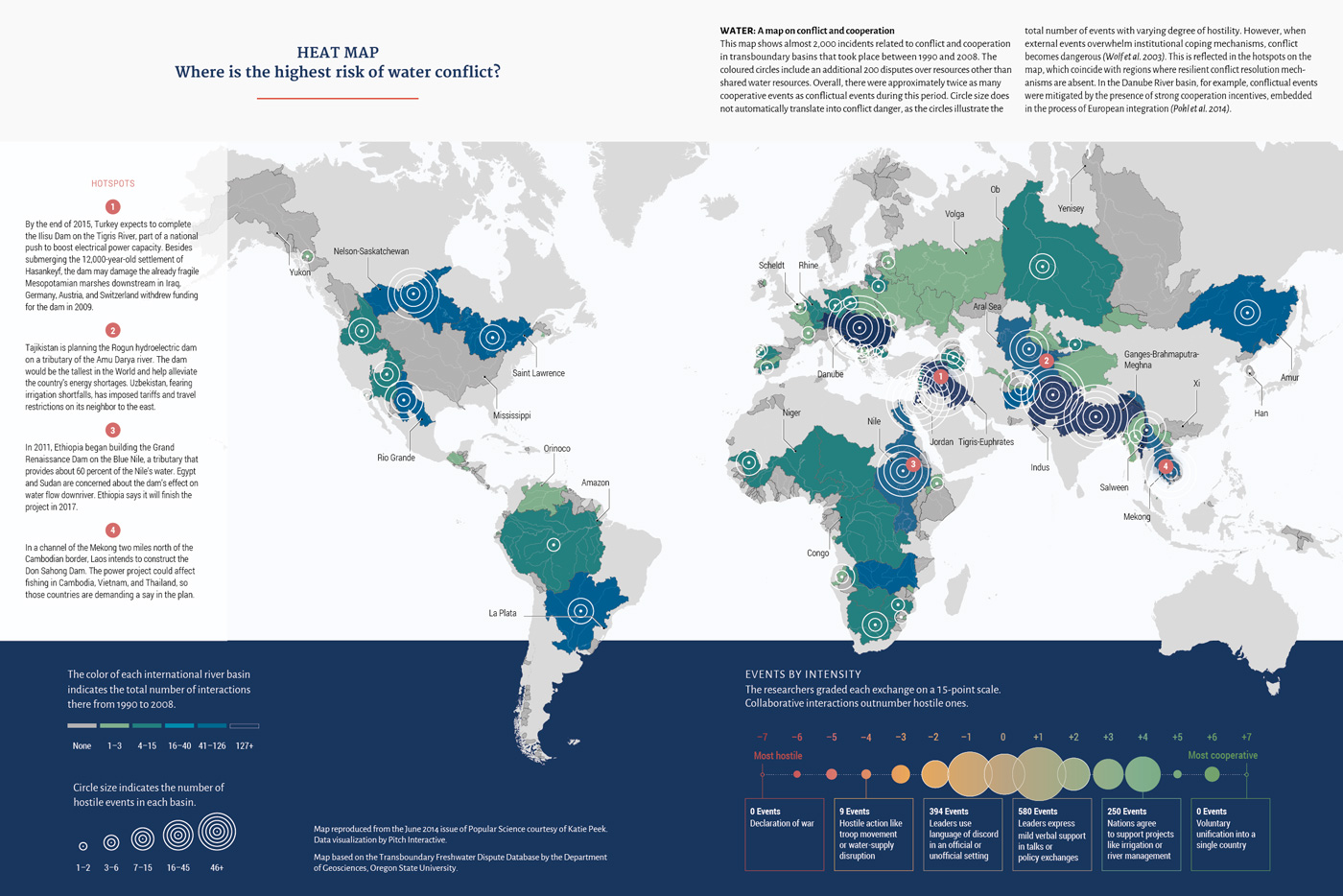
The World’s Most Hostile International Water Basins [Infographic]
›At the launch of A New Climate for Peace, a new report on climate-fragility risks produced for the G7 by a consortium of international partners including the Wilson Center, USAID Deputy Assistant Administrator Christian Holmes called water a common denominator for climate risk.
-
How to Create a New Climate for Peace: Preventing Climate Change From Exacerbating Conflict and Fragility
›June 19, 2015 // By Lauren Herzer RisiWhen the leaders of the G7 countries – Canada, France, Germany, Italy, Japan, the United Kingdom, and the United States – met earlier this month, they agreed to make fossil fuels a thing of the past by 2100. At the same time the G7 is also taking steps to make climate change’s connection to conflict a priority in the present.
Showing posts from category South Asia.