-
Is Peace Enough? Why Sustainability Requires More Than Stability
›July 15, 2025 // By Richard Marcantonio
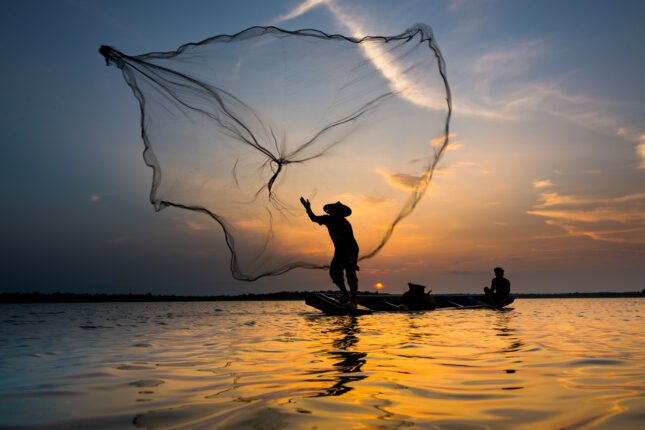
Around the world, conflict and environmental risks are on the rise – and they’re often connected in complex ways. In the past five years alone, the number of global conflicts has doubled. At the same time, human activity is pushing the planet beyond the ‘safe operating space’, increasing the risk of instability.
Researchers studying the links between conflict and environmental change have found that war and violence almost always harm the environment. But the reverse connection – whether environmental stress leads to conflict – is much harder to pin down. That’s because political systems, local institutions, and social dynamics often shape how environmental pressures play out.
Findings from recent studies suggest that sustainability and peace are positively correlated. In other words, the results suggest that peace and sustainability go hand in hand. If true, pursuing one could help achieve the other. But what if it’s not that simple?
-
New Security Beat Finds a New Home
›July 8, 2025 // By Lauren Herzer Risi
In the wake of last week’s devastating floods in Central Texas, and with the 20th anniversary of Hurricane Katrina on the horizon, new data underscores a sobering trend: extreme weather events are becoming even more intense, more severe, and more frequent. At the same time, the very institutions and experts responsible for predicting and preparing for these rising threats are under threat themselves.
The Trump administration has significantly reduced or eliminated programs — like my former home, the Environmental Change and Security Program (ECSP) at the Wilson Center — that worked to address and communicate the climate challenges we face. Today, however, I’m pleased to announce that ECSP’s work, including the New Security Beat, has found a new home.
-
Plotting the Future of U.S. Foreign Aid
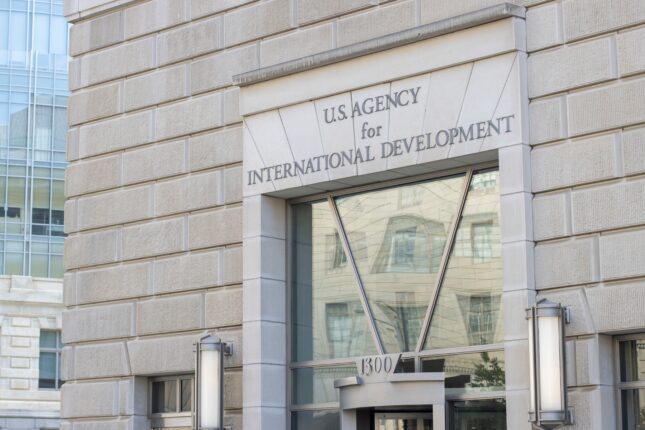
›When Secretary of State Marco Rubio formally declared the “era” of USAID over on March 28, 2025, it represented an extraordinary sea change for US foreign aid deployed over the past six decades.
Yet the world has changed dramatically since the U.S. Agency for International Development (USAID) was established by the Foreign Assistance Act of 1961 in the middle of the Cold War. So, there is every reason to thoughtfully consider what foreign aid should look like today as we navigate an era of Great Power Competition (GPC).
-
In the Wake of a Tropical Cyclone: Turning to Violence or Building Peace?
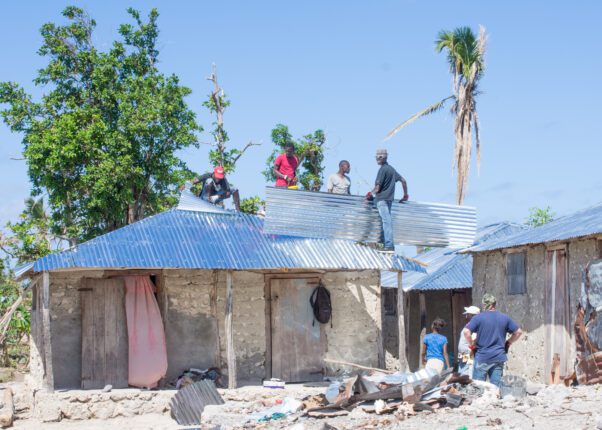
›“It seems like the news is always bad, right?” observed retired climate and atmospheric scientist James Kossin in a BBC interview last autumn.
Kossin was describing how climate change is weakening the wind shear patterns that have helped lessen the impacts of tropical cyclones in the United States. And, indeed, there is mounting evidence for his observation.
-
Can Climate-Resilient Agriculture Become an Engine for Syria’s Post-Conflict Recovery?
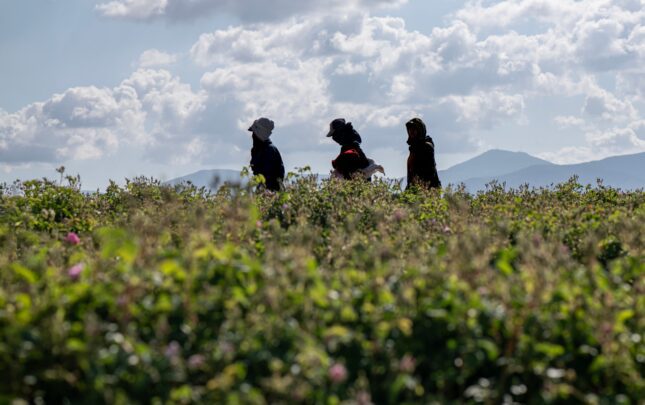
›Syria finds itself at a crossroads. Faced with the imminent need to prevent a relapse into renewed short-term insecurity, its government also must start to develop longer-term strategies to support recovery.
Generating peace dividends for Syria’s embattled population requires confronting the ecological threats which currently undermine basic human security across the country. Nowhere do these threats emerge more prominently than in its agricultural sector. Ensuring that this essential sector lives up to its potential as an engine for economic stabilization and peace will require a set of targeted – and climate-sensitive – investments and interventions.
-
ECSP Weekly Watch | March 3 – 7
›A window into what we’re reading at the Wilson Center’s Environmental Change and Security Program
UK and Ireland Will Connect Energy Networks (The Guardian)
Despite post-Brexit trade barriers, the UK and Ireland have announced a collaboration on renewable energy infrastructure to boost both nations’ energy efficiency and security. The deal is part of larger efforts to “harness the full potential” of the Irish and Celtic seas for offshore windfarms and national energy networks.
-
ECSP Weekly Watch | February 24 – 28
›A window into what we’re reading at the Wilson Center’s Environmental Change and Security Program
EU Parliament Suspends Rwandan Critical Mineral Pact Over Links to DRC Conflict (Mongabay)
Rwanda and the DRC both have large reserves of critical minerals essential to the clean energy transition. Yet the EU has voted to suspend a cooperation agreement on mineral extraction in the region after the Rwandan-backed rebel group M23 seized key areas in the DRC’s eastern provinces.
-
Q&A: Julian Higuera-Florez on Harnessing Environmental Peacebuilding in Latin America and the Caribbean
›Environmental peacebuilding offers a promising framework to address deeply intertwined environmental challenges and conflict dynamics in Latin America and the Caribbean. So why has it not delivered fully on this promise? In an interview with ESCP, Julian Higuera-Florez, a research specialist in climate, peace, and security at the Alliance of Biodiversity and CIAT and CGIAR FOCUS Climate Security, discussed a new policy brief, Environmental Peacebuilding in Latin America and the Caribbean: Bridging Gaps and Harnessing Opportunities, co-authored with the UNDP Latin America and the Caribbean Hub.
Showing posts from category security.