

-
Christophe Angely on Overcoming Pessimism for the Sahel
› The Sahel region of Africa is a wide band that marks the transition from the Sahara Desert in the north to the wetter, sub-tropical regions in the south. The Sahelian countries have some of the most rapidly growing populations in the world and have faced significant environmental change over the past century. In recent years, insurgencies have surged in several countries, new terrorist groups have become active, there have been several droughts, and migration has increased.
 -
Risk, But Also Opportunity in Climate Fragility and Terror Link
›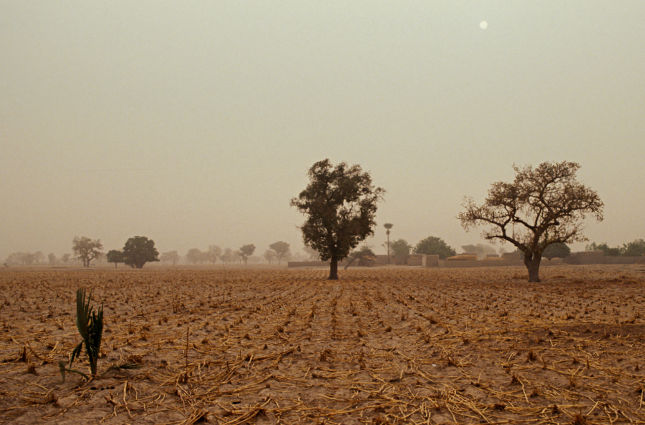
In a recent article for New Security Beat, Colin Walch made the case that the abandonment of some communities in Mali to deal with climate change on their own has created “fertile ground” for jihadist recruitment. In a similar argument, Katharina Nett and Lukas Rüttinger in a report for adelphi asserted last month that “large-scale environmental and climatic change contributes to creating an environment in which [non-state armed groups] can thrive and opens spaces that facilitate the pursuit of their strategies.”
-
The Business Case for Sustainable Development Is Real and Growing
›In 2000, the United Nations established the Millennium Development Goals (MDGs) with the goal of creating a global partnership for development. The formation of the MDGs created a foundation for collaboration and encouraged cross-sector partnerships to reduce poverty but also promote issues like environmental sustainability and gender equality. To carry on momentum from the MDGs, 17 Sustainable Development Goals (SDGs) were established in 2015 to further encourage partnerships between civil society organizations, the private sector, academic institutions, and more. Increased private sector engagement in development is a major goal of the SDGs – and we would argue that it is crucial to their success.
-
What’s in a Label? Lessons on Advancing Global Health Goals From Corporate Green Standards
›As you walk through the supermarket, you’ve probably noticed labels like “Rainforest Alliance Certified,” “Fair Trade,” or “Green Seal.” These certifications were created to help consumers use their purchasing power to reward companies that treat workers fairly and limit their harm to the environment. What’s missing is health, particularly women’s health. Too often these standards focus narrowly on occupational safety rather than addressing broader, but relevant, health needs of workers.
-
For India, Achieving the Next Generation of Maternal Health Goals Requires New Approaches
›Achieving the next generation of maternal health goals in India, which accounts for almost 15 percent of maternal deaths around the world each year, will require innovative new approaches to stubborn problems.
-
A Chronic Crisis, Now Acute: WWF’s Recommendations for the First U.S. Global Water Strategy
›The intelligence community’s landmark Global Water Security assessment in 2012, warned of major water-driven challenges to U.S. national security. The combined assessment of several intelligence agencies foresaw many challenges to U.S. policy objectives and national security arising from protracted drought, declining water quality, and more natural disasters in countries important to U.S. interests. The intelligence community further warned of rising social instability, cross-border tensions, and a steady drain of resources away from other development objectives. These warnings have proven prescient.
-
Are We Headed Toward “Recurring Storms” of Global Food Insecurity?
›February 27, 2017 // By Erica MartinIt’s often assumed that in the modern era, food security is an achievable goal. But between 2007 and 2008, a confluence of conditions shook the international food system to its core, fueling unrest and riots in more than 40 nations around the world. What’s more, this “perfect storm” may have been only a harbinger of challenges to come, according to a new report by Emmy Simmons of the Center for Strategic and International Studies (CSIS).
-
Richard Choularton on 3 Steps to Avert the Famines We See Coming
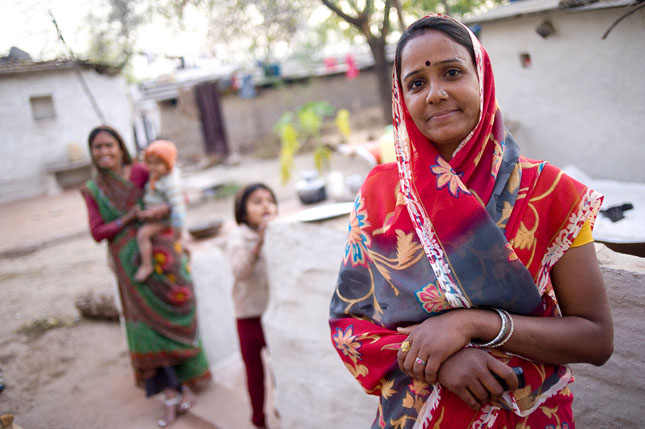
›There has been great progress in anticipating famines in recent years, with most predicted six or more months ahead of time, says Richard Choularton, senior associate for food security and climate change at Tetra Tech, in this week’s podcast. But action to address their humanitarian impacts has lagged. Responses need to be more consistent and faster, he says, happening “almost without human intervention.”
Showing posts from category SDGs.
 The Sahel region of Africa is a wide band that marks the transition from the Sahara Desert in the north to the wetter, sub-tropical regions in the south. The Sahelian countries have some of the most rapidly growing populations in the world and have faced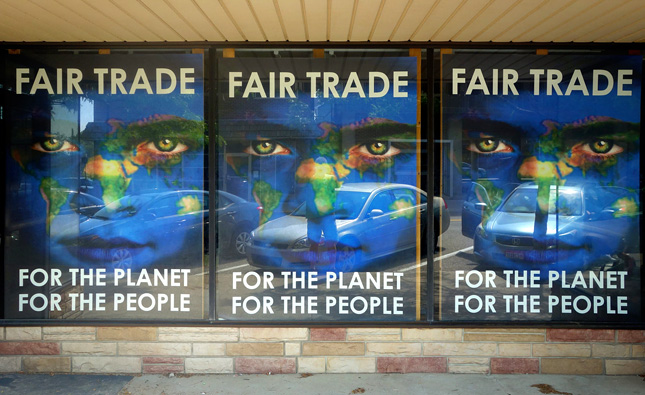
 There has been great progress in anticipating famines in recent years, with most predicted six or more months ahead of time, says Richard Choularton, senior associate for food security and climate change at Tetra Tech, in this week’s podcast. But action to address their humanitarian impacts has lagged. Responses need to be more consistent and faster, he says, happening “almost without human intervention.”

