-
Meeting Women’s Modern Contraceptive Needs Could Yield Dramatic Benefit
›
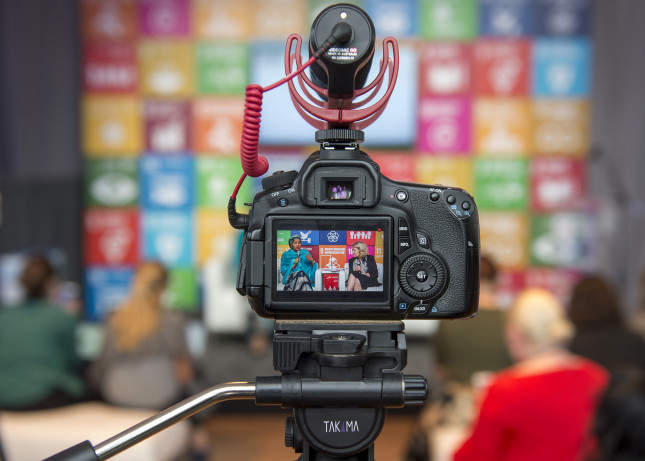
“Achieving true progress on sexual and reproductive health and rights requires a comprehensive approach and a commitment to tackling deeply entrenched inequities and injustices of which marginalized communities continue to bear the brunt,” said Dr. Herminia Palacio, President and CEO of the Guttmacher Institute. She spoke at a recent Wilson Center event where speakers analyzed findings from the Guttmacher Institute on the state of sexual and reproductive health and rights (SRHR) globally.
-
The Great Disruptor: COVID-19 Threatens Essential Health Services for Women and Children
›
“The world is at risk of losing millions of women and children due to reductions in coverage of essential services, reversing hard-earned progress towards the SDGs [Sustainable Development Goals] to date and posing catastrophic consequences for households and communities,” said Dr. Koki Agarwal, Project Director of the United States Agency for International Development’s (USAID) MOMENTUM Country and Global Leadership award, at a recent event on the importance of ensuring continuity of maternal, newborn, and child health services, voluntary family planning, and reproductive health care during the COVID-19 pandemic. The event was the first in a series of virtual country knowledge exchange discussions organized by USAID’s MOMENTUM Country and Global Leadership, led by Jhpiego and partners.
-
First Ever State of the World’s Nursing Report: Unlocking the Gender Dimensions
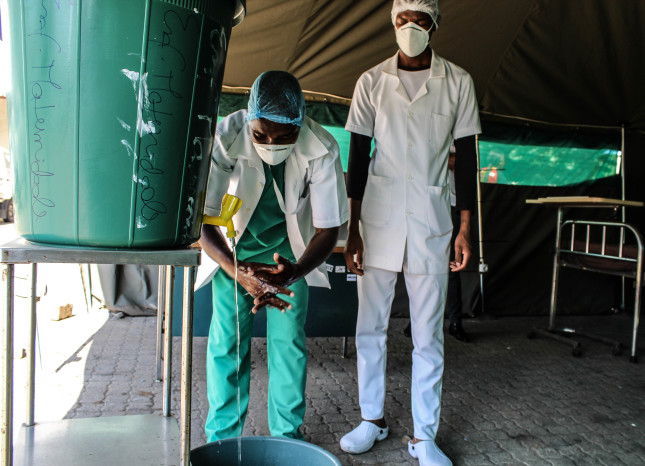
›“The year is 2020 and it’s a year none of us will forget due to the Covid-19 pandemic,” said Sarah Barnes, Women and Gender Advisor and Project Director of the Maternal Health Initiative at the Wilson Center at a recent webcasted Wilson Center event. “The year 2020, as designated by the World Health Organization, is also the Year of the Nurse and the Midwife and was meant to be a year of celebration and much due recognition of these two incredible professions.” This month, the first ever State of the World’s Nursing report was published by the World Health Organization (WHO), International Council of Nurses, and Nursing Now.
-
Listen to Midwives to Achieve Universal Health Coverage by 2030
›What is inherent in the word “universal,” is that it is for all women, said Anneka Knutsson, Chief of the Sexual and Reproductive Health Branch at the United Nations Population Fund (UNFPA), at a recent Wilson Center event on the importance of midwives in achieving universal health coverage. -
Midwives Needed to Achieve Universal Health Coverage by 2030
›We are in the decade of action, said Anneka Knutsson, Chief of the Sexual and Reproductive Health Branch at the United Nations Population Fund (UNFPA), at a recent Wilson Center event on midwives’ crucial role in achieving universal health coverage by 2030. The World Health Organization (WHO) has designated 2020 as the Year of the Nurse and the Midwife to celebrate the accomplishments and importance of nurses and midwives in providing not just maternal health care, but care across the lifespan. Currently, 22 million nurses and 2 million midwives globally deliver 80 percent of all healthcare services in low-resource settings. However, the world will need 9 million more nurses and midwives by 2030 to meet rising healthcare demands. -
Achieving the SDGs: Three New UN Reports Call for Reoriented Policy Priorities
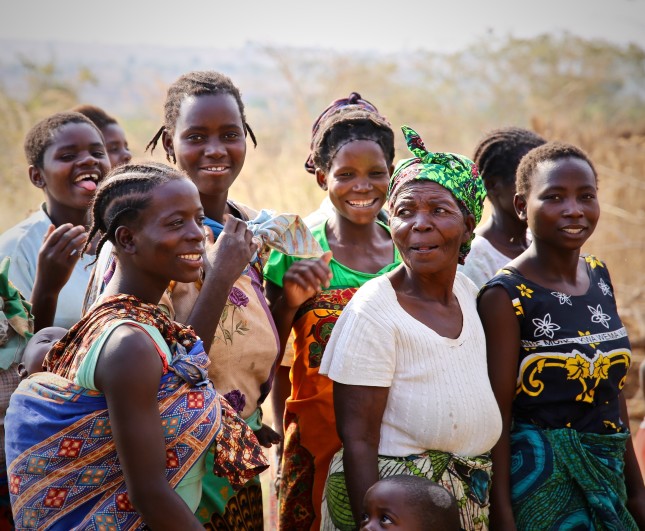
›This summer, United Nations agencies published three reports that offer a sobering assessment of the current state of international security and development, focusing on multidimensional poverty, hunger, and forcible displacement. As some countries succeed in steadily improving the living conditions of their most vulnerable populations, others have struggled to overcome sustained episodes of political instability and violent conflict. Together, the reports affirm the urgency with which the international community must reorient its policy priorities and take action to achieve the Sustainable Development Goals (SDGs) by 2030.
-
Empowered Midwives Could Save More Lives
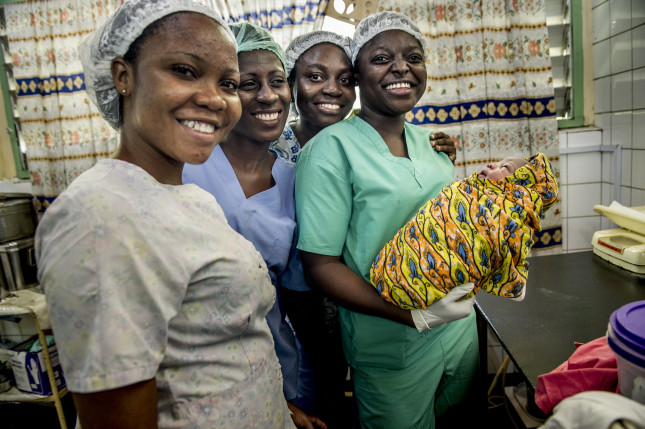
›“Midwifery is what women want and what the world needs,” said Anneka Knutsson, Chief, Sexual and Reproductive Health Branch, United Nations Population Fund (UNFPA) at the Fourth Global Midwifery Symposium held at Women Deliver on June 2, 2019. More than 200 people, mostly midwives and global midwifery experts, attended the symposium titled, “Empowered Midwives, Transformed Communities.” Organized by UNFPA, the International Confederation of Midwives (ICM), and World Health Organization (WHO), in collaboration with Jhpiego, UNICEF, Laerdal, and the Canadian Association of Midwives, the all-day symposium highlighted how the midwife-led continuity of care model and women-centered care can improve outcomes for women, their newborn, and their families. The discussion also focused on the importance of enabling environments and productive collaborations between midwives and other health professionals.
-
To Reach Global Climate Targets, Wildlife and Nature Must Be Protected, Report Warns
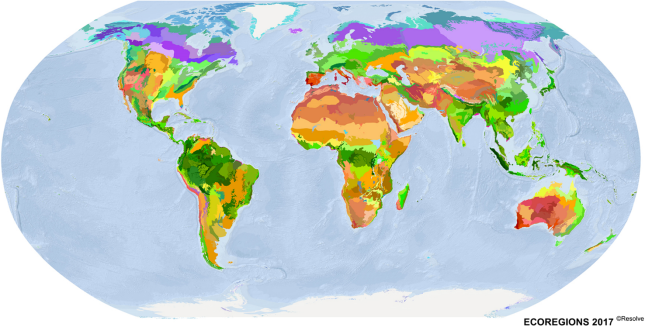
›April 22, 2019 // By Amanda KingThe Paris Agreement in December 2015 set targets to limit global climate change. To prevent average global temperatures from rising 2°C above preindustrial levels, it recommends limiting the temperature increase to 1.5°C above preindustrial levels. “But the Paris Agreement is only a half-deal; it will not alone save the diversity of life on Earth or conserve ecosystem services upon which humanity depends,” say the authors of a new article published in Science Advances. Their article proposes a Global Deal for Nature (GDN), a time-bound, science-driven plan to save the diversity and abundance of life on Earth.
Showing posts from category SDGs.
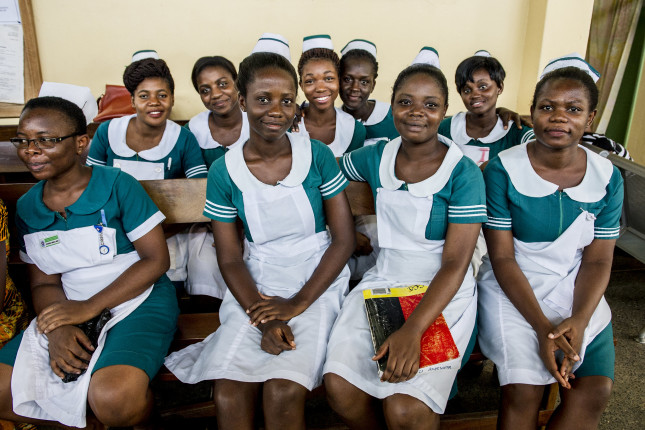
 What is inherent in the word “universal,” is that it is for all women, said Anneka Knutsson, Chief of the Sexual and Reproductive Health Branch at the
  We are in the decade of action, said Anneka Knutsson, Chief of the Sexual and Reproductive Health Branch at the