-
In Tanzania, Empowering Communities to Address Population, Health, and Environment Issues Together
›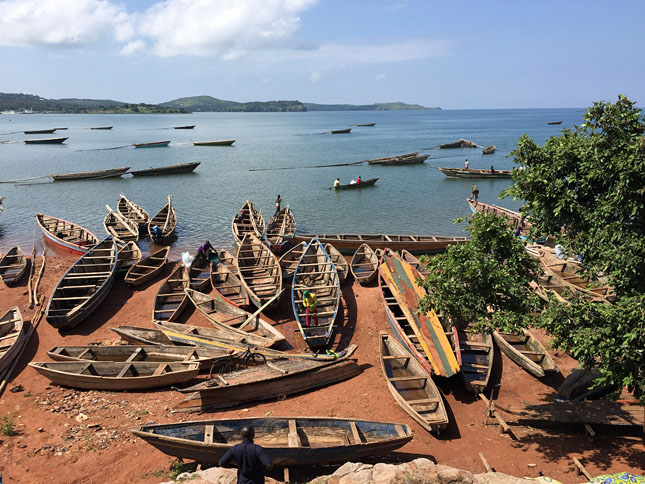
Africa has its share of challenges, but it also leads the way in creative development responses. Take the Lake Tanganyika area in Tanzania. Daily life is hard. There are few roads. Cellphone service is patchy. You must travel by boat for seven hours to reach the nearest hospital. And if you have an obstetric emergency, there is no doctor in the village to help you.
-
Ellen Starbird on the Allure of the Demographic Dividend and How to Achieve It
› “It has always surprised me actually how powerful this ‘demographic dividend’ framework seems to be,” says Ellen Starbird, director of USAID’s Office of Population and Reproductive Health, in this week’s podcast. But “for a lot of countries it’s a long way off.”
 -
Jagdish Upadhyay: Don’t Wait for the Demographic Dividend, Seize It
›“The demographic dividend is about inclusive growth, not just economic growth,” says Jagdish Upadhyay, chief of commodity security at the United Nations Population Fund (UNFPA), in this week’s podcast. “If it’s not inclusive, achieving the demographic dividend will be difficult.” -
Nyaradzayi Gumbonzvanda on Elevating Young Female Leaders By Giving Them Space
›“The demographic data is telling us that the future is very young and the future is very female,” says Nyaradzayi Gumbonzvanda, a lawyer and general secretary of the World Young Women’s Christian Association (World YWCA), in this week’s podcast. “And therefore, we actually have an imperative to respond.” -
“End of the Beginning:” What Was Achieved at COP-21?
›Last month, for the first time, 195 countries formally agreed to take steps to slow and eventually reduce carbon emissions. “This is potentially one of the most important things that’s ever been done for your children, your grandchildren…and their welfare in the future,” said Andrew Light, professor of public philosophy at George Mason University. [Video Below]
-
Missing the Big Picture in Challenging Africa’s “Land Grab” Narrative
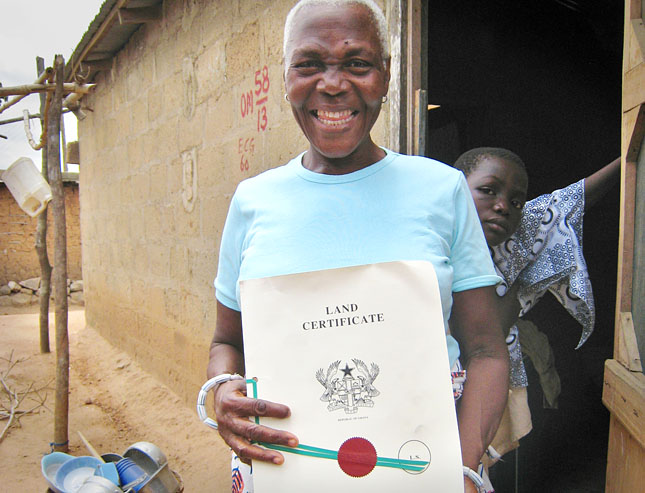
›Who walks away from fertile agricultural land available to lease for as little as $1 per year per hectare? Recent reports indicate international investors are doing just that across sub-Saharan Africa.
-
Secondary Cities: Neglected Drivers of Growing Economies [Infographic]
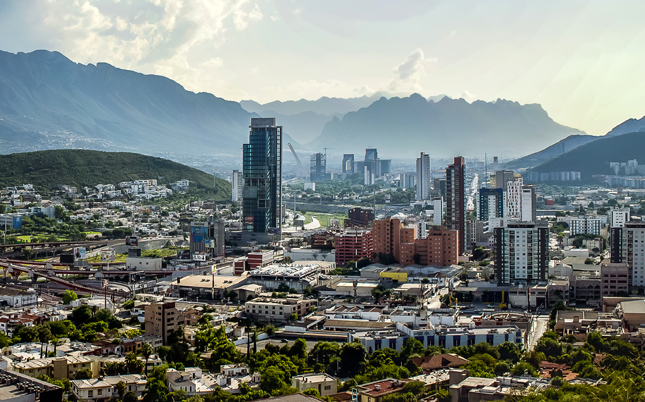
›While much of the attention in international development and academia has focused on mega and primary cities, rapidly growing secondary cities will play a significant role in global economic development in this, the urban millennium. [Video Below]
-
Shelter From the Storm: State of World Population 2015 Report Launch
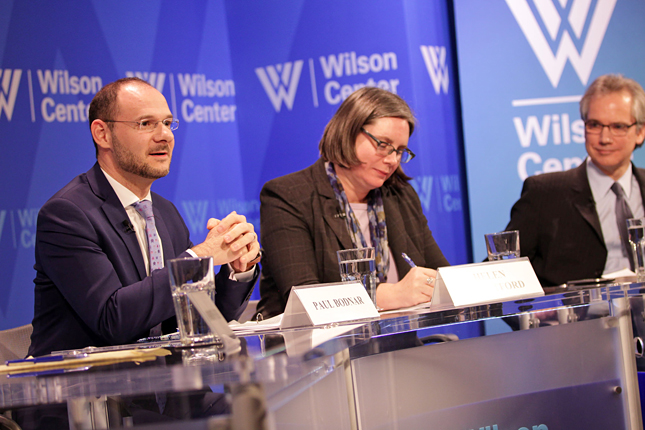
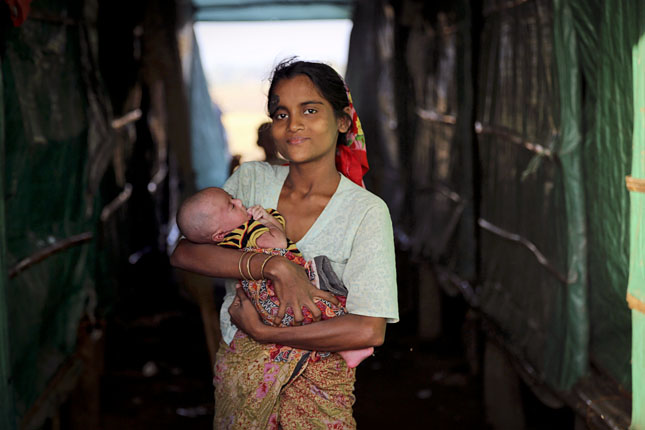
›The sexual and reproductive health and rights of women and girls must be protected, even – especially – during “the toughest of times, in the hardest of places,” said Kate Gilmore, deputy executive director of the United Nations Population Fund (UNFPA), at the Wilson Center on December 3. [Video Below]
Showing posts from category SDGs.
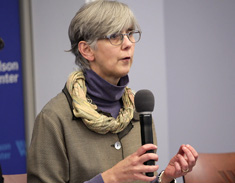 “It has always surprised me actually how powerful this ‘demographic dividend’ framework seems to be,” says Ellen Starbird, director of USAID’s
  “The demographic dividend is about inclusive growth, not just economic growth,” says Jagdish Upadhyay, chief of commodity security at the United Nations Population Fund (UNFPA), in this week’s podcast. “If it’s not inclusive, achieving the demographic dividend will be difficult.”
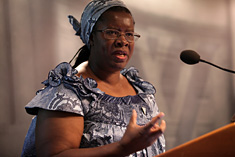 “The demographic data is telling us that the future is very young and the future is very female,” says Nyaradzayi Gumbonzvanda, a lawyer and general secretary of the