-
From Trash to Treasure: How Effective Sorting Helps China Utilize Food Waste
›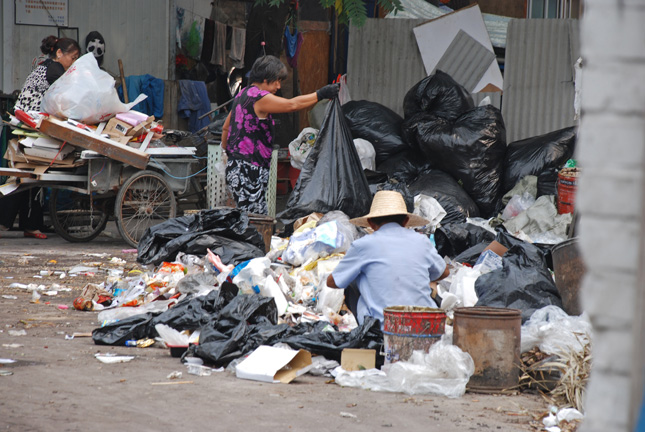
Launched in Beijing in 2013, the highly successful grassroots “Empty Your Plate” campaign encourages Chinese consumers to eliminate food waste from their meals. Starting with blog posts on Weibo (China’s equivalent of Twitter), this campaign rapidly swept the entire country and attracted support from the central government, which later issued a series of policies urging restaurants to use smaller dishes and remove minimum charges. However, the volume of food waste in China is still astonishing.
-
MCC Mobilizes Private-Sector Investment to Expand Access to Water in Jordan
›
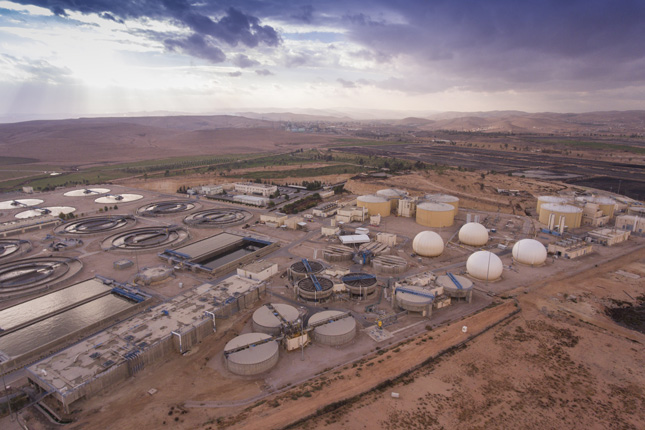
In Jordan—one of the driest, most water poor countries in the world—population growth is straining the country’s aging infrastructure and limited water resources. As the Jordan country director for the Millennium Challenge Corporation (MCC), I’ve met urban residents and business owners who have only received water from the city utility once every two weeks, relying on storage tanks to fill the gaps. I’ve spoken with water utility managers who could no longer keep up with urgent repairs, leading to bursting water pipes and sewage overflowing into streets. And farmers in the Jordan Valley have told me that each year their wells have grown drier, and they feared the next generation would be forced to give up farming olives, tomatoes, grapes, and strawberries.
-
No Room for Waste: Honolulu’s Sludge Plant Points Toward More Sustainable Urban Development
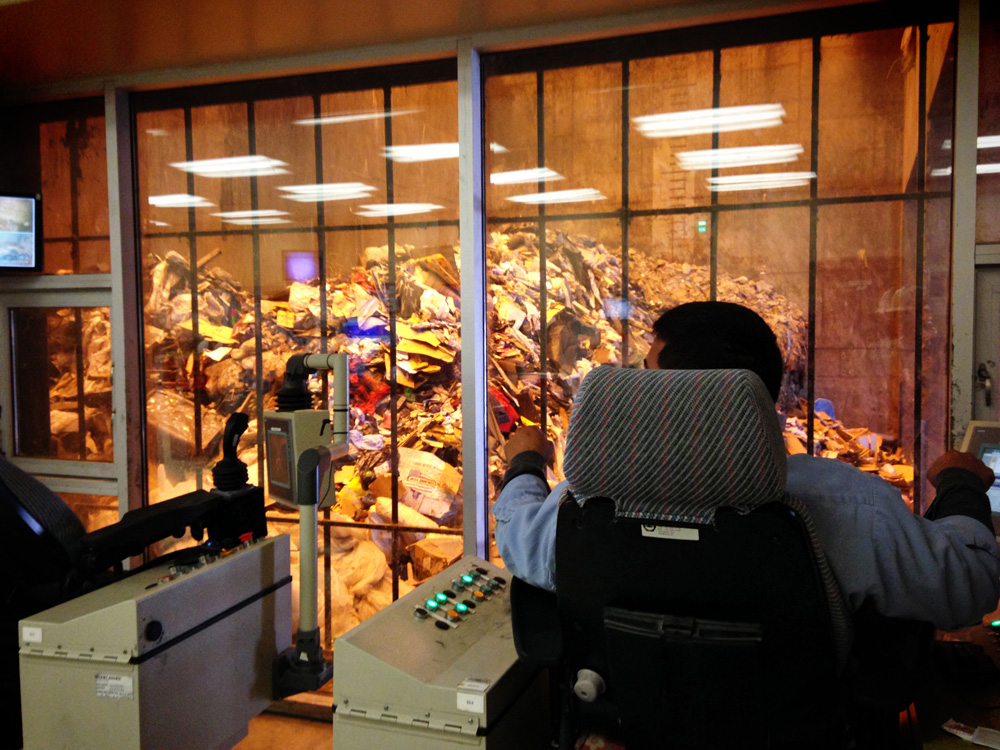
›HONOLULU – Sludge. The final, unwanted byproduct of a toilet flush. The semi-solid stuff that even wastewater treatment plants send packing to the landfill. Unseen in the steel pipes snaking high on the exterior of Honolulu’s H-POWER plant, sludge is injected into a massive boiler where it joins the city’s trash in a roaring inferno. From the gravel lot outside, it all seems very antiseptic and smells less than a stroll past the neighborhood dumpster. But the 70-megawatt waste-to-energy facility is a workhorse, processing as much as 2,000 tons of refuse each day from Oahu’s 1 million residents. All told, it generates up to 10 percent of the electricity needed to power this Pacific island.
-
Historic Drought Prompts Water Innovation in California – Can It Be a Model?
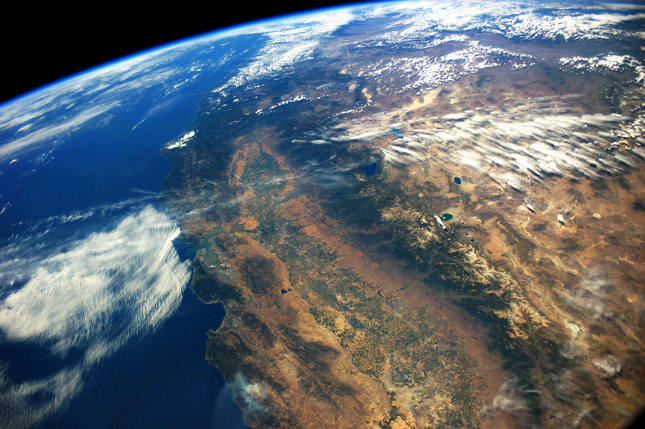
›Pray for rain. Mega-drought. Winter salmon run nearly extinguished. Sierra snowpack dismal. These were just some of the headlines in California newspapers over the last five years during a historic drought that elevated water security to the top of everyone’s minds.
-
In City Under Stress, Chennai’s Water Bottlers Build a Thriving Business
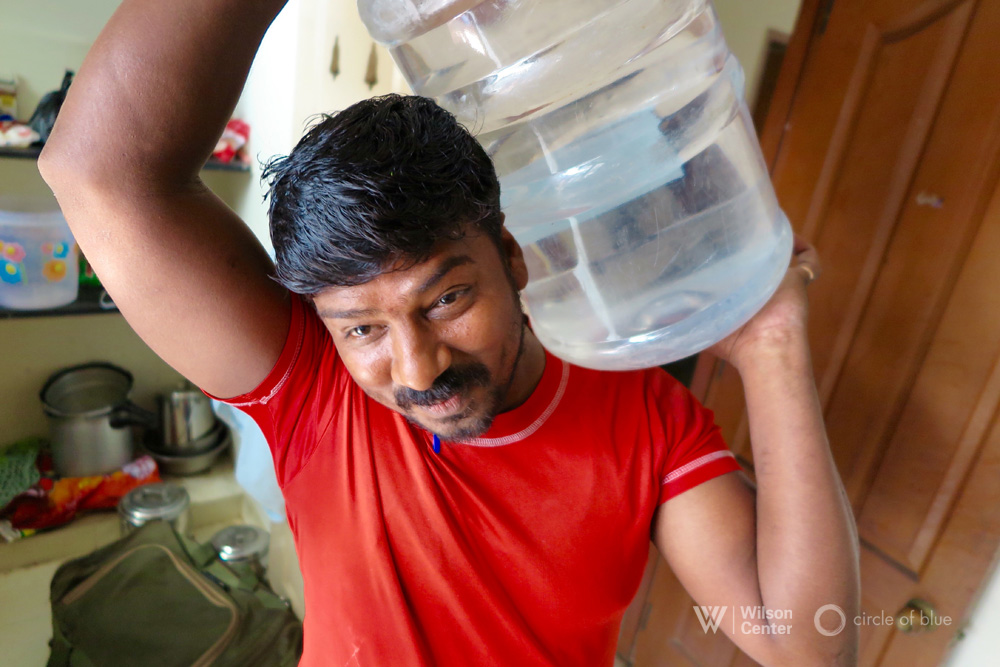
›CHENNAI, India – T. Rajan tried all manner of entrepreneurial enterprises. He sold scrap paper and cardboard to recyclers. He built a street corner chai and cigarette cart, and repaired truck and bus tires. He started an office cleaning service for high-tech companies in the growing IT sector south of the city center. None of these delivered the financial returns and workday flexibility of selling clear, sky blue, 20-liter water “cans” in Chennai’s immense bottled water industry.
-
Facing Floods, Social Entrepreneurs Push Chennai to Consider New Growth Strategy
›Before the 2015 floods that drowned Chennai, Pradeep John spent several years posting thorough and dutifully accurate updates and alerts on Twitter and Facebook as the Tamil Nadu Weatherman. An amateur meteorologist who developed considerable expertise in weather data and satellite imagery, John’s online followers relied on his crisp forecasts and advice.
-
A Torrent of Water and Concrete Imperil Chennai’s IT Boom
›CHENNAI, India – Almost a decade ago, when the first of Chennai’s bleach-white IT office buildings replaced coconut groves along the Bay of Bengal south of the city center, leaders hailed the potential for a new wave of clean jobs. Nine years later, it is clear that planners did not fully anticipate the consequences.
-
A Chronic Crisis, Now Acute: WWF’s Recommendations for the First U.S. Global Water Strategy
›The intelligence community’s landmark Global Water Security assessment in 2012, warned of major water-driven challenges to U.S. national security. The combined assessment of several intelligence agencies foresaw many challenges to U.S. policy objectives and national security arising from protracted drought, declining water quality, and more natural disasters in countries important to U.S. interests. The intelligence community further warned of rising social instability, cross-border tensions, and a steady drain of resources away from other development objectives. These warnings have proven prescient.
Showing posts from category sanitation.