-
Looking Back to Get Ahead: FEMA’s Strategic Foresight Initiative on Natural Disaster Preparedness
›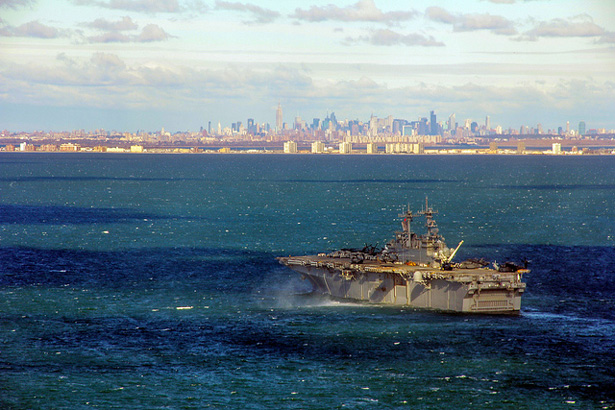
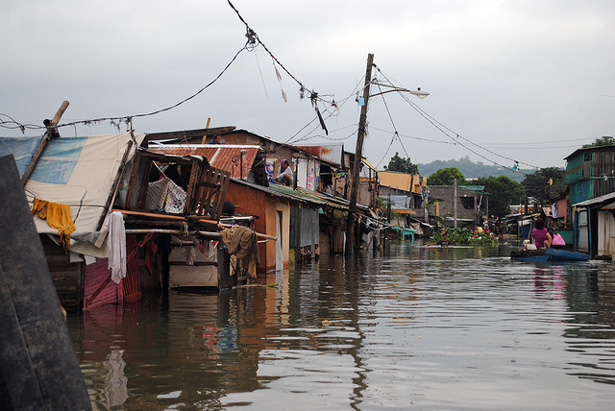
Natural disasters have dominated news coverage in the past several years, with many observers noting a distressing rise in the frequency and scale of disasters as well as rising costs. Despite these worrying trends, a critical mass of leadership and public support for doing something about it is emerging.
-
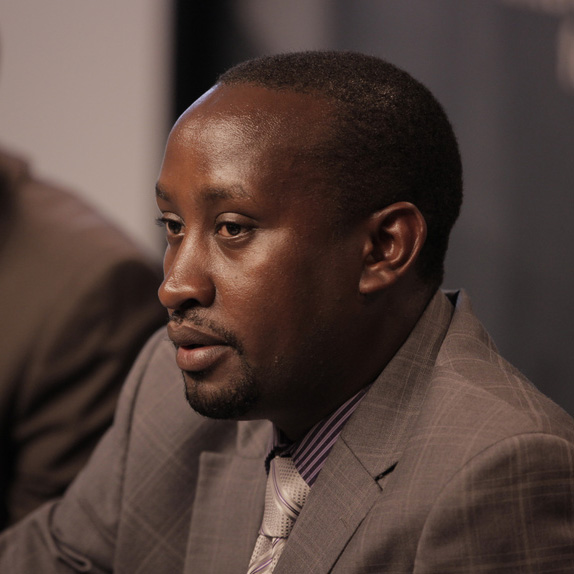
Clive Mutunga: Addressing Population Growth Can Build Resilience to Climate Change in Kenya and Malawi
›
“We know that a number of these countries in Africa have the least to do with climate change in terms of emissions, but they are the most vulnerable, and they are the ones with the least capacity to deal with the effects of climate change,” says Clive Mutunga in this week’s podcast. Mutunga, a senior associate at Population Action International, discusses the results of a study PAI conducted looking at the entwined and related impacts of climate change and population growth, as well as other factors like water scarcity, on Kenya and Malawi.
-
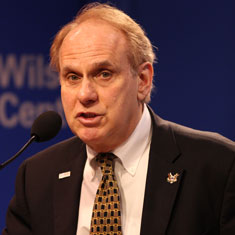
Steven Gale on Futures Analysis at USAID
›There’s renewed interest in looking at future trends at USAID, said Steven Gale, a senior advisor at the agency. But “we’re always asking ourselves, ‘what is the development goal that [USAID] wants to achieve, and how is this megatrend going to increase or decrease the actual probability’” of that goal will be met?
In this week’s podcast, Gale describes the role of futures analysis at USAID, including the history of past efforts and similarities to other forward-looking projects, like the National Intelligence Council’s quadrennial Global Trends reports.
-
Bouncing Back: How Do Population Dynamics and Social Cohesion Affect the Resilience of Societies?
›“The scale and the impact of disasters today can be greater than anything we’ve previously experienced,” said Laurie Mazur at the Wilson Center on March 18. “The proliferation of disasters has gotten a lot of people talking about resilience, about how we can lessen our risk and how we can recover more quickly from disasters of all kinds.” [Video Below]
-
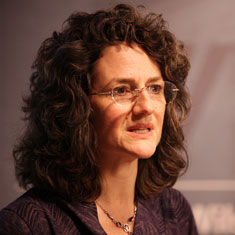
Laurie Mazur: Build on Natural Tendencies to Strengthen Social Resilience
›
“The proliferation of disasters has gotten a lot of people talking about resilience, about how we can lessen our risk, and how we can recover more quickly from disasters of all kinds,” says Laurie Mazur in this week’s podcast.
Mazur describes the qualities of communities that can weather adversity, including social cohesion and the ability to make decisions for themselves. Above all, she reiterates that “humans are nothing if not resilient,” and the governance structures and disaster mitigation schemes we employ should capitalize on that native resilience, rather than infringe upon it.
-
On Building a Better (and More Resilient) World: Complexity, Community, and the Precautionary Principle
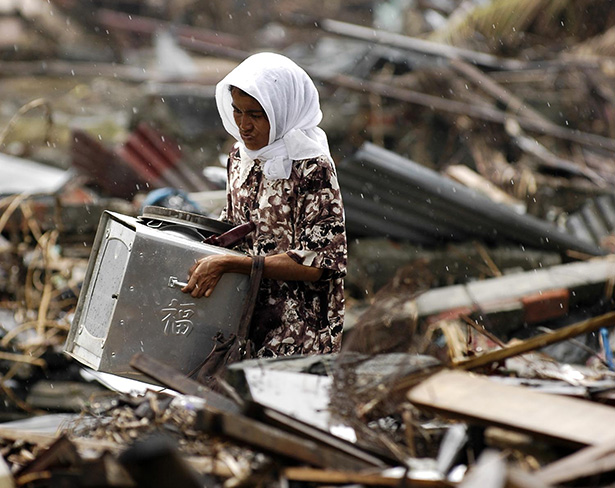
›April 3, 2013 // By Laurie MazurFrom the 2004 Indian Ocean tsunami to Superstorm Sandy, the last decade has seen an incredible array of natural disasters. Of course, disasters of all kinds are nothing new, but, thanks to the growing scale and interconnectedness of the human enterprise – and the damage we have done to the natural world – the frequency, scale, and consequences of today’s calamities are truly without precedent.
-
Family Planning an Important Component of Resilience to Climate Change, Says Roger-Mark De Souza
›
“We believe that if you want to respond to critical development issues like climate change, that you need to address the social dimensions of resilience,” says Roger-Mark De Souza of Population Action International (PAI) in this week’s podcast.
“If you want to address climate change and you only look at mitigation, you are missing some of the important components,” he said. PAI, which advocates for better access to family planning in developing countries, starts from the standpoint that allowing couples to decide how many children they have leads to “investments in education and technology, providing opportunities for additional economic growth, enhanced development, and ultimately helping to build resilience and adaptive capacity.”.
-
After Cyclone Haruna, Blue Ventures Leverages Its PHE Program for Disaster Response in Madagascar
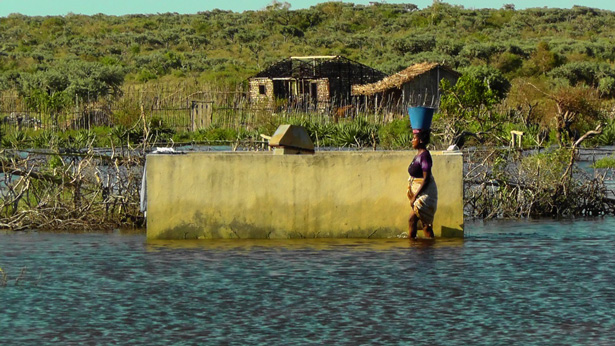
›Balbine is moving through her coastal village of Andavadoaka with a sense of urgency. Normally she works as a community-based distributor for Blue Ventures’ integrated population, health, and environment (PHE) program in southwest Madagascar, providing health information and products to her community. However, since Cyclone Haruna swept through the region several weeks ago, Balbine has been especially busy distributing diarrhea treatment kits to mothers caring for sick infants, providing families sleeping out in the open with mosquito nets to protect against malaria, setting up water filtering stations, and emphasizing the importance good hygiene practices.
Showing posts from category risk and resilience.