-
The Story Behind Climate Security and What it Means for US Foreign Policy
›
Hurricanes Helene and Milton battered the southeastern US in September and October and caused a combined estimate of $300 billion in damages. These storms were only the latest example of a cascade of disasters that is expected to worsen as climate change intensifies. Yet the impacts do not stop at dollars and human lives. Threats to security and stability also will multiply as rising temperatures increase the variability of rainfall patterns and the intensity of storms.
-
Finding a Place for “The Planetary?”
›
One of academia’s latest buzz phrases is “the planetary.” While it may seem on the surface to lack a clear connection with climate security, a closer inspection suggests that this term does have significant relevance to discussions about this key concept.
Use of “the planetary” is an attempt to compel people to think much more carefully about the current human condition. The climate crisis—as well as the extinction event we are living through—are challenging contemporary notions that humans are somehow separate from nature. In short, a relatively stable world in which our infrastructure, economies, and modes of thinking remain rooted is no longer a useful construct.
-
The Arc | Climate Justice in the Arctic: Part 3
›In today’s episode of The Arc, ECSP’s Claire Doyle and Angus Soderberg interview Eva Maria Fjellheim, a southern Saami researcher at the Arctic University of Norway, for the final episode of our mini-series focused on climate justice in the Arctic. We explore Eva Maria’s research on strengthening Indigenous peoples’ land rights in the face of growing climate and clean energy projects. She shares insights from legal battles in Norway and connects the encroachment on Saami land to similar trends with Indigenous communities in Latin America and elsewhere. Eva Maria also discusses how current climate policies may be missing the mark by failing to truly respect Indigenous rights. Select quotes from the interview are featured below: -
Deep Seabed Mining: Will It Rise to The Surface—and Where?
›Norway recently announced that electric vehicles (EV) now outnumber gas-powered ones on its highways for the first time—and that these vehicles comprise 80 percent of its current new car sales. While internal combustion engines (ICE) will not disappear for several years, Norway’s sales of ICE-powered vehicles will end abruptly in 2025.
-
The COP16 Opportunity: Bringing Biodiversity and Climate into Alignment?
›At first glance, the growing alignment of climate and biodiversity challenges in global politics may seem harmless. Indeed, there is a strong argument that it is a much-needed and long overdue development, since addressing these inextricably-connected challenges together may ensure that gains in one area do not lead to costs in the other.
-
Long Term Climate Resilience: A Pathway to Stabilize Somalia
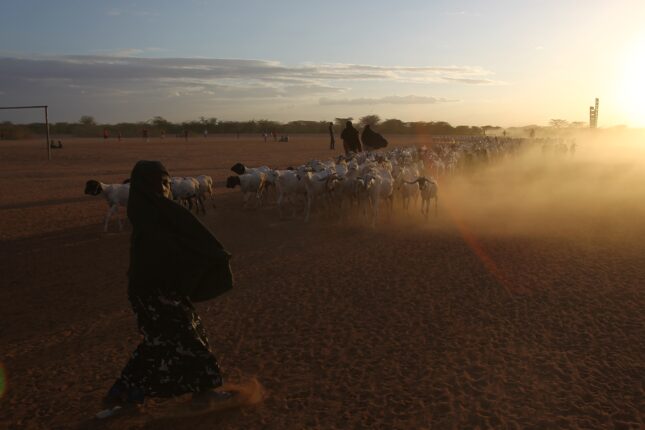
›Somalia is trapped in a cycle where climate impacts—droughts, floods, and erratic weather patterns—fuel displacement, poverty, and conflict. With agriculture and pastoralism at the core of its economy, the country is particularly vulnerable to these environmental shocks, which create fertile ground for insurgent groups to exploit the resulting instability.
-
ECSP Weekly Watch | September 23 – 27
›A window into what we’re reading at the Wilson Center’s Environmental Change and Security Program
Member States Adopt Pact of the Future (United Nations)
The United Nations hosted the Summit of the Future earlier this week, which led to a new agreement between member states which acknowledged the shortcomings of the UN’s current role and abilities. The Pact of the Future encourages member states to reaffirm, reestablish, and renew global cooperation—and create new solutions to address today’s escalating polycrises.
-
ECSP Weekly Watch | September 16 – 20
›A window into what we’re reading at the Wilson Center’s Environmental Change and Security Program
COP29-Host Azerbaijan Accused of Hypocrisy (The Guardian)
Azerbaijan holds the presidency for the upcoming COP29 in November 2024, and it is using that platform to call for all member states to cease any ongoing conflict they are involved in during the two-week conference. The Central Asian country will also host a “peace day” on November 15, and is putting forth a COP29 Climate and Peace Initiative to support vulnerable countries and advance action in the climate and peace nexus.
Showing posts from category risk and resilience.
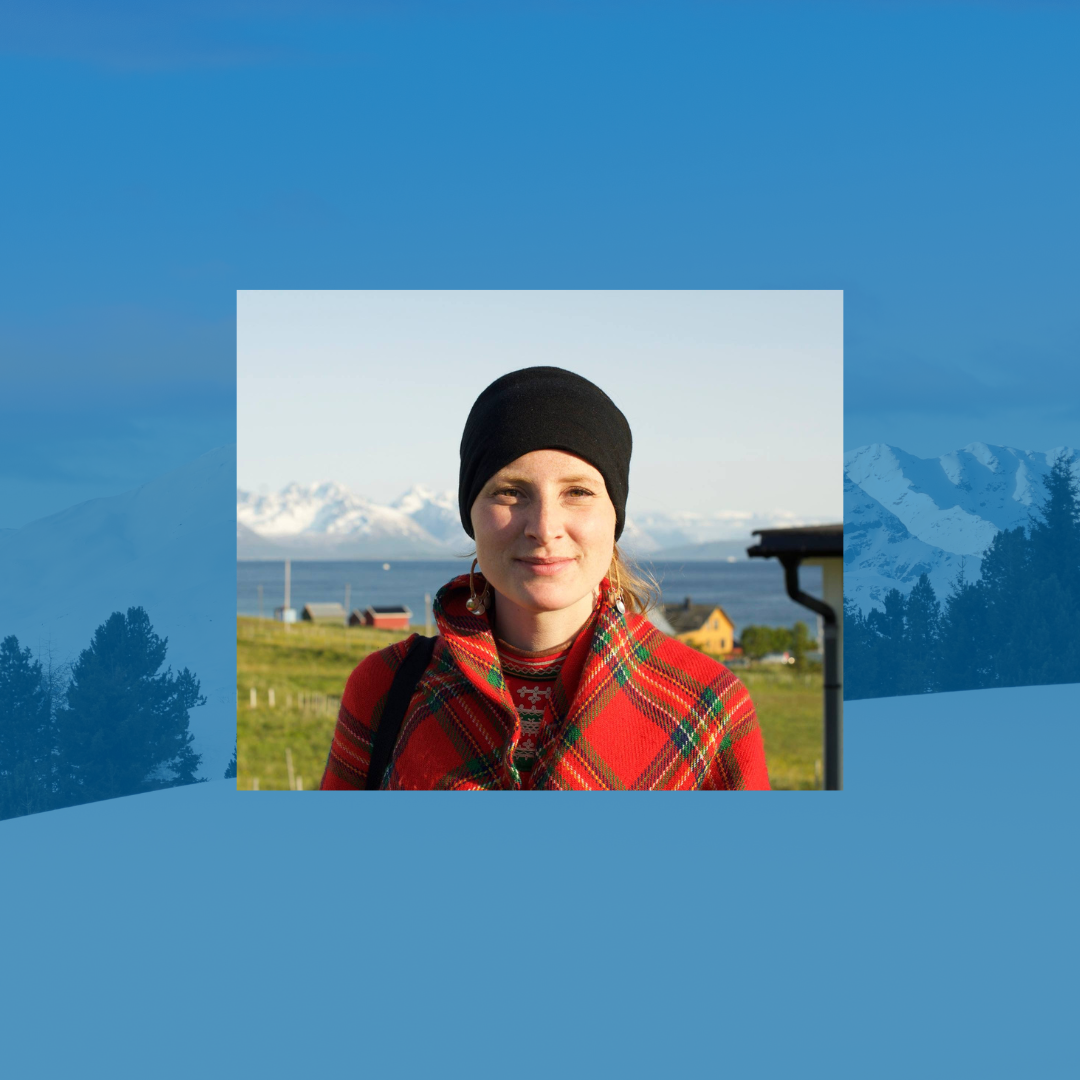 In today’s episode of The Arc, ECSP’s Claire Doyle and Angus Soderberg interview Eva Maria Fjellheim, a southern Saami researcher at the Arctic University of Norway, for the final episode of our mini-series focused on climate justice in the Arctic. We explore Eva Maria’s research on strengthening Indigenous peoples’ land rights in the face of growing climate and clean energy projects. She shares insights from legal battles in Norway and connects the encroachment on Saami land to similar trends with Indigenous communities in Latin America and elsewhere. Eva Maria also discusses how current climate policies may be missing the mark by failing to truly respect Indigenous rights. Select quotes from the interview are featured below: