-
Alice Thomas: Climate Change Effects and Responses Profoundly Undermine Human Rights
›
After Typhoon Haiyan ripped across the Philippines in 2014 leveling nearly every building in sight, 4 million people – mostly poor and from coastal regions – were displaced. In response, the government set up “no build” zones in vulnerable areas and worked to move people to new land. But many of the newly relocated people discovered this land came with no access to water, electricity, or other services.
-
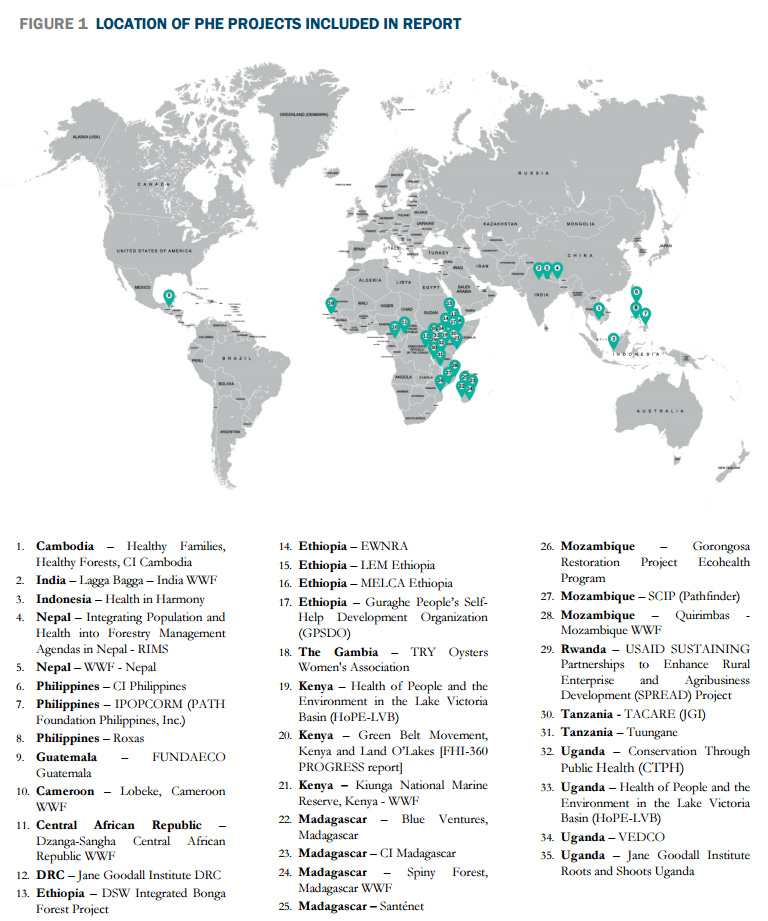
Do Population, Health, and Environment Projects Work? A Review of the Evidence
›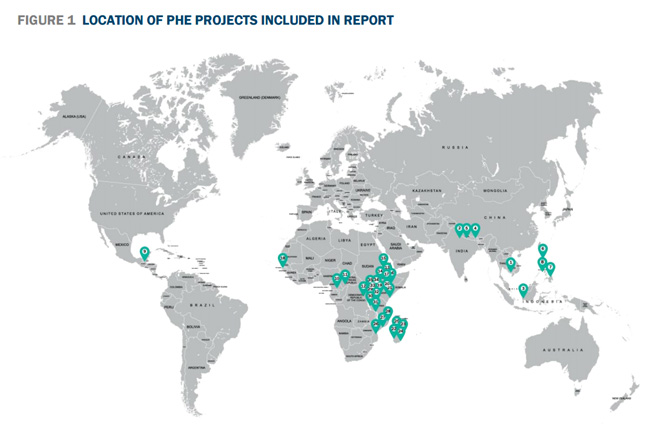
Frequent readers of New Security Beat are no strangers to the PHE approach to development – projects, often community-based, that integrate population, health, and environmental programming in a single intervention. Practitioners suggest that such integrated programming is more effective and efficient than running simultaneous siloed projects, each focusing on a narrower objective. But does the evidence support this conclusion? How effective is the PHE approach?
-
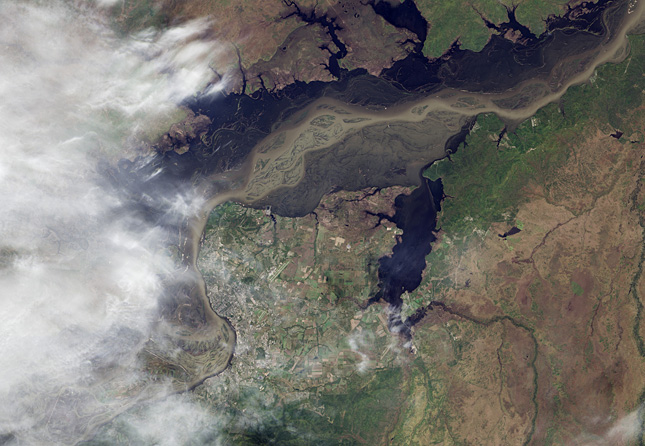
Adaptation, Resistance, or Subversion: How Will Water Politics Be Affected by Climate Change?
›One of the primary ways climate change is expected to affect international relations is through water. There are more than 270 bodies of water that cross over international boundaries, and various methodologies have identified several dozen that are particularly at risk for tension or conflict. So how is climate change affecting transboundary water politics? Are governments and institutions taking the threat seriously? A few years back, a group of researchers decided to focus on this question.
-
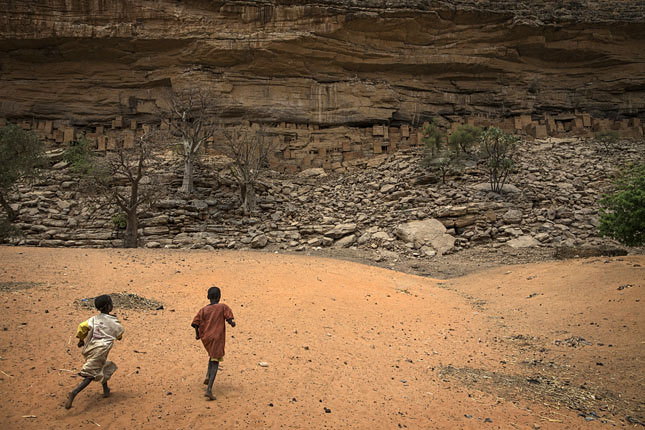
The Sahel Beyond the Headlines: Underlying Demographic, Environmental Trends Erode Resilience
›Between the Sahara to the north and savanna to the south lies the semi-arid Sahel, a region stretching from Senegal to Sudan that has experienced desperate poverty, climate change, malnutrition, and violence. While every context is different, the Sahelian countries share some common challenges, including a pattern of recurring crises and fluid borders. Boko Haram’s reign of terror in northern Nigeria and Mali’s coup have both had cross-border components. [Video Below]
-
USAID’s Sylvia Cabus on the Sahel: “We Help Farmers…and Their Husbands”
›In the Sahel, one of the most food-stressed regions of the world, “women bear the brunt in terms of coping mechanisms that are employed at the community level,” says Sylvia Cabus, gender advisor for USAID’s Bureau for Food Security, in this week’s podcast.
-
Banning Garrett: Getting Urbanization Right Can “Solve a Lot of Big Problems”
›The world is changing quickly thanks to a convergence of megatrends, says Singularity University’s Banning Garrett in this week’s podcast, but urbanization could be the most critical. “If we get it right in cities, we can solve a lot of big problems,” he says.
-
3 Facets to Relief and Recovery After Nepal’s Earthquake
›Nepal’s devastating earthquake last Saturday was both tragic and expected. On September 18, 2011, as colleagues and I were driving through Kathmandu, our car started to shake, buildings began to sway, store fronts cracked, hundreds of people jumped out of windows and streamed into already crowded streets. It was the so-called Sikkim earthquake. There were only a few fatalities and injuries – it was a very minor event compared to last weekend’s disaster. But it validated the rationale for our visit: to help launch a disaster relief dialogue involving U.S. government experts, Nepalese security forces, and their country’s emergency responders.
-
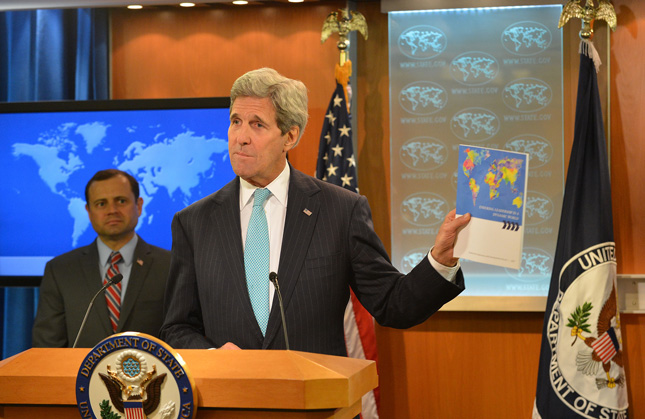
In Kerry’s Quadrennial Diplomacy and Development Review, Climate and Conflict Are Focus
›April 29, 2015 // By Schuyler NullIt’s a bit late, but the second-ever Quadrennial Diplomacy and Development Review (QDDR) is finally here. And it’s a good thing – it’d be a shame if this effort to present a coherent strategic narrative of U.S. diplomacy and development, which was started by Secretary of State Clinton in 2010, petered out.
Showing posts from category risk and resilience.