-
In Sustainable Development and Conflict Resolution, Women Seeing Larger Roles
›
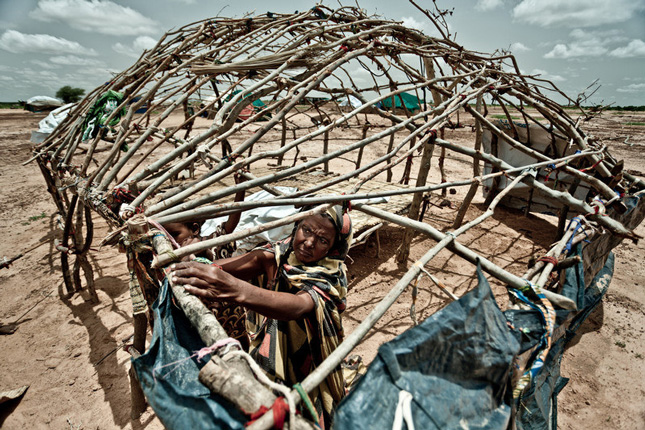
It used to be a luxury to talk about the environment when you were addressing conflict. Today, “we recognize it’s not a luxury anymore,” said Liz Hume, senior director for programs at the Alliance for Peacebuilding, at the Wilson Center on April 29. Similarly, gender dynamics are now being recognized as playing a critical role in sustainable development and peacebuilding. [Video Below]
-
2015 Migration Factsheet, and the Effects of Policy on Climate-Migration Trends in South America
›Climate change is expected to affect rural to urban migration and
 Omar O. Chisari and Sebastian Miller, in a recently released working paper by the Inter-American Development Bank, analyze the various policy options available in two cases: domestic migration to São Paulo, and international migration from Bolivia and Paraguay to Argentina. Migration into cities will impact climate change mitigation strategies.
 -
Four Cattle and a Farm: On Finding More Inclusive Solutions to Climate Change
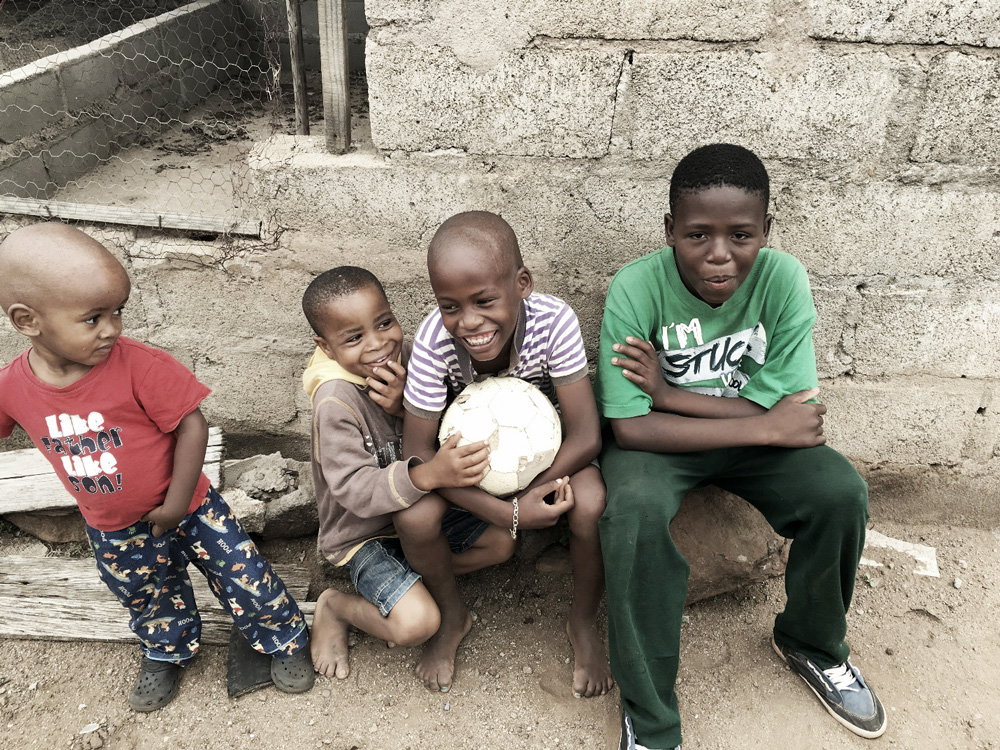
›As early as 1911, coal miners in Britain carried caged canaries into mining pits. Any sign of distress from the small birds, which are incredibly sensitive to the presence of harmful gases such as carbon monoxide, meant immediate evacuation. Today’s canaries in the coal mine are low-income, minority communities whose exposure to environmental risks in the United States and elsewhere puts them at the frontlines of the global climate crisis.
-
Singapore and the Climate Dilemma: There’s No Way to Go it Alone
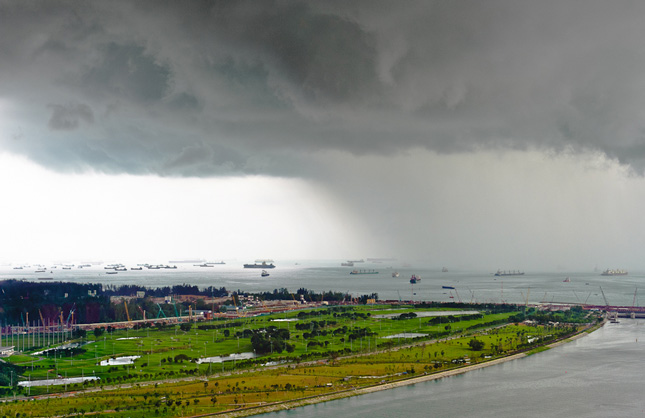
›Anyone visiting Singapore, as I did recently, quickly realizes it is exceptional. A tiny, rich, stable city-state of nearly 6 million people perched uneasily in a region of sprawling mega-countries full of poverty and instability, it also a thriving free market trading and financial center that is meticulously planned and where 80 percent of people live in public housing.
-
Hunger in Shangri-La: Causes and Consequences of Food Insecurity in the World’s Mountains
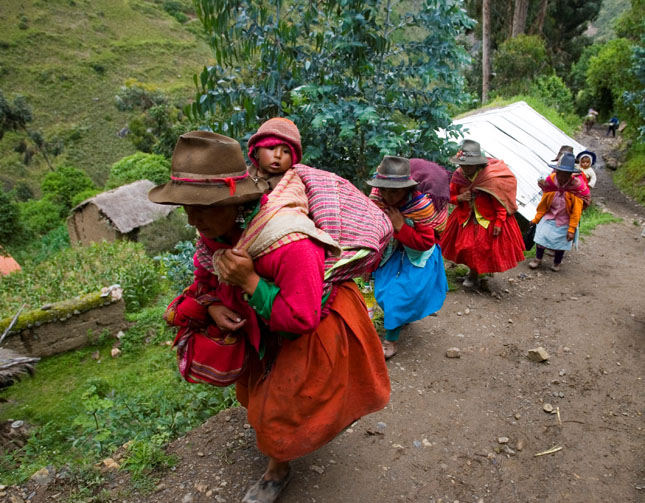
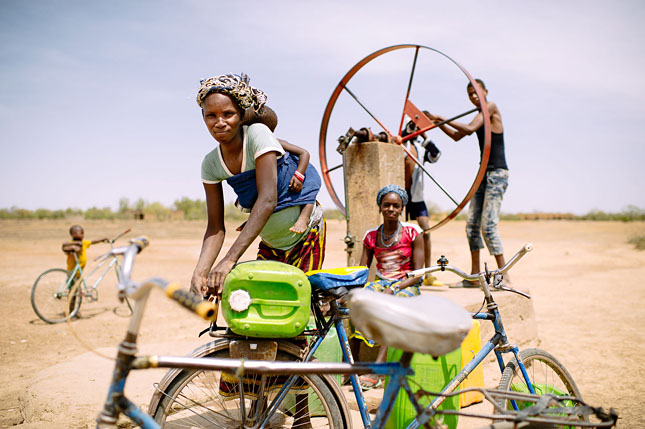
›Over the past decade, the number of undernourished people around the world has declined by around 167 million, to just under 800 million people. However, this positive trend glosses over a stark reality: Food insecurity is increasing in the world’s mountains. This pattern has been under-recognized by development experts and governments, a dangerous oversight with far-reaching social and environmental repercussions.
-
Peace After Paris: Addressing Climate, Conflict, and Development
›2015 was a historic year for international commitments to sustainable development, climate change action, and new kinds of peacebuilding. For governments and policymakers, now comes the difficult task of living up to those commitments. [Video Below]
-
Paris Was a Success, But the Climate-Security Response Is Lagging, Says Nick Mabey
›
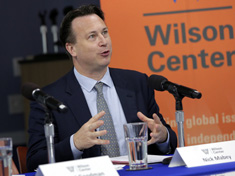
In the months leading up to the United Nations conference on climate change in Paris last fall, expectations were high. And the result actually exceeded those expectations in many respects, says Nick Mabey, director and chief executive at the environment consultancy E3G, in this week’s podcast.
-
Corruption, Climate Change, and Vulnerability in Small-Island States
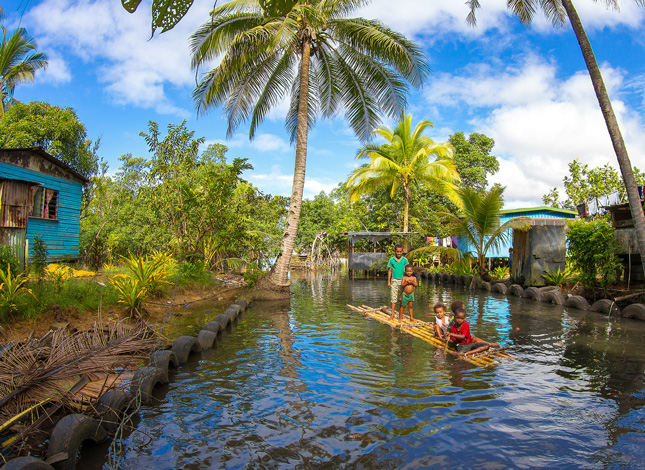
›As international funding to support environmental management and development increases, the danger of associated corruption grows and requires greater attention. Small-island developing states (SIDS), greatly exposed to the damage caused by climate change, are particularly vulnerable. These small, trailblazing countries in the Pacific, Caribbean, and Indian Ocean are making progress in addressing climate threats, but will need international support and local commitment regarding rule of law and corruption in the climate sector as they try to prevent the worst effects of climate change and find a sustainable way to develop.
Showing posts from category risk and resilience.