-
Left Out and Behind: Fully Incorporating Gender Into the Climate Discourse
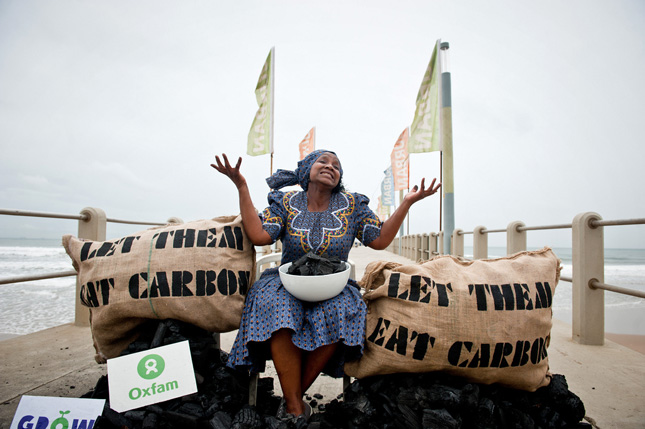
›August 22, 2016 // By Cara ThuringerMore often than not in the discourse around gender and climate change, the word “gender” is used primarily to refer to women. There is no disputing that women are acutely vulnerable to the effects of climate change in ways that are different than men and sometimes hidden. However, this interchangeable use of words neglects other dimensions of gender, sexual orientation, and sexual identity. As a result, we are missing important ways gender impacts people’s experiences with climate change.
-
Mobile Phone Data Helps Identify Displaced People Faster, Cheaper, More Accurately
›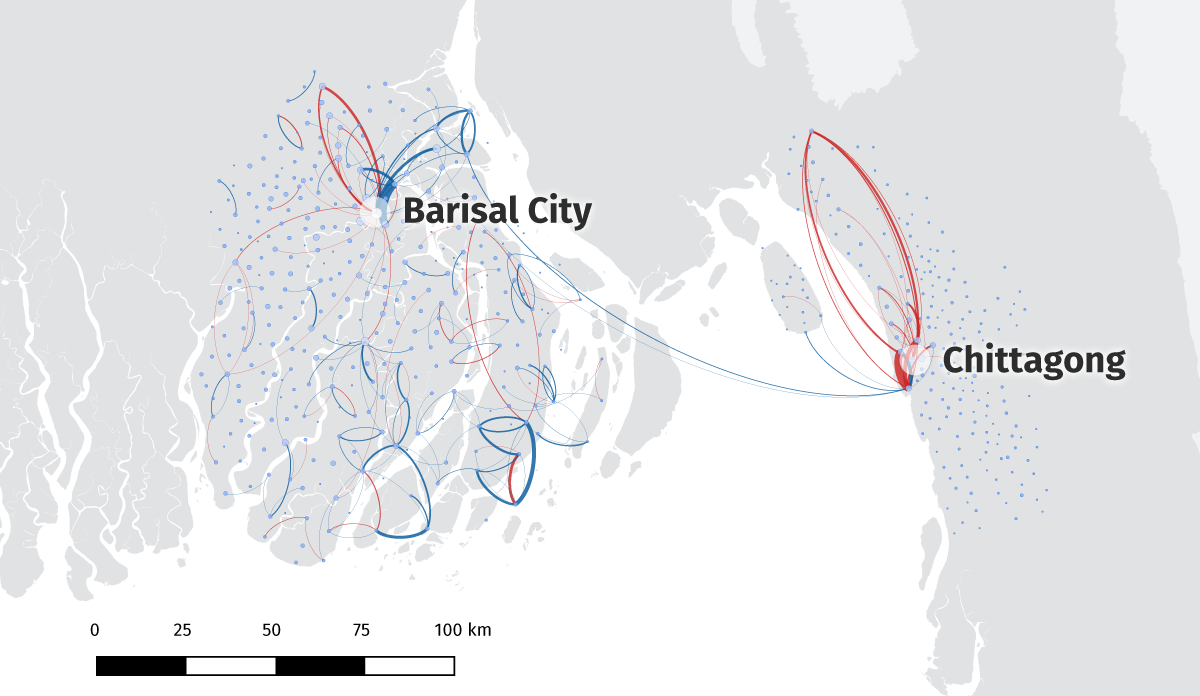
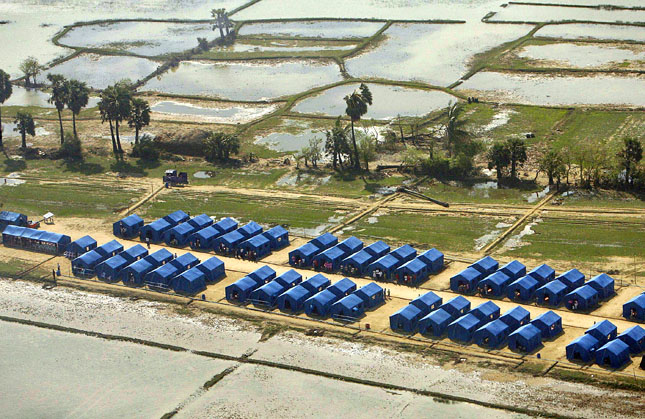
If we are to avert the worst of climate change impacts, we need better tools for identifying patterns of displacement and migration around climate extremes. In vulnerable developing countries, increasingly frequent and intense storms will likely exacerbate current patterns of displacement and permanent migration. Displacement often leads to humanitarian crises in the short term and can derail progress toward development in the long term. Because of this dangerous potential, displaced persons and migrants are a common focus in humanitarian responses. However disaster responders must often “fly blind” without the benefit of current, accurate information about the worst-affected populations. To better respond to the impacts of climate change as they unfold, we will need more rapid, cost-effective, and accurate methods for identifying patterns of displacement and migration.
-
Africa’s Regional Powers Are Key to Climate Negotiations – But Will They Cooperate?
›
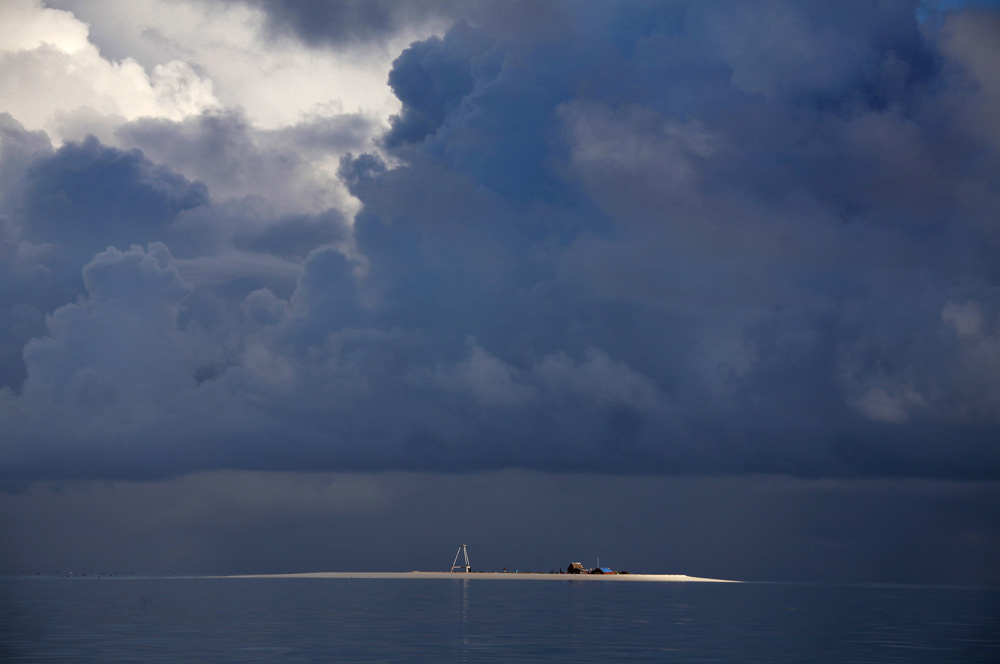
Most African states are more vulnerable and less prepared to address climate change challenges than the rest of the world. This observation is supported by a wide variety of sources, including the Climate Vulnerability Index and the Notre Dame Global Adaptation Index. And in fact Africans and their political leaders frequently observe that this crisis, manufactured in the developed world, disproportionately affects their continent. During a meeting of the African Union in 2007, Ugandan President Yoweri Museveni called climate change “an act of aggression” by the rich against the poor.
-
Justice and Contemporary Climate Relocation: An Addendum to Words of Caution on “Climate Refugees”
›The idea that climate change is causing migration and displacement is entering the mainstream, but experts have warned against using the term “climate refugees” to describe what we’re seeing in small islands, coastal regions, and even conflict zones like Syria.
-
Governance in Focus: Insights from the International Expert Forum on Climate Change and Conflict
›The International Expert Forum (IEF) is a series of seminars meant to facilitate dialogue between experts and policymakers on peace and security. Meeting in Stockholm this past May, the forum explored the connections between environmental issues, peacebuilding, and conflict while considering how environmental governance can aid in peacebuilding. The summary brief produced after the forum provides a useful snapshot of a fast-changing field of study.
-
Human Rights and the Environment: How Do We Do Better?
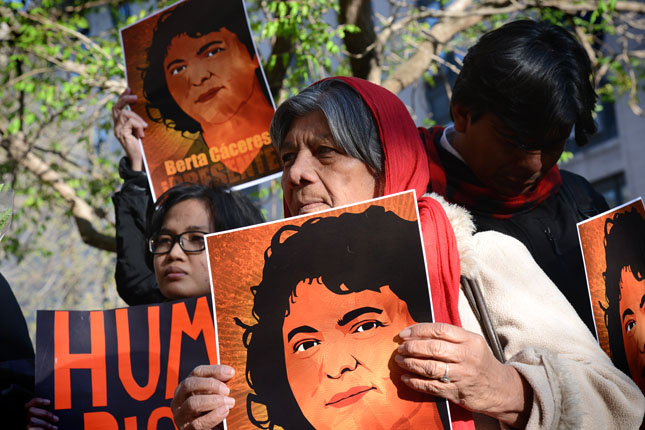
›2015 was a deadly year for environmental activism. According to Global Witness, 185 activists were killed, a 60 percent increase from 2014. Of the victims, 40 percent were indigenous people, like Berta Cáceres, who spoke at the Wilson Center last year and was shot and killed in her home in Honduras this March. [Video Below]
-
HoPE for Sustainable Development: Results From an Integrated Approach in East Africa
›The Sustainable Development Goals (SDGs) are an ambitious framework for reducing poverty and improving the lives of billions of people. They were agreed to last year by governments at the United Nations and cover developing and developed countries alike. But how will governments, NGOs, and other organizations go about actually accomplishing them over the next 15 years? [Video Below]
-
Finding Resilience in the Aftermath of Cyclone Roanu in Bangladesh
›In 1970, Cyclone Bhola slammed into East Pakistan – present day Bangladesh – with sustained winds of 150 miles per hour, killing as many as half a million people. In 2007, Cyclone Sidr killed 3,406 people in Bangladesh. This year, Cyclone Roanu killed just 30. What’s behind this huge decline in mortality? What has Bangladesh done differently?
Showing posts from category risk and resilience.